PM’s Youth Program
PESHAWAR
In a significant stride toward inclusive development and youth empowerment, the Prime Minister’s Youth Program has emerged as a transformative initiative, equipping Pakistan’s young citizens with the necessary tools, resources, and opportunities to realize their potential and contribute meaningfully to national progress.
Launched last year, the program targets youth aged 18 to 35 and aims to address key challenges such as unemployment, underemployment, and skill gaps.
It takes a comprehensive approach by integrating education, entrepreneurship, digital skills training, and civic engagement.
One of the cornerstone elements of the initiative is the provision of interest-free or low-interest loans to support startups and small businesses—an essential step to help creative and ambitious youth overcome financial barriers.
“This program gave me the push I needed,” says Sidra Khan, a 27-year-old educationist from Pabbi tehsil in Nowshera district.
A graduate of the University of Peshawar, Sidra used the funding to establish Alsufa Model School in the village of Khush Maqam, dedicated to her late mother-in-law.
The school, which currently educates over 300 students including 100 out-of-school children (OSC), aims to foster inclusive learning in a region with limited educational infrastructure.
“Teaching these children brings me inner happiness,” Sidra shared. “Before opening my school, I applied several times for teaching positions such as PST, CT, and lecturer roles, but couldn’t secure a job due to tough competition. The PM’s youth program turned my aspirations into reality.”
The PM’s Youth Program also partners with top-tier educational platforms to offer free digital and vocational training in fields such as IT, artificial intelligence, agriculture, and green technologies—sectors that are increasingly vital in the modern economy.
To ensure access in remote regions, mobile training units and community centers have been established to serve as hubs of innovation and learning.
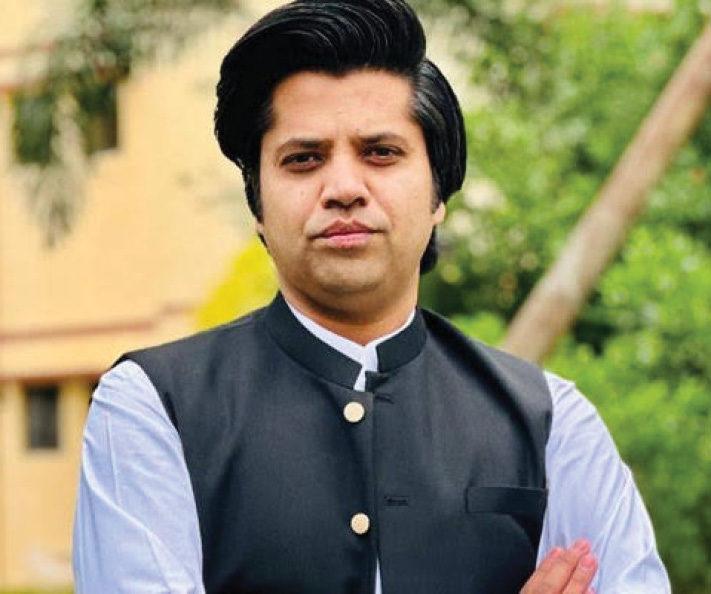
Prime Minister’s Coordinator for Information and KP Affairs, Ikhtiar Wali Khan, highlighted that the government launched an about Rs150 billion mega package under the Prime Minister’s Youth Development Initiatives.
This includes 15 sub-programs such as the Teleschool Pakistan App, Google for Education, and Digital Continuous Professional Development—all designed to revolutionize Pakistan’s formal education landscape.
Key components of the package include 60,000 paid internships across various sectors, technical and vocational training for 100,000 youth, distribution of 100,000 laptops, 5,000 scholarships for students from Balochistan and the former tribal districts, 1,000 PhD scholarships at the world’s top 100 universities, establishment of 21 new university campuses in remote districts, development of 250 sports complexes across the country.
Additionally, the program supports youth-led peace and development student councils in 80 universities, 75 leadership awards, 500 innovation grants worth Rs5–20 million each, and significant research and scholarship initiatives including 12 Seerat chairs and seven centers of excellence.
While the federal government’s initiatives have been praised for their scope and inclusivity, Ikhtiar Wali also pointed out the challenges posed by previous provincial policies in KP.
He criticized the Pakistan Tehreek-e-Insaf (PTI) government for opening several public sector universities in remote areas without proper planning, leading to financial and academic difficulties.
He said several universities suffer from insufficient resources and underdeveloped postgraduate programs, affecting higher education quality and research works.
The experts said that PM’s Youth Program is being hailed as a beacon of hope in KP. Its impact, already visible in provinces like Khyber Pakhtunkhwa, is fostering a culture of entrepreneurship, innovation, and inclusive education—positioning Pakistan’s youth as vital architects of the nation’s future.