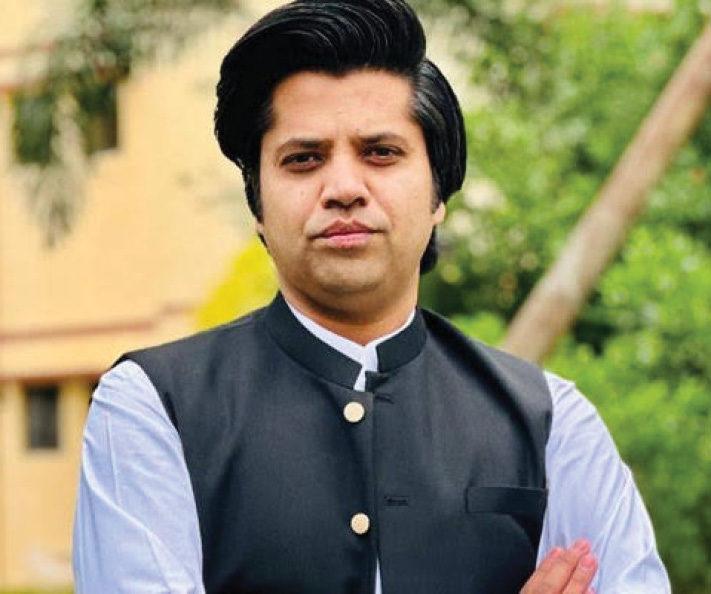
Mannan Samad
Developing nations continue to carry the heaviest costs of climate impacts triggered by the developed nations. The rich nations are mainly responsible for creating the climate crisis through industrialisation, urbanisation, transportation, and meat production. On the other hand, poor nations contribute very little to global greenhouse gas (GHG) emissions, but they are bearing the burden of climate disasters and experiencing the severe consequences of floods, droughts, wildfires, and heatwaves.
Brazil is poised to host the 30th annual Conference of the Parties (COP), which is to be organised in Belem, Brazil, from November 10 to 21, 2025. COP30 is going to be another climate conference wrapped in tall claims, hollow rhetoric, shallow pledges, and symbolic obligations. From COP28 in Dubai and COP29 in Azerbaijan, the world leaders failed to grasp the moment and achieve the determined environmental objectives due to the non-binding nature of commitments through Nationally Determined Contributions (NDCs).
Last year, at the COP29 summit in Baku, Azerbaijan, developed nations pledged to mobilise 300 billion dollars annually by 2035 for developing nations, but poor nations criticised the absence of a guaranteed mechanism to ensure delivery and sustain credibility, and most importantly, the set climate finance target was highly insufficient to meet the actual needs of the climate-hit nations.
Global climate platforms like COP mostly hinge on empty words, mere paper pledges, and voluntary commitments, and no satisfactory results have been achieved, which shows the world is drifting away from its environmental targets. Platforms like COP and treaties like the Paris Climate Agreement are becoming redundant, irrelevant, and toothless. There is a dire need to emphasise the significance of COP and the Paris Accord, reorient the international climate priorities, and revive the global climate agenda.
The primary purpose of the 2015 Paris Agreement is to limit the global temperature increase to 1.5 degrees Celsius above pre-industrial levels, and the agreement underscores a five-year work cycle through Nationally Determined Contributions (NDCs), but the national climate change obligations remain unfulfilled every year due to financial impediments. It is Herculean for the global south to achieve net-zero without financial and technical support from the global north.
The developing nations lack clean and sustainable technologies, energy-efficient infrastructure, electric transportation, adequate climate finance, and systematic capacity building for the adaptation and mitigation of climate impacts. Technology transfer and additional climate finance should be provided to the climate-affected countries. Without such global cooperation, industrialisation continues to aggravate the climate crisis.
Climate change is the primary challenge and existential threat to the world. The global leaders need to take this climate crisis seriously, but unfortunately, the world is entangled in a race of expanding military expenditures, thereby igniting geopolitical tensions and undermining global climate efforts. Global defence expenditures have reached a record of 2.7 trillion dollars in 2024, which is expected to rise to 6.6 trillion dollars by 2035 if the current trend of military race continues, which showcases the misplaced priorities of the world.
“The Polluter Pays” principle should be implemented because climate polluters bear the sole responsibility for the climate catastrophe. Sadly, climate hypocrisy has been prevalent across the world, where developed countries only preach instead of delivering satisfactory outcomes. Despite being the major polluter, the United States, under Donald Trump, withdrew from the Paris Climate Agreement for the second time, which demonstrates the unseriousness of the rich countries in terms of tackling the climate crisis.
There should be a robust accountability mechanism for developed nations for their leading role in fuelling the climate crisis. The inaction of main polluters such as the USA, Canada, and China and the injustice of the unbearable burden of paying for environmental degradation that the poor countries didn’t cause are two central factors of the ongoing crisis. The Paris Climate Agreement was aimed at redressing inaction and injustice, but no progress has been made so far in this regard.
COP30 should be dubbed as a unique and golden opportunity for the world leaders to make it a turning point for bridging the divide between the Global North and the Global South in terms of international climate cooperation. Unity, resilience, and fairness are key in terms of global climate efforts. Responsible countries should prioritise climate change over the military race and direct all energies towards climate-friendly initiatives in order to protect the planet for the forthcoming generations.
The writer is a freelance columnist based in Quetta.