Muhammad Asif Asi
Islamabad
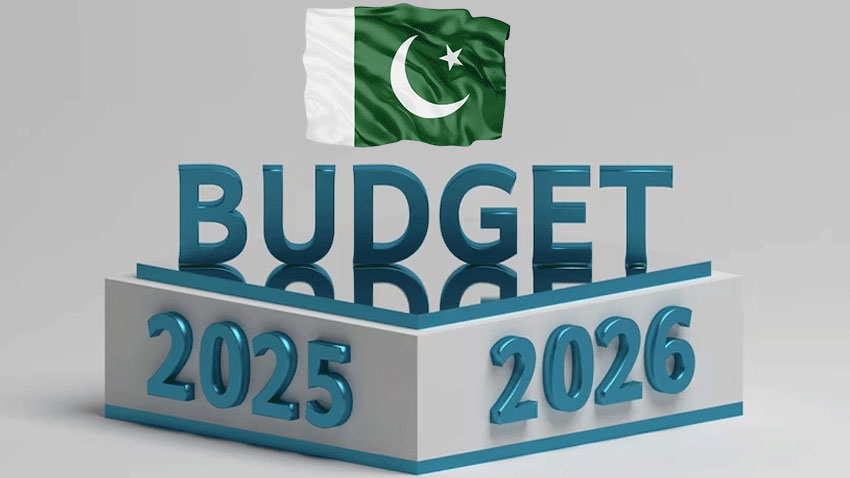
When the finance minister placed the hefty budget file for 2025-26 on the assembly desk, his face reflected confidence, and smiles spread across the treasury benches. Yet, behind those numbers, flowcharts, and fiscal jargon, the realities of Pakistan’s struggling middle class remained buried deep under piles of promises.
The annual budget is meant to be a mirror—reflecting a government’s priorities, its economic vision, and its sincerity toward the people. This year, that mirror seems foggy, showing only partial truths, calculated optimism, and uncomfortable silence where it matters most.
Lofty Claims, Stark Realities
The government has set the total budget outlay at an ambitious Rs. 18.9 trillion, with a tax revenue target of Rs. 12.97 trillion. On paper, it all sounds like progress—fiscal discipline, digital reforms, macroeconomic stability. But when viewed through the lens of street-level inflation, joblessness, and the average citizen’s purchasing power, the budget feels more like a PR campaign than a solution roadmap.
FBR Reforms – Cosmetic or Core?
Yes, the introduction of digital invoicing, faceless audits, AI-based scrutiny, and POS integration looks modern and reformist. But will system upgrades fix a mindset riddled with corruption, inefficiency, and political manipulation?
The target to raise the tax-to-GDP ratio to 14% seems logical. Yet, historical performance and institutional inertia suggest this may be another well-worded ambition, doomed to drown under the weight of poor execution.
Relief for the People? Maybe Next Year
One flips through 100+ pages of budget figures but finds little comfort for:
Salaried individuals facing pay stagnation amid skyrocketing living costs
Small businesses gasping for liquidity
Farmers drowning in rising input prices
Urban households crushed by inflated energy bills
The government did raise allocations for BISP and social protection, but it barely scratches the surface of public misery. For a nation battling double-digit inflation, this was the moment for bold relief. Instead, it offered cold calculations.
Energy Sector: Reforms Announced, Crisis Continues
The budget talks about renegotiating IPP agreements, reducing circular debt, and expanding energy infrastructure. But tell that to a citizen receiving electricity bills higher than their income. What good are macro-level reforms when the micro-level remains unlivable?
Power theft, transmission losses, and outdated infrastructure continue to drain public money. Without strict accountability and transparency, these reforms may stay stuck in presentation slides.
Privatization: Cure or Capitulation?
The revival of privatization plans—PIA, Steel Mills, GENCOs, DISCOs—is either a sign of economic realism or bureaucratic surrender. What’s missing is a social safety net for those who will lose jobs, and a roadmap for how these sell-offs will be managed without turning into another story of elite capture.
Do we fix state institutions, or just offload them like unwanted liabilities?
The Stepchildren of the Budget: Education, Health, Agriculture
The allocation for education is disappointingly low—again. Public schools remain underfunded, teachers demotivated, and students underserved.
Healthcare? Hospitals are overcrowded, under-equipped, and ignored.
Agriculture? Despite feeding the nation, our farmers get the least fiscal attention.
This budget seems tailor-made for megaprojects, metros, and highways—not for classrooms, dispensaries, or wheat fields.
A Few Positives Worth Noting
Let’s be fair. There are some good ideas buried beneath the numbers:
The focus on digitizing the tax system is overdue and welcome.
Anti-fraud systems in refunds and customs show seriousness.
BISP expansion could uplift vulnerable households—if managed transparently.
The drive to improve debt management and avoid reckless borrowing is a strategic necessity.
If executed with sincerity, these initiatives can sow the seeds of long-term stability.
The Unanswered Questions
Where is the immediate relief for the struggling poor?
How does this budget address the informal sector and real job creation?
Can we afford this level of borrowing without losing economic sovereignty?
Will this budget help build trust between citizens and the state?
Final Thoughts
A budget is not just an economic document—it is a moral one. It tells a story: of who we are, what we value, and where we intend to go.
This budget tells two tales:
One for the investors, donors, and lenders—full of graphs and good intentions.
And another for the people—full of silence, stress, and status quo.
If this budget is to be remembered as a turning point, it must walk beyond presentations and PowerPoints. It must meet the people in their neighborhoods, homes, and wallets.
Otherwise, it’s just another financial fiction in the library of broken promises.