PESHAWAER
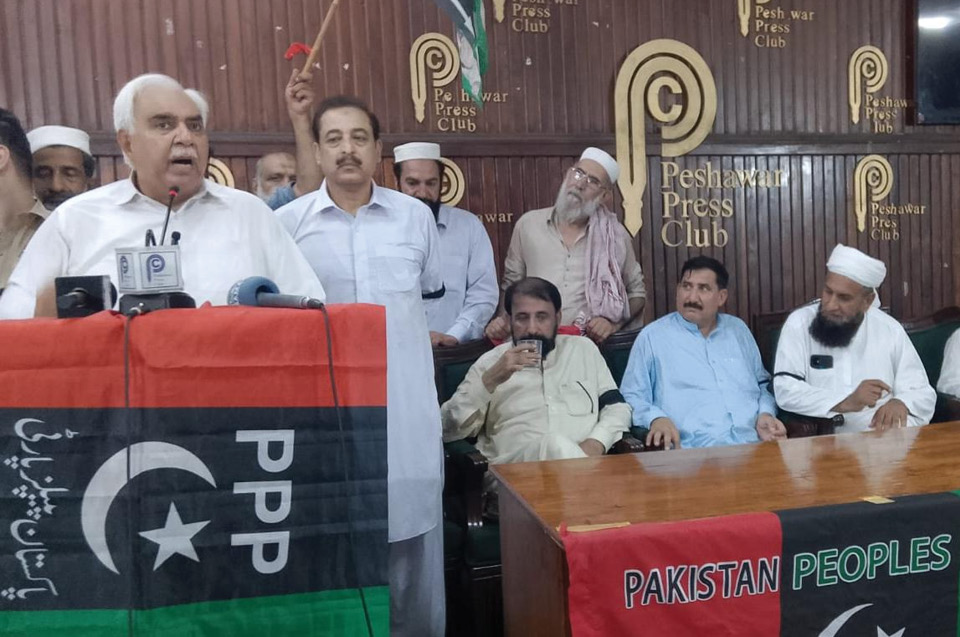
Blue Veins a local civil society organization, in partnership with the Provincial Alliance for Sustainable Tobacco Control in Khyber Pakhtunkhwa (KP), on Wednesday called for comprehensive policy and legislative reforms to address the pressing issue of tobacco control in the province.
These proposed reforms aim to regulate new nicotine and tobacco products, including Smokeless Tobacco Products (SLTs), and strengthen the existing legislation to reduce the prevalence of smoking and its associated health risks in Khyber Pakhtunkhwa.
Tobacco use remains a critical public health challenge, with devastating consequences for individuals and communities across the province. Legislation governing tobacco products plays a pivotal role in curbing tobacco-related harm, raising awareness of the dangers of smoking and second-hand smoke, and ultimately saving lives.
Qamar Naseem, Program Manager at Blue Veins, emphasized the urgency of policy reform, stating, “Tobacco consumption in Khyber Pakhtunkhwa is a growing concern, particularly among youth. Immediate policy and legislative reform is essential to protect the health and well-being of our communities.
The adoption and enforcement of strong tobacco control laws are critical steps in our efforts to combat the tobacco epidemic and prevent unnecessary deaths.”
Tobacco is a major contributor to preventable deaths in Pakistan, causing over 163,600 deaths annually. Almost 31,000 of these deaths are attributed to exposure to second-hand smoke.
It accounts for approximately 16.0 percent of all male deaths and 4.9 percent of female deaths. Overall, 10.9 percent of all deaths in the country are linked to tobacco use.
The importance of enacting comprehensive tobacco control legislation in Khyber Pakhtunkhwa aligns with global and domestic efforts to implement the World Health Organization Framework Convention on Tobacco Control (WHO FCTC).
Many countries around the world have adopted domestic tobacco control legislation to curb the tobacco epidemic and protect public health.
Khyber Pakhtunkhwa must also take proactive steps to align its policies with the KP Road Map on Tobacco Control by the KP Health Department.
Imran Takkar, a prominent advocate of child rights, called upon civil society and public health advocates to raise their voices on this critical issue, stating, “Protecting our youth from the harmful effects of tobacco is a collective responsibility.
We must advocate for comprehensive policy and legislative reform to safeguard the health and future of our communities.”
The civil; society organizations demanded cultivating a climate of compliance requires the formulation of enforceable tobacco control laws with clear and practical requirements. These laws should empower authorities to take decisive actions against tobacco use and its detrimental effects.