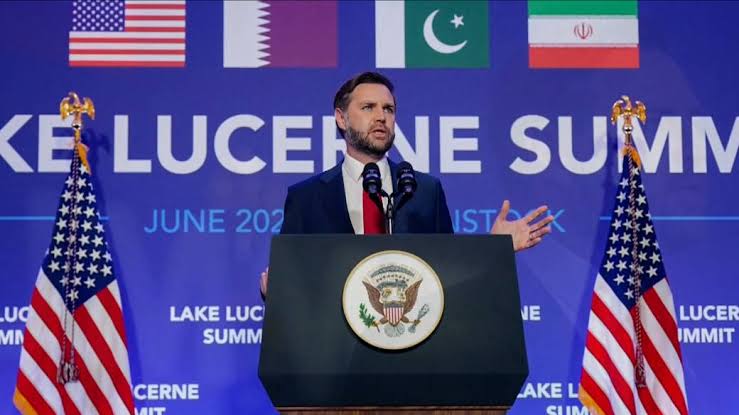
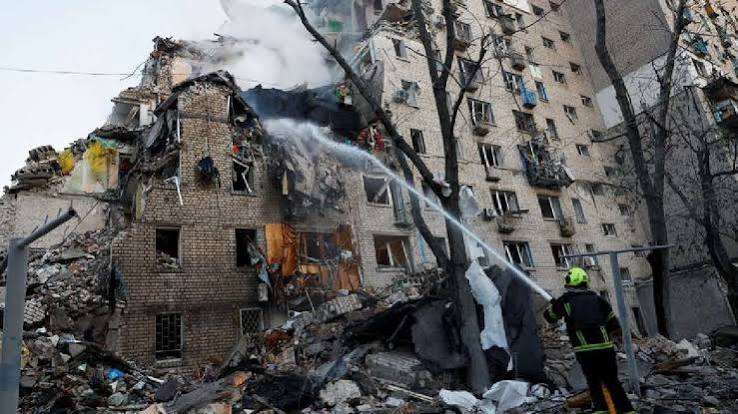
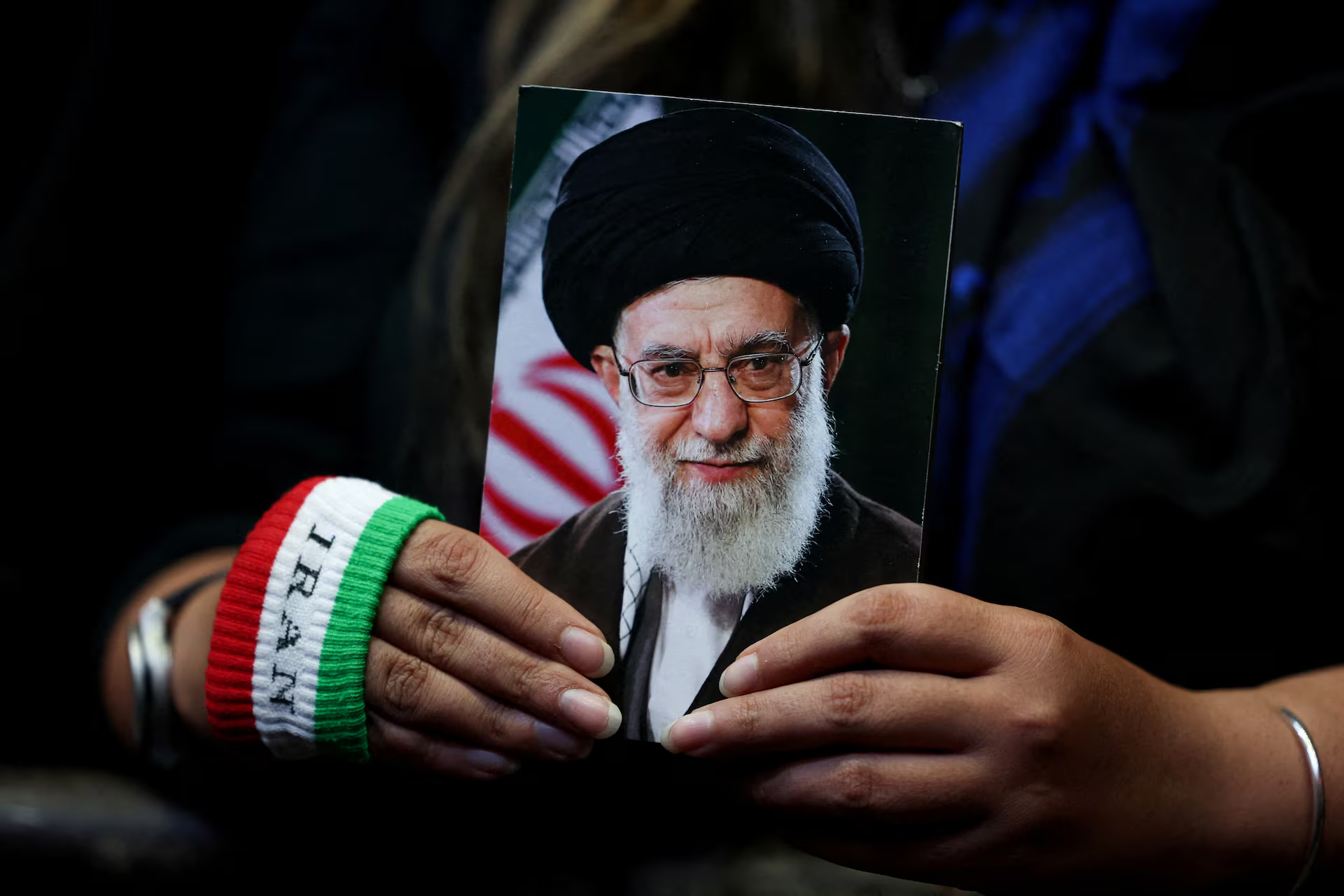
The emergency conclave in Doha was billed as a defining moment. Israel’s strike on Qatari soil jolted the region, exposing both the fragility of sovereignty and the hollowness of the guarantees Gulf capitals once believed shielded them. For once, Arab and Islamic foreign ministers seemed poised to act with one voice. Yet when the dust settled, all that emerged was another communiqué of lofty rhetoric and little else.
This pattern is depressingly familiar. The Muslim world’s premier multilateral platform has, for decades, excelled at issuing declarations that vanish into diplomatic ether. Doha was no different. Delegates spoke of deterrence, but the final resolution stopped well short of binding action. Economic boycotts, suspension of ties, and coordinated sanctions were all left off the table. Instead, pious condemnations were offered to placate public anger, ensuring that nothing would disturb the comforts of business as usual.
The strike itself was unprecedented. A Gulf monarchy long considered untouchable and host to the Al Udeid airbase, which houses more than 10,000 US personnel, was hit with impunity. Israeli jets penetrated one of the most fortified skies in the region, underscoring a harsh truth: neither wealth nor proximity to Washington’s largest regional outpost can guarantee protection. For smaller nations across the Middle East, the lesson was far starker. If Qatar, with one of the world’s highest GDP per capita figures, can be struck so brazenly, sovereignty elsewhere is even more vulnerable.
The past offers a telling contrast. In 1973, during the Arab-Israeli war, the oil embargo reshaped global politics overnight. Western economies were brought to their knees, proving that coordinated economic action, when tied to political demands, could alter the balance of power. That moment stands in sharp relief to today’s inertia. The same tools, may they be control of energy markets, trade routes, or investment flows, remain available, yet they are squandered by leaders unwilling to translate wealth into influence.
There is also a broader reckoning. For decades, Gulf rulers leaned on American security guarantees. But when a close ally absorbs an unprovoked strike and Washington offers little beyond perfunctory words, the mirage of protection dissolves. Reliance on external patrons has reached its limits. Only collective policy, backed by economic leverage and, if necessary, credible deterrence, can alter the calculus. Doha summit will not be remembered kindly. In moments of trial, words must give way to action. If Muslim states cannot summon the will to protect their own, they will stand recorded not as guardians of their people but as spectators to their own undoing.