
MULTAN
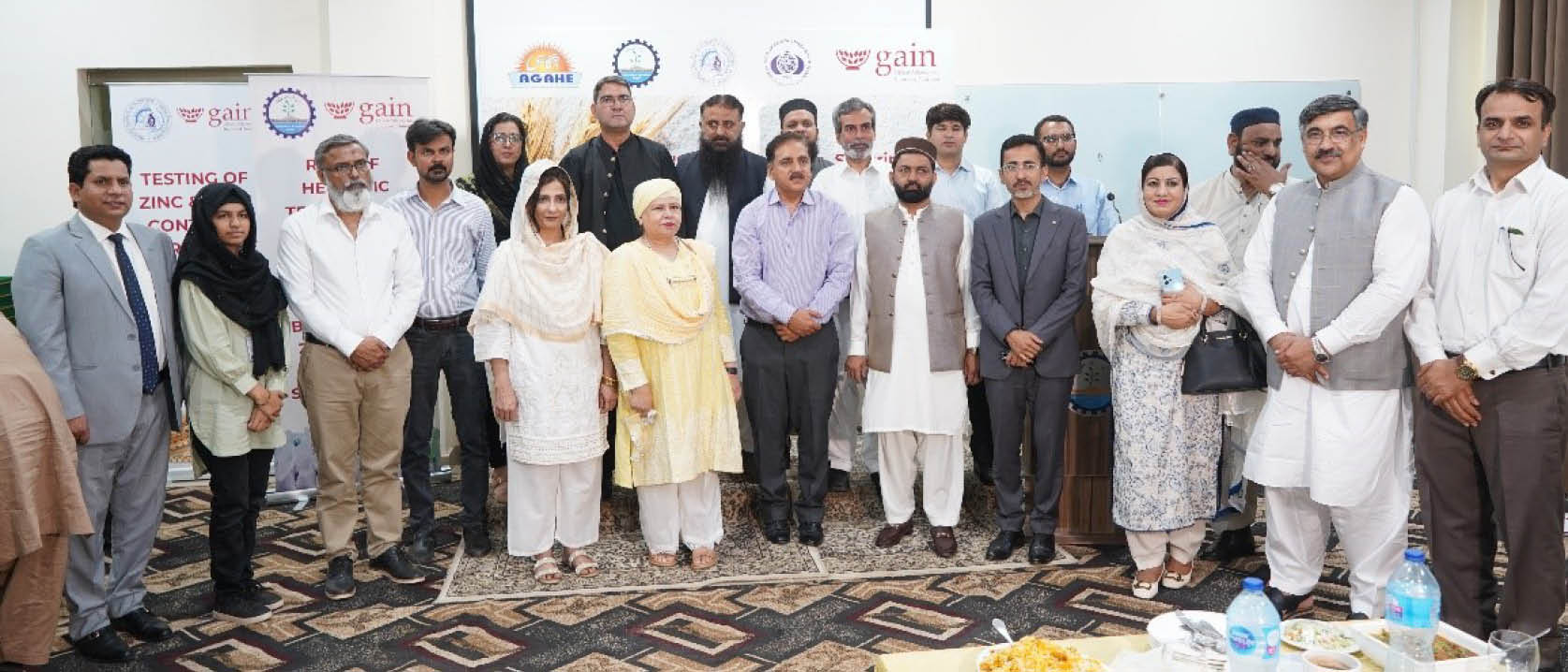
The Global Alliance for Improved Nutrition (GAIN), in collaboration with partners, organized a workshop in Multan to unveil critical research findings on the effectiveness of zinc-biofortified wheat in addressing zinc deficiency in Pakistan.
The event gathered researchers, government officials, farmers, and stakeholders to discuss findings of the research studies: retention of zinc across the wheat value chain, from cultivation to storage and consumption; issues related to conventional storage & use of hermatic storage technology; and effectiveness of biofortified zinc wheat in overcoming zinc deficiency in humans.
The workshop opened with welcome remarks by Ms. Farrah Naz, Country Director, GAIN Pakistan, who emphasized GAIN’s commitment to evidence-based solutions that improve nutrition outcomes. Ms. Tannaza Sadaf, Portfolio Lead at GAIN, provided an overview of GAIN’s ongoing programs in Pakistan, particularly in the agriculture and food systems space.
Research insights and findings from a study “Testing zinc and iron content across the wheat value chain i.e. from seed to wheat flour and flatbread.
The study revealed that biofortified zinc wheat varieties significantly outperform conventional wheat in terms of zinc availability and bioavailability, highlighting their potential to address zinc deficiency.
In another study “Dietary Quality of Zinc Biofortified Wheat Cultivars of Pakistan” results from a randomized controlled feeding trial that assessed the impact of zinc biofortified wheat on human health.
It showed that regular consumption of high-zinc flatbread over a two-month period significantly increased serum zinc levels without adverse effects, proving the efficacy and safety of biofortified wheat.
Key recommendations include promoting whole wheat, fermented flatbreads like khameeri roti to enhance zinc absorption, and integrating zinc-biofortified wheat into public nutrition programs.
The third research study’s findings showed that hermetic storage solutions drastically reduce postharvest losses in terms of moisture, germination, and nutritional quality of seed and wheat grain.
Unlike conventional storage methods that lead to losses of up to 30%, hermetic bags preserved seed viability and nutritional content.
Key takeaways of the studies are Zinc-biofortified wheat significantly improves human zinc status and supports immune health, Whole-wheat and fermentation of dough improve nutrient retention and absorption, Hermetic storage is a game-changer in preserving seed and grain quality postharvest.
Government support and awareness campaigns are essential to scale these innovations nationally.


