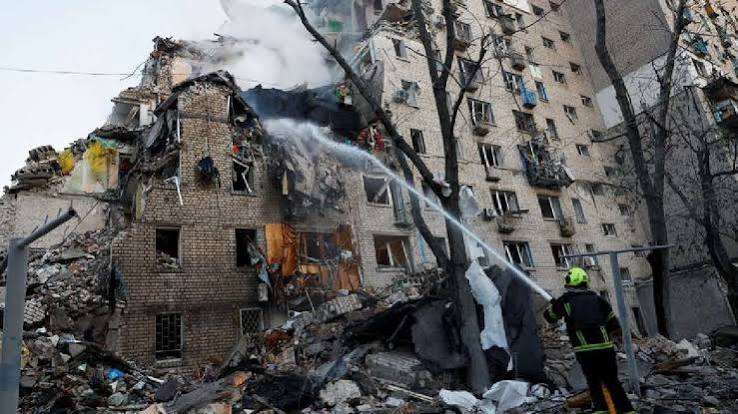
The deadly clashes along the Pakistan-Afghanistan border overnight have once again exposed the fragile peace between the two neighbours. What began as unprovoked fire from across the border has now turned into a full military confrontation. This risks igniting a wider regional crisis. This all happened due to a battle of mistrust, broken promises and war games being played by those who occupy Kabul. According to ISPR, the attacks were launched by groups linked to the so-called Fitna al-Khawarij backed by elements inside Afghanistan and supported by India. Pakistan’s response was strong and swift as our brave forces destroyed several Afghan posts and camps said to be used for terrorism. But while the numbers tell a story of retaliation, they also raise an urgent question: how long can both countries keep fighting shadows instead of addressing the roots of this fire?
Afghanistan’s soil being used against Pakistan is not a new story. Every government in Kabul has promised to stop it, yet cross-border attacks continue. The Taliban, now in power, were expected to prevent such violence. Instead, their silence or complicity has made the situation worse. If they wish to be seen as a responsible government, they must prove that Afghan territory will not be used for terrorism again. At the same time, we must not let emotion replace strategy. A war of fire and fury may win battles, but it cannot build peace. The border needs diplomacy as much as defence. The two countries share not only a frontier but also families, trade, and history. Destroying posts may bring momentary satisfaction, but destroying trust brings long-term loss.
The Taliban’s ties with India add another layer of danger to this already tense situation. If true, it means regional powers are once again using Afghanistan as a chessboard. That game has already brought enough blood to this region.