Rakhshanda Mehtab
We’ve heard the term “cross-border terrorism” for so long that it sometimes loses its meaning, becoming a sterile phrase in diplomatic statements. But for the people of Pakistan’s borderlands, and for the soldiers standing guard there, it has never been more real, more brutal, or more clearly orchestrated. The last six months have not just been a period of conflict; they have been a grim unveiling. The mask has finally slipped, exposing the undeniable and deadly nexus between the TTP and the Afghan Taliban-a partnership that is bleeding Pakistan from across the border.
Let’s look at the facts, written not in ink, but in blood. From April to September of this year, our security forces have been engaged in a relentless fight, and the story their operations tell is unequivocal. In North Waziristan, 71 terrorists who operated from Afghan soil were neutralized. In Bajaur, we lost three brave soldiers in Operation Sarbakaf, and the terrorists killed included Afghan-linked fighters. In Zhob, the bodies of 50 killed terrorists-overwhelmingly Afghan nationals-were carted back to Paktika, Afghanistan. This isn’t a pattern; it’s a blueprint. The bomber in Bannu was an Afghan from Paktika named Abdul Aziz. The explosives expert killed in Sarwakai was an Afghan. The operative captured in Malakand was an Afghan. This is not a coincidence; it is a coordinated campaign.
The timing of these attacks reveals an even more alarming strategic reality. It is a significant fact that Afghanistan has launched these assaults on Pakistan at the precise moment when the Afghan Foreign Minister is on an official visit to India, where anti-Pakistan rhetoric is being formalized into joint declarations. At such a critical juncture, with Pakistan’s perennial adversary hosting this visit, these attacks are no mere coincidence. They represent a criminal approach, one that the people of Pakistan understand all too well.
What we are witnessing is the systematic resurrection of the TTP as a proxy force. The most damning evidence lies in the deliberate funnelling of 500 to 600 hardened, ex-TTP fighters-battle-hardened from fighting alongside the Afghan Taliban-back into the TTP’s ranks by Afghan warlords. This collusion makes it clear how old lines of hostility are being weaponized with new tactics, and these attacks are part of the message that Pakistan’s enemies wish to send. Afghanistan is not a passive host; it is an active facilitator in a broader design, providing a safe haven, a recruitment base, and a launchpad for attacks that are tearing apart our communities.
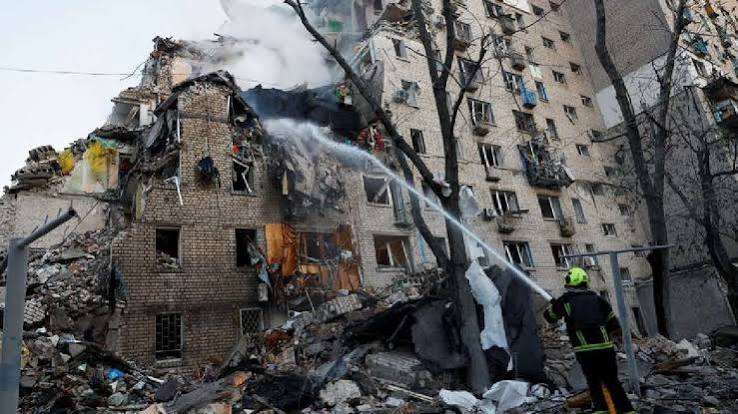
Behind every statistic is a name, a family, and a future sacrificed for our present. The three soldiers martyred in Bajaur were not just numbers; they were someone’s son, someone’s father, someone’s only hope. The six soldiers killed in Bannu had dreams and families waiting for them. It is a profound and ugly betrayal that while our soldiers pay the ultimate price, there are voices-both within and outside our borders-who dare to justify, sympathize with, or even support the TTP. These apologists, sitting in comfort, are endorsing the very killers who rob our children of their fathers and our nation of its protectors. There is no ideological excuse that can justify the murder of those who stand on the front lines to keep us safe. Every ounce of support for the TTP is stained with the blood of our soldiers.
The conclusion is inescapable: Pakistan’s warnings are no longer predictions; they are proven facts. Our UN Ambassador’s report to the Security Council in August was a necessary and justified cry to the world, reaffirming what we see on the ground every day. The trilateral dialogues with Afghanistan and China, while diplomatically important, have so far failed to stem the tide of violence. This tells us that words are not enough. Therefore, we must view this situation in this very context and further strengthen our national unity and defensive resolve. The Afghan government’s inaction, or worse, its complicity as part of a larger hostile alliance, is an existential threat to Pakistan. It directly endangers the stability of crucial regions like Malakand and Bajaur-areas that are the economic and cultural heart of Khyber Pakhtunkhwa.
The world must understand what is at stake. This is not a local skirmish. This is a state-sanctioned terrorism enterprise operating from Afghan soil with broader geopolitical backing, and it threatens to unravel the entire region’s fragile peace. The international community’s continued reluctance to hold the Afghan Taliban accountable is seen here as a green light for more violence. It is long past time for decisive global action. The nexus has been exposed. The evidence is irrefutable. Now, the world must have the courage to confront it.
The writer is MS Research Scholar at IIUI, a freelance content writer and a columnist.