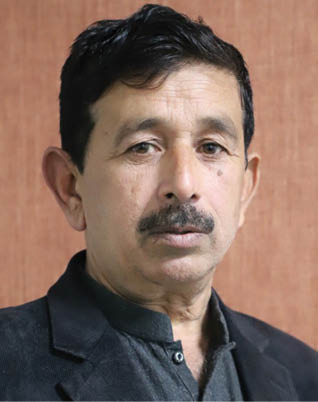
Abdul RehmanAgha
October 17 marks the Global Day for Poverty Eradication, a reminder of the urgent need to eliminate poverty worldwide. In Pakistan, the issue remains a significant challenge, affecting millions of people despite efforts by successive governments and international organizations. With nearly 21.9% of the population living below the poverty line, the country continues to grapple with deep-rooted socio-economic issues that keep vulnerable communities trapped in cycles of poverty.
The Poverty Landscape in Pakistan
Several factors contribute to the persistence of poverty in Pakistan. Economic inequality, limited access to education, unemployment, and lack of social safety nets are among the leading causes. Additionally, recurring natural disasters, political instability, and inflation further exacerbate the hardships faced by low-income families.
Economic Inequality: Pakistan’s wealth distribution remains heavily skewed, with the rich becoming richer while the poor struggle to survive. Rural areas, in particular, bear the brunt of this inequality, as urban centers tend to receive a larger share of investments and development resources.
Limited Access to Education: One of the most significant barriers to poverty alleviation is the lack of quality education. Without access to proper schooling, children in underprivileged communities are deprived of the opportunities necessary to break free from poverty. Pakistan’s low literacy rate, especially among women, remains a pressing concern.
Unemployment and Underemployment: With a growing population and limited job creation, Pakistan faces high levels of unemployment. Even those who are employed often work in informal sectors without job security, benefits, or fair wages, further entrenching the cycle of poverty.
Health and Social Safety Nets: Healthcare services in many parts of the country remain inadequate, particularly in rural areas. This lack of access to basic healthcare puts enormous financial strain on low-income families. Furthermore, Pakistan’s social protection programs are insufficient to address the needs of the most vulnerable.
Impact of Climate Change: Natural disasters such as floods, droughts, and earthquakes have displaced communities, destroyed livelihoods, and further entrenched poverty. Pakistan’s vulnerability to climate change makes poverty alleviation even more challenging, as families affected by these disasters often lose their sources of income and homes.
Measures to Eradicate Poverty in Pakistan
While these challenges may seem overwhelming, targeted measures can significantly reduce poverty levels and improve the living conditions of millions of Pakistanis.
Inclusive Economic Policies: Economic growth must be inclusive, with policies focused on redistributing wealth and resources equitably. Promoting small and medium-sized enterprises (SMEs), particularly in rural areas, can boost local economies and create sustainable employment opportunities.
Investment in Education: Expanding access to quality education, especially for girls and children in rural regions, is key to breaking the cycle of poverty. Vocational training programs and skills development initiatives can also equip young people with the tools they need to secure jobs and earn a decent livelihood.
Job Creation and Labor Reforms: The government should focus on job creation through public-private partnerships, infrastructure development, and foreign investment. Additionally, labor laws should be reformed to ensure fair wages and job security for workers in both formal and informal sectors.
Strengthening Social Safety Nets: Expanding social protection programs like the Benazir Income Support Program (BISP) and Ehsaas Program can provide much-needed financial assistance to low-income families. Furthermore, access to affordable healthcare must be prioritized, particularly for rural communities.
Climate Resilience: Given Pakistan’s vulnerability to climate change, it is essential to adopt climate-resilient policies that safeguard agriculture and rural livelihoods. Disaster management systems should be strengthened to provide timely assistance to communities impacted by natural disasters.
Empowerment of Women: Women’s economic participation is crucial to poverty eradication. By promoting gender equality, providing microloans to women entrepreneurs, and ensuring that women have access to education and healthcare, Pakistan can harness the potential of half its population in the fight against poverty.
A Call for Global Solidarity
Poverty eradication requires not only national efforts but also global cooperation. International financial institutions, NGOs, and donor countries can play a crucial role by providing financial aid, technical expertise, and support for sustainable development programs.
On this Global Day for Poverty Eradication, let us reaffirm our commitment to building a more equitable and prosperous Pakistan. By addressing the root causes of poverty and implementing comprehensive, inclusive policies, we can ensure that every citizen has access to the basic necessities and opportunities they deserve. Poverty is not just a local issue; it’s a global challenge, and together, we can overcome it.
By: Abdul RehmanAgha
rehmanagha@gmail.com