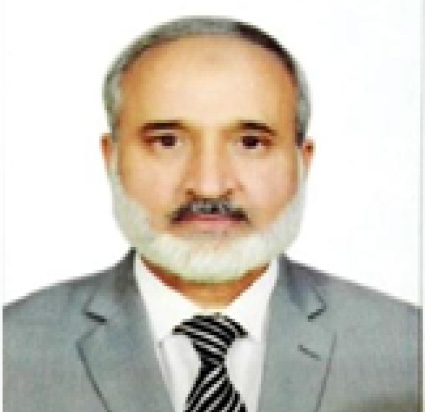
Muhammad Mushtaq Jadun
Pakistan’s justice system is adversarial. In this system prosecution and defense present opposing arguments to a judge. So each case is hotly contested, with focus on accusations and winning. Such system is costly as both sides have to engage lawyers, present evidence, both verbal and documentary. Delays and high cost is thus inevitable which is beyond financial access of aggrieved common man.
Contrary to this inquisitorial justice is based on the principles of Inquiry, with an approach of investigation and truth. More common in Western and some Asian countries like Japan and Korea. Pakistan, as member of United Nations, is signatory to various international protocols and declarations, major being, Universal Declaration of Human Rights (1948), Genera Convention (1949), ILO CEDAW 1979 and United Nations Convention on the Rights of Children 1989. With manifold increase in population, urbanistan and technological advancement public service delivery and customer satisfaction is now focus of all the public service providers.
Range of public service delivery broadened. Meanwhile at world level various indices devised to measure the effectiveness, transparency, accountability, public participation and gender gap in the public service delivery.
Few such surveys are Global Governance Index, Global Gender Parity Index, world Justice Project, rule of Law Index, Human Resource Development Index Transparency International, Corruption Perception Index, Gender Forum and Human Freedom Index, just to name a few. Unfortunately Pakistan is not in an enviable position in all such international surveys. The state of Pakistan, being signatory, and member of United ovation is bound, under international law, to abide by these conventions, protocols and declarations. Weak writ of the State, Corruption, inefficiency, costly and delayed dispensation of justice warrants out of box solutions with innovative measures.
In USA Administrative justice forum advises the Ministry of Justice in regard to right of the administrative justice and tribunals system. Article 212 of Constitution of Pakistan States that the Federal Government may establish administrative courts and tribunals. Fundamental rights as enshrined in our Constitution (articles 8 to 28) and principles of policy (article 38(d) ensure equality of citizens, dignity of man, inexpensive land expeditious Justice. It includes physical, social and financial access to justice and public service delivery.
Establishment of Wafaqi Mohtasib Office under Order of 1983 was first such step. Its working was further reformed under Reforms Act, 2013 and Regulations 2013. Since its inception it has witnessed forty momentous years of growth and progress. Today the Institution comprises of Head Office, 17 Regional Offices and four Complaints Collections Centre’s in all the Provinces and regions of the country. During 2023 a total of 194,106 complaints were received, out of which 193,030 disposed of. It recorded an increase of 18% over the preceding year with an impressive rate of 96% disposal. Substantive increase in registration of Complaints speaks of public trust in the office of Wafaqi Mohtasib Office.
Author is Ex-Public Servant and author of FCR commentary reports on merged tribal areas and non-formal education