LANDIKOTAL
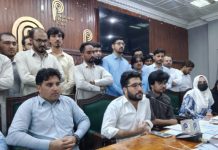
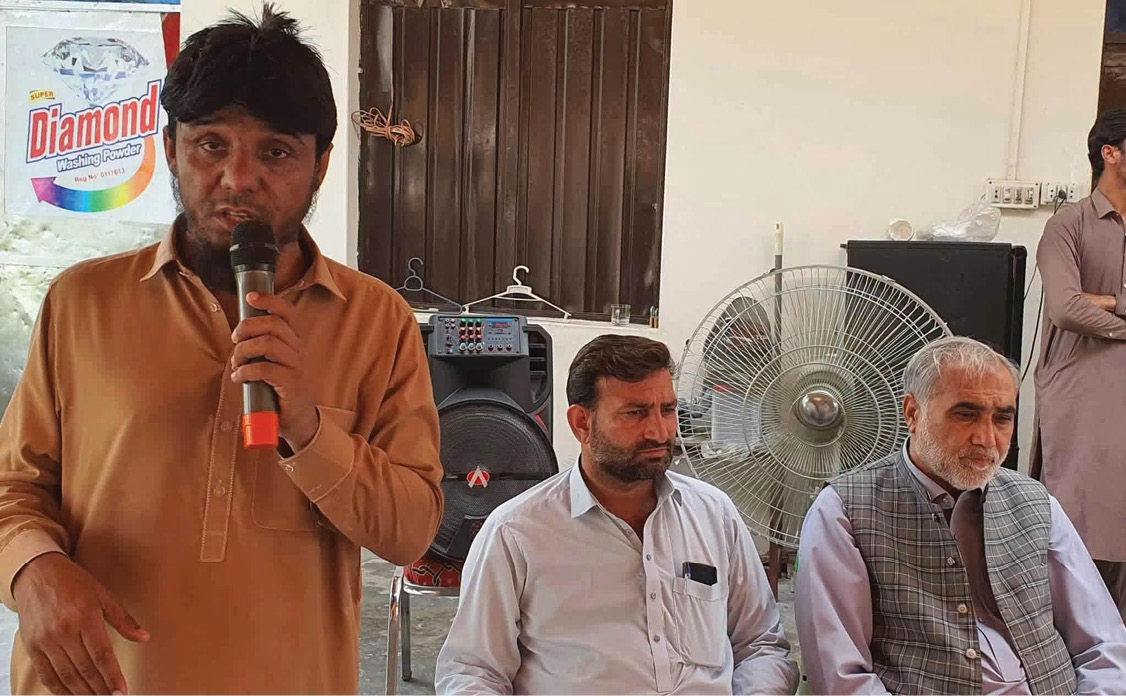
A grand jirga comprising customs agents, traders, transporters, tribal elders and representatives of various organisations was held on Monday, to protest the closure of the Pakistan-Afghanistan border, particularly the Torkham crossing, for nearly 10 months and the severe economic and social crisis it has caused.
The participants demanded that the government immediately reopen Pakistan-Afghanistan border crossings, particularly Torkham, for trade and restore livelihood opportunities for people living in the border areas. They warned that if the crossings were not reopened, a joint movement would be launched from Bajaur to Chaman, followed by a march towards Islamabad.
President of the customs clearing agents Mujeeb Shinwari said the next phase of the protest movement would be held in Islamabad, where protesters would demonstrate in front of parliament house. He urged representatives of unions operating at other border points to join the protest instead of remaining silent.
“We will once again convey the concerns of the tribal people and business community to the higher authorities,” he said. Israr Shinwari of Naujawanan-e-Qabail stressed the need for greater coordination among all relevant organisations. He said the prolonged border closure might not be fully felt by the state, but local tribal communities had been pushed into severe economic hardship.
He proposed that another grand jirga should be convened jointly with an Afghan jirga and political leaders should also be invited. He warned that if the situation continued, trade with Afghanistan could suffer further.
Malik Abdullah Wazir said the border closure had forced people to borrow money and even beg for their livelihood. He called for all traders unions,industrialists, transpoters and exporters to join hands and launch a coordinated movement in Islamabad.
“The closure of the border amounts to economic killing of the tribal people,” he said, adding that sources of income had been shut down while poverty and unemployment were increasing in Khyber Pakhtunkhwa and Balochistan, potentially creating further space for crime and insecurity.
Syed Jawad Kazmi said customs agents at Torkham had kept the protest movement alive and that the tribal people were only demanding their right to earn a livelihood. He said industrialists, labourers, traders and transporters had all been badly affected by the closure.
He demanded that all relevant ministries arrange alternative economic opportunities if the government did not intend to reopen the border.
“Give people employment instead of taking away their livelihoods. There is no option left but protest,” Jawad said.
Kazmi also said peace and security were fundamental requirements for trade, adding that Pakistan had repeatedly demanded an end to attacks against Pakistan from Afghan soil. He urged tribal elders and traders to jointly decide the future course of action. Sanaullah Afridi, of the Zwan Kokikhel Ittehad, said people were being deprived of their sources of livelihood, which could contribute to an increase in extremism and crime. He said the tribes had shown considerable patience and had held negotiations and jirgas, but the situation had not improved.
Aftab Pashteen,district coordinator of Pashtun Tahafuz Movement(PTM) said if the state did not intend to reopen the border, it must provide alternative sources of employment to the affected communities. He said ordinary citizens could not guarantee security, as relevant state institutions were provided substantial budgets for that purpose. He said the protest movement had passed through several stages and it was now time for decisive action. He called for a large-scale movement from Bajaur to Chaman and said the border should be reopened for trade and employment and should not be used for political purposes.
Aftab Pashteen also proposed that a delegation should meet Afghan traders to understand their position and identify the actual reasons behind the prolonged disruption in cross-border trade. He termed a march towards Islamabad inevitable if the issue remained unresolved.
Transporter Iqbal urged the government to find an immediate solution, saying people were facing severe hardship because of unemployment and poverty. He demanded urgent measures to reopen the border and restore trade.
The participants said the 10-month closure had severely affected trade, the economy and the daily lives of people in the border areas. They warned that if their demands were not accepted, all concerned unions, traders, transporters and tribal organisations would strengthen coordination and launch a joint protest movement.
They said the next phase of the movement would include a march to Islamabad and a protest in front of parliament house, demanding the immediate reopening of the Torkham border and other crossings for trade and the restoration of livelihoods for the affected communities.