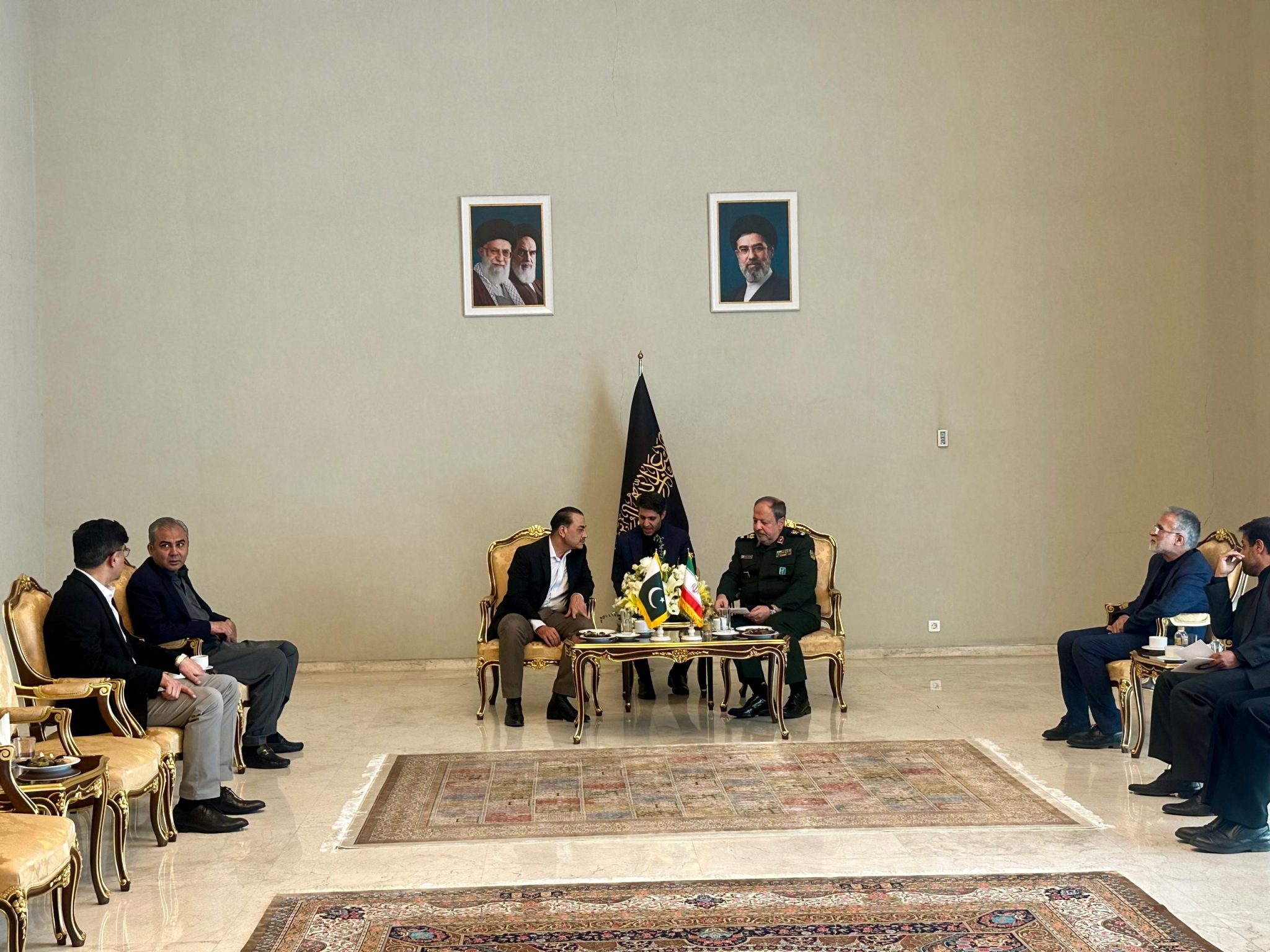
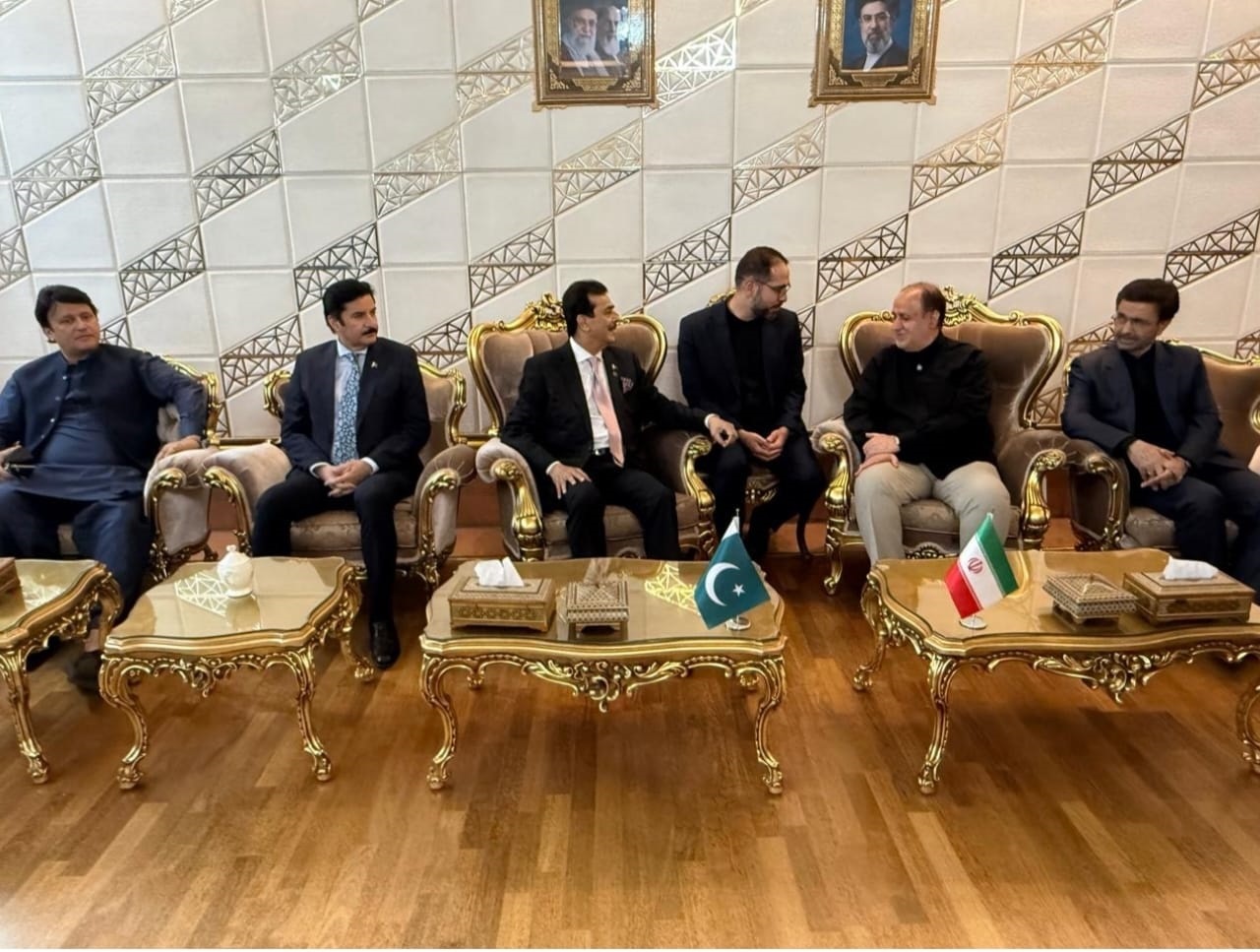
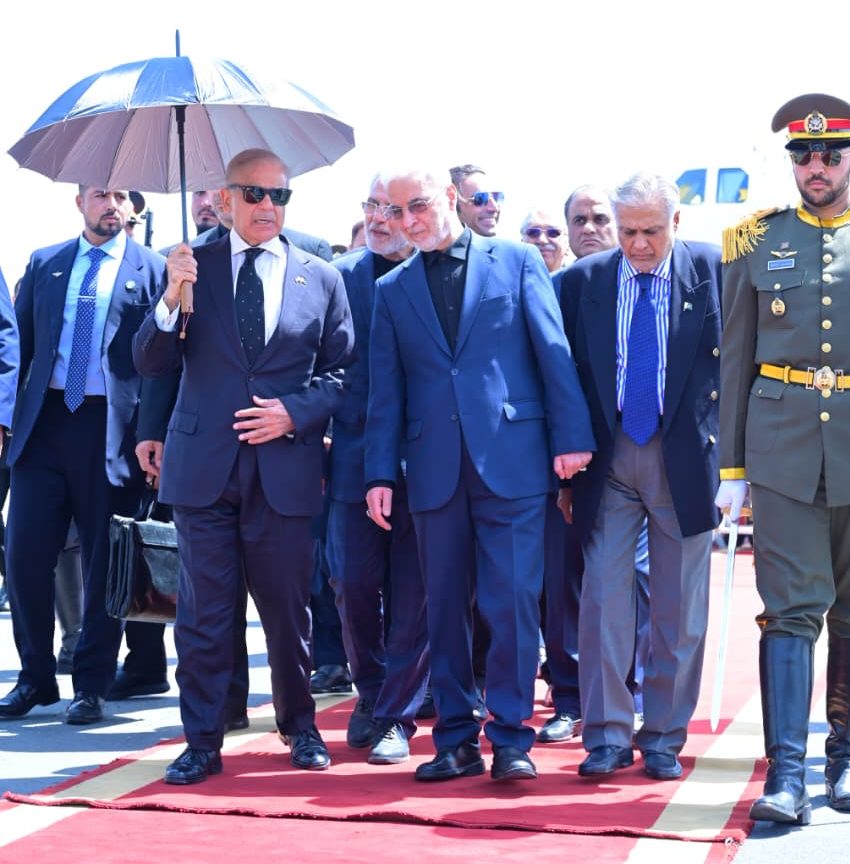
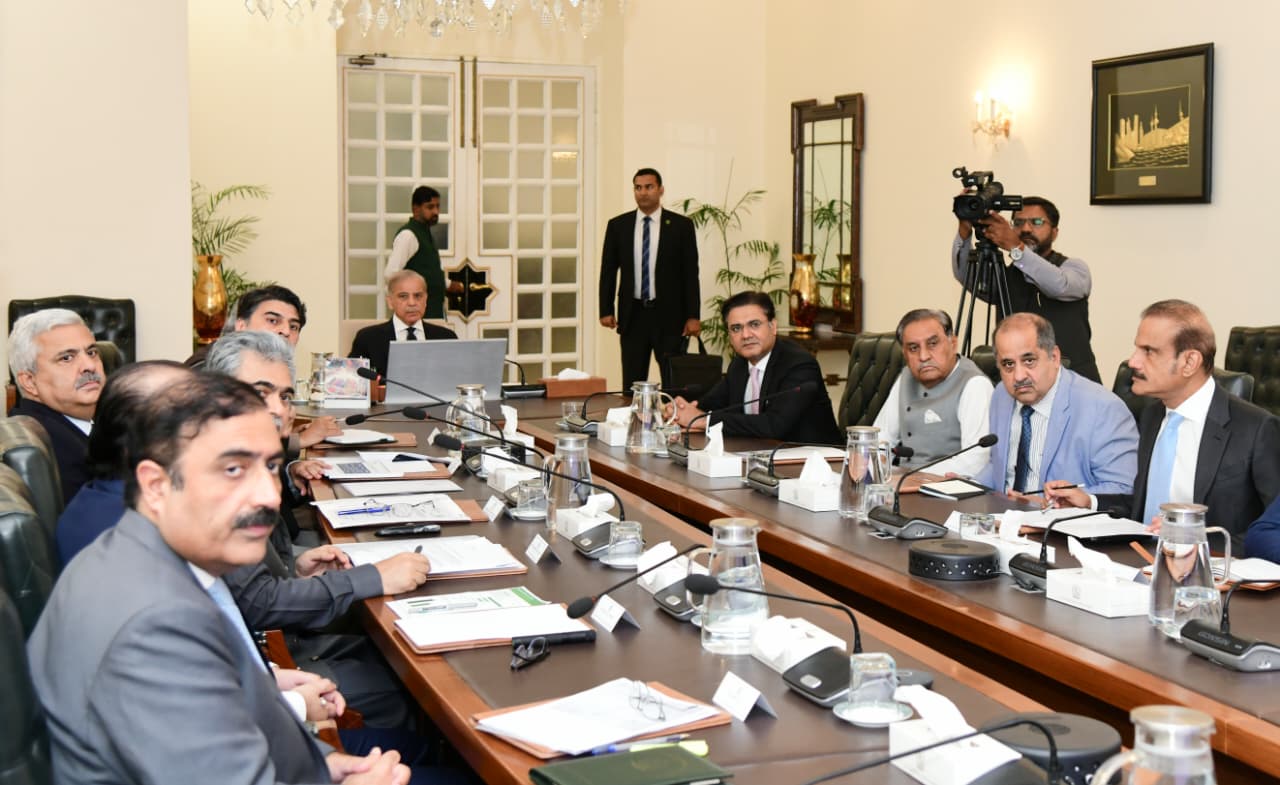
Pakistan spared no protocol in welcoming UAE President Sheikh Mohamed bin Zayed Al Nahyan. Fighter jet escorts, a 21-gun salute, and warm official language about “substantive talks” and fraternal bonds framed the visit as a diplomatic high point. Goodwill matters. But for Pakistan, goodwill has meaning only when it produces outcomes. The question that lingers after these ceremonies is unavoidable: does this relationship advance Pakistan’s long-term economic sovereignty, or does it merely help us manage the next liquidity crunch?
On paper, the Pakistan-UAE relationship looks robust. Bilateral trade crossed $10.9 billion in 2023-24, remittances from nearly 1.5 million Pakistanis in the Emirates touched $6.7 billion in 2024, and Emirati firms are now deeply embedded in Pakistan’s banking, telecom and port infrastructure.
Yet the imbalance is striking. Pakistani exports to the UAE remain modest compared to imports, reinforcing a familiar pattern: Pakistan consumes, and others sell. Remittances–vital as they are–cannot substitute for export growth or domestic productivity. Worse, while official statements speak of brotherhood, ordinary Pakistanis experience something closer to exclusion. Reports of mass UAE visa rejections, particularly for young professionals, sit uneasily alongside lofty claims about people-to-people ties.
The timing also matters. Pakistan is operating under the $7 billion IMF programme, built in part on assurances and rollovers from Gulf partners. At the same time, foreign loans continue to rise, and Islamabad faces a foreign debt servicing bill of over $25 billion this year. This is not an indictment of the UAE, which has acted as a reliable financial backstop in difficult moments. It is a critique of Pakistan’s own habit of treating friendly capitals as short-term shock absorbers rather than long-term economic partners.
Debt-financed stability is not stability. Rolling over deposits and stacking new loans to defend reserves may buy time, but it also shrinks policy space. Economists are right to warn that this path is unsustainable. If Pakistan wants the UAE relationship to mature, it must pivot from cheque-book diplomacy to geo-economics, with a renewed focus on exports, joint ventures, value-addition and technology transfer.
This is where Islamabad must be more exacting. What market access can Pakistani firms realistically secure in the UAE beyond construction and low-end services? Which joint industrial projects will move from memoranda to machinery on the ground? How will port and logistics investments integrate the Pakistani industry instead of merely facilitating imports? And crucially, what framework will ensure fair treatment and mobility for Pakistani workers and professionals?
Parliament, industry bodies, and provincial governments should, therefore, demand clarity, timelines and accountability. President Sheikh Mohamed bin Zayed’s visit should be welcomed as an opportunity. Still, we would do well to remember that ceremonies fade quickly. What endures are factories built, exports expanded, skills upgraded and citizens treated with respect.