PESHAWAR
Human Rights Institutions, government departments, and education stakeholders reaffirm their commitment to end gender inequality in education and take affirmative measures to promote girls’ equal access to elementary and secondary education in Khyber Pakhtunkhwa.
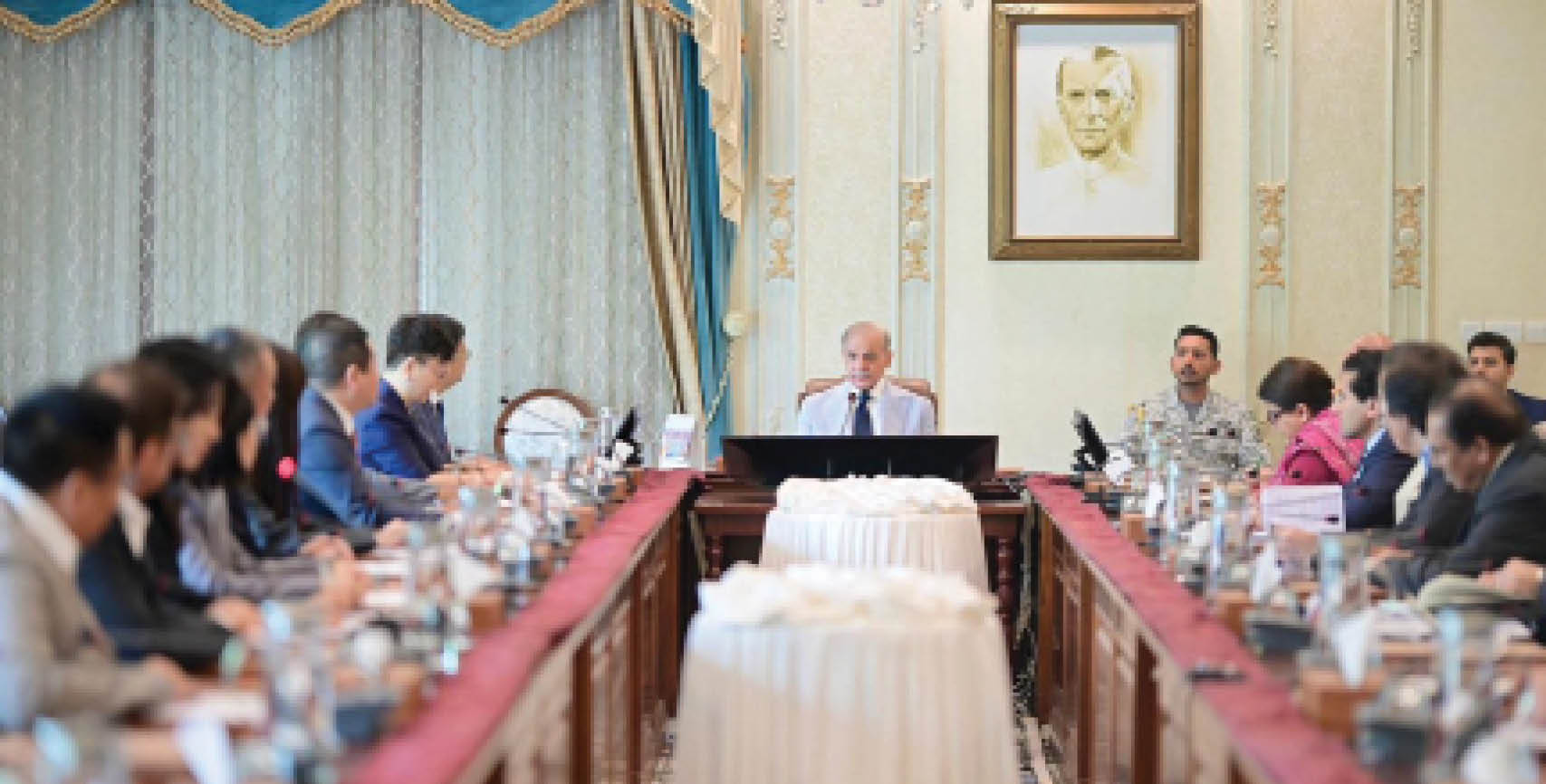
The commitment was made in a roundtable table consultation held in Peshawar of Joint Working Group of National Human Rights Institutions NHRIs on girls education, by Khyber Pakhtunkhwa Commission on the Status of Women KPCSW with support of Blue Veins.
A Joint Working Group is established by KPCSW with a core purpose of supporting the provincial government and education department to advocate, protect and sustain the rights of girls to quality education in KP. The Joint Working Group comprises representatives from the Provincial Assembly, Khyber Pakhtunkhwa Commission on the Status of Women, Directorate General of Law and Human Rights KP, Directorate, Secretariatand Department of Elementary and Secondary Education, Right to Information Commission, Right to Services Commission, and KP Child protection and welfare commission, National Commission on Human Rights (NCHR), Blue Veins and CSOs.
Chairing the first consultation, MPA Ayesha Bano Parliamentary Secretary on Higher Education said “Bringing improvement in the education sector is the topmost priority of the current led KP Government and special focus being given to girls’ primary and secondary education. The focus will remain the same and KP will serve as an epitome for the other provinces for the budget it spends on education particularly on girls’ education”.
The factor of climate change was also highlighted by Ayesha Bano, as it is one of the key factors, exacerbating already poor educational access, especially for girls.
The statistics on girls’ education in Khyber Pakhtunkhwa was shared in the consultation. The provided figure to the Joint working group states that 53 percent of girls of the age group 5-16 years are out-of-school in Khyber Pakhtunkhwa.
Qamar Naseem, Member Pakistan Education Champion Network PECN shared the data from Recent survey conducted by BISP’s National Socio-Economic Registry census. He said that “the BISP survey had put the number of out-of-school children at 4.7 millionout of which 2.9 million are girls. Government need to establish over 15,000 additional schools to accommodate out-of-school children.” However, the given figure has been exacerbated by the recent flood, he added.
Dr. Rukhsana Aziz, Senior Planning Officer Elementary and Secondary Education Department said “in the preparation of annual development program, proposals for establishment of new schools,upgradation of Middle Schools to High levelon need Basis, emergency Response & preparedness, Repairs and maintenance of schools, are the forth priorities of the education department.”
“Furthermore, Joint Working Group of NHRIs should call upon the Special Secretary Education KP in future meetings for improved coordination and networking among the education stakeholders and Secretariat of E&SE for strengthening gender-responsive education policies and measures” she added.
Amna Durrani, Director Program KP Commission on the Status of Women KPCSW said “National Human Rights Institutions (NHRIs) hold contributing role to women’s/girls’ empowerment through their unique mandate and powers.
Human Rights institutions at the National and Provincial level can play meaningful role in a variety of situations, from monitoring the state of girls’ education in Khyber Pakhtunkhwa, to streamlining the problems as human rights issue and can help Government in reshaping inclusive, equitable and responsive education policies, laws, and initiatives.”