TEHRAN
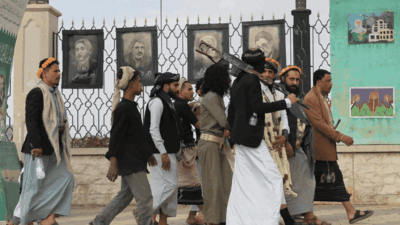
Tensions in the Middle East surged further this week as Iran reportedly instructed Yemen’s Houthi movement to prepare to close the Red Sea gateway if the United States targets Iran’s power infrastructure. The warning comes amid a sharp escalation of strikes between Tehran and Washington, raising fears of disruption to global trade routes.
According to regional sources, Kuwait’s military confirmed it was responding to renewed Iranian aerial attacks, underscoring the widening scope of hostilities. The exchanges have intensified after U.S. strikes prompted the evacuation of a hospital in Iran, which Tehran condemned as a “barbaric” act.
Iran’s Foreign Ministry spokesperson declared that the country would defend its national security “as long as necessary,” signaling Tehran’s resolve to continue retaliatory measures. The statement followed a series of U.S. operations targeting Iranian assets, which Washington described as defensive actions in response to Iranian‑backed attacks on American interests.
The Kremlin voiced concern over the spiraling confrontation, stating it remains in close contact with Tehran. Moscow warned that the latest escalation poses serious risks to the global economy, particularly through potential disruption of energy supplies and maritime trade. Russia’s involvement highlights the international dimension of the crisis, with major powers watching closely as the situation unfolds.
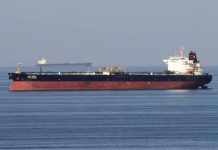
The Red Sea, a critical maritime corridor linking Europe and Asia, has already been vulnerable to attacks on shipping in recent months. Analysts caution that any closure of the gateway by the Houthis would have far‑reaching consequences, potentially driving up global shipping costs and energy prices.
Diplomatic observers note that the confrontation reflects a dangerous cycle of retaliation. Iran’s alignment with regional militias, including the Houthis, has long been a flashpoint in U.S. policy. The latest developments suggest Tehran is willing to leverage its influence over these groups to pressure Washington.
Meanwhile, humanitarian concerns are mounting. The hospital evacuation following U.S. strikes has drawn condemnation from Iranian officials, who accuse Washington of disregarding civilian safety. International organizations have yet to issue formal statements, but aid agencies warn that escalating military action could worsen the humanitarian situation across the region.
With both sides entrenched, prospects for de‑escalation appear slim. The coming days may prove decisive in determining whether the crisis remains contained or expands into a broader regional conflict. — DNA