DLP Report
PESHAWAR
In a major step towards transparency and modernization, the irrigation Department has introduced the e-Abiana system for digital revenue collection.
Developed in collaboration with the KP IT Board, the system will be piloted in Mardan Division in the coming months, aiming to eliminate corruption and improve services for farmers, said a handout.
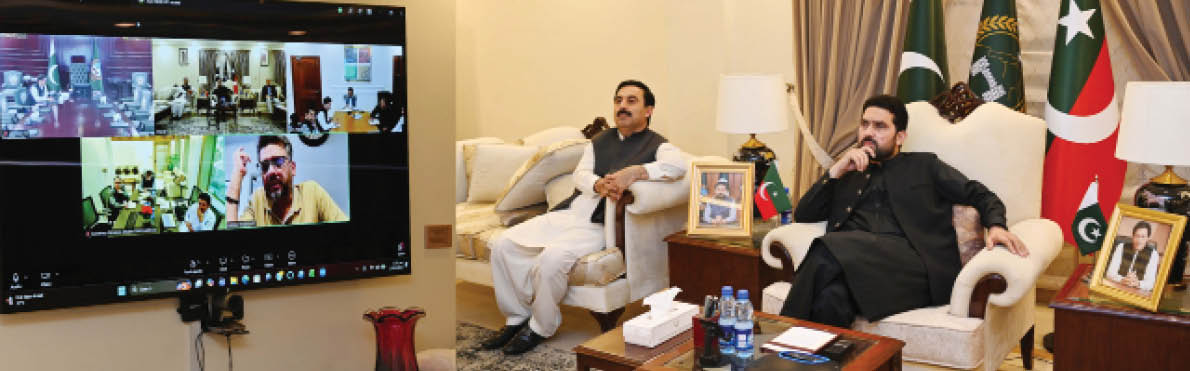
Special Assistant to the Chief Minister Khyber Pakhtunkhwa on irrigation Dr Muhammad Israr Safi visited the office of the Chief Engineer North, where he received a comprehensive briefing on the department’s performance, ongoing initiatives, and future plans.
According to a statement the Chief Engineer North, Engineer Tariq Ali Khan, gave an in-depth presentation on the current water systems, infrastructure challenges, and development strategies in the northern region.
The session was attended by Superintending Engineers, Field Formation Officers, Irrigation Collectors, and other relevant officials.
Highlighting a key development, the department informed that the e-Abiana system will digitize the revenue collection process, replacing the outdated manual system. The move was expected to curb malpractice, ensure transparency, and facilitate better service delivery to the farming community.
During the briefing, it was revealed that 109 water resource projects were currently underway across 18 districts in northern KP, including the construction and rehabilitation of canals, dams, barrages, and flood protection structures.
On this occasion, Dr. Israr Safi emphasized the importance of diligence and accountability among departmental staff. “There will be no compromise on quality in development works,” he stated. He also expressed his resolve to personally inspect various ongoing projects to monitor progress and ensure transparency.
Dr. Safi reaffirmed his commitment to upholding the trust placed in him by the Chief Minister and Pakistan Tehreek-e-Insaf (PTI).
He vowed to bring about meaningful reforms in the irrigation sector through the adoption of modern technology, good governance, and transparent practices.