DLP Report
PESHAWAR
The Khyber Pakhtunkhwa government on Wednesday agreed in principle to reduce the tobacco cess by Rs5 per kilogram after parliamentarians from Swabi highlighted the challenges faced by tobacco growers.
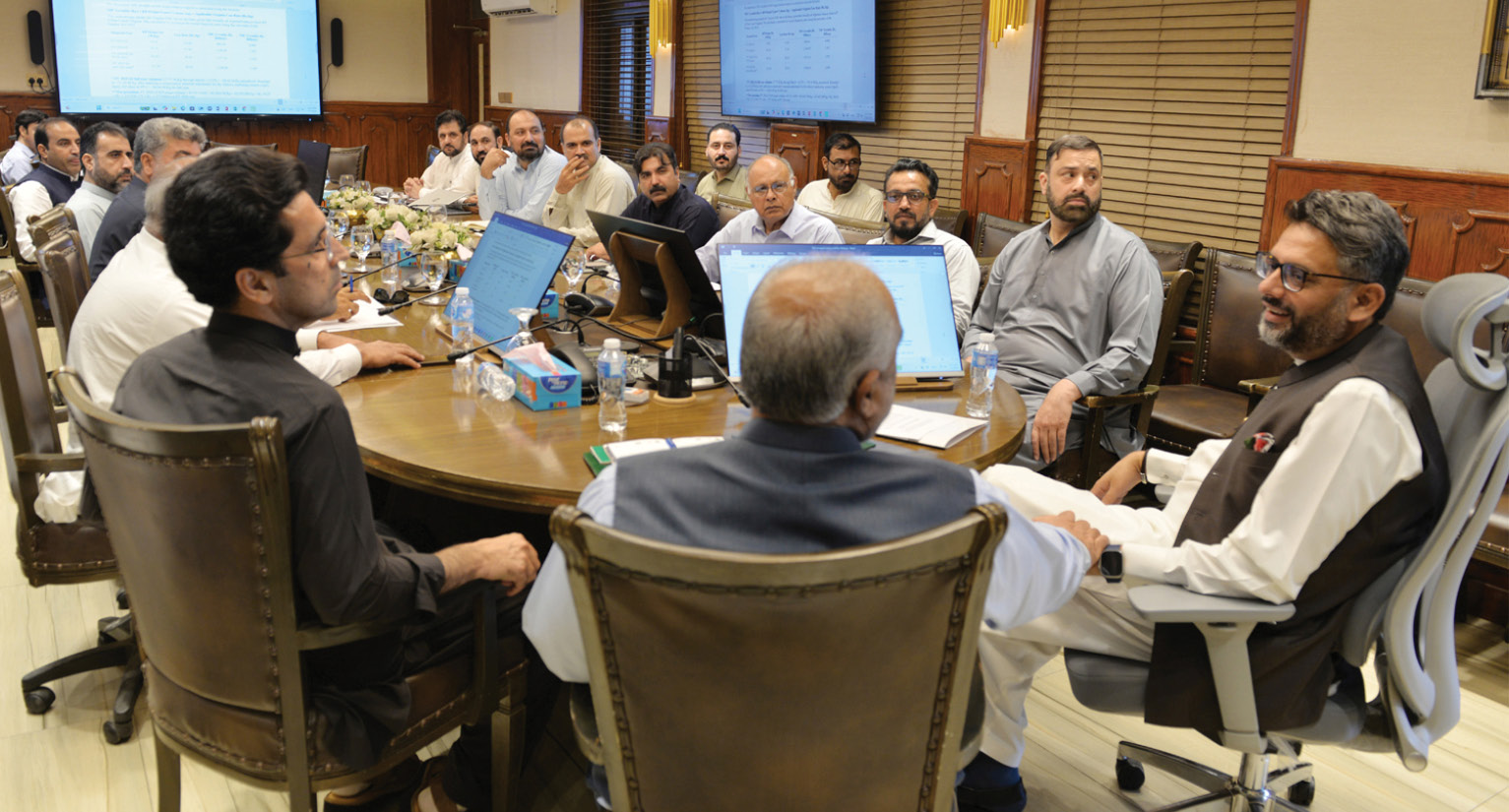
The decision was taken during a meeting chaired by Chief Minister’s Adviser on Finance Muzzammil Aslam at Peshawar, a handout said.
According to the statement, the meeting was attended by former National Assembly speaker and MNA Asad Qaiser, MNA Shahram Khan Tarakai, MPAs Abdul Karim Tordher and Rangaiz Khan, along with officials from the Planning and Development and Excise departments.
Participants reviewed issues relating to tobacco cultivation, the tobacco cess and revenue generated from the crop.
According to an official statement, the meeting agreed in principle to reduce the cess from the current rate of Rs30.25 per kilogram to Rs25 per kilogram following a request by Mr Qaiser, Mr Tarakai and other lawmakers. The proposal will be forwarded to Chief Minister Muhammad Sohail Afridi for approval, after which an ordinance will be introduced to amend the relevant provisions of the Finance Act.
The cess had been increased by 10 per cent for the current financial year, raising it from Rs27.50 per kilogram to Rs30.25 per kilogram.
Speaking on the occasion, Mr Aslam said agriculture had become a provincial subject after the 18th Constitutional Amendment, but tobacco remained under federal taxation unlike other agricultural crops.
He said the federal government continued to collect around Rs390 per kilogram in taxes on tobacco, while no similar taxes were imposed on crops such as wheat and sugarcane.
The finance adviser urged the federal government to transfer the taxation of tobacco to the provinces, arguing that the revenue generated from the crop rightfully belonged to KP.
He also said tobacco tax revenue collected by the federation was distributed among all provinces through the divisible pool, while KP did not receive comparable revenue from other agricultural crops, describing the existing arrangement as unfair to the province.