DLP Report
PESHAWAR
Chief Minister Sohail Afridi on Saturday said the Khyber Pakhtunkhwa government would not support any policy that shifts the burden of a potential fuel supply crisis onto the public, stressing that relief to citizens must remain the government’s top priority.
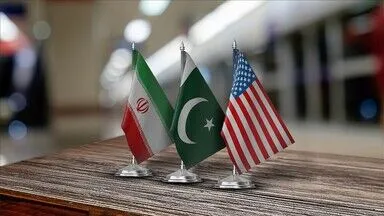
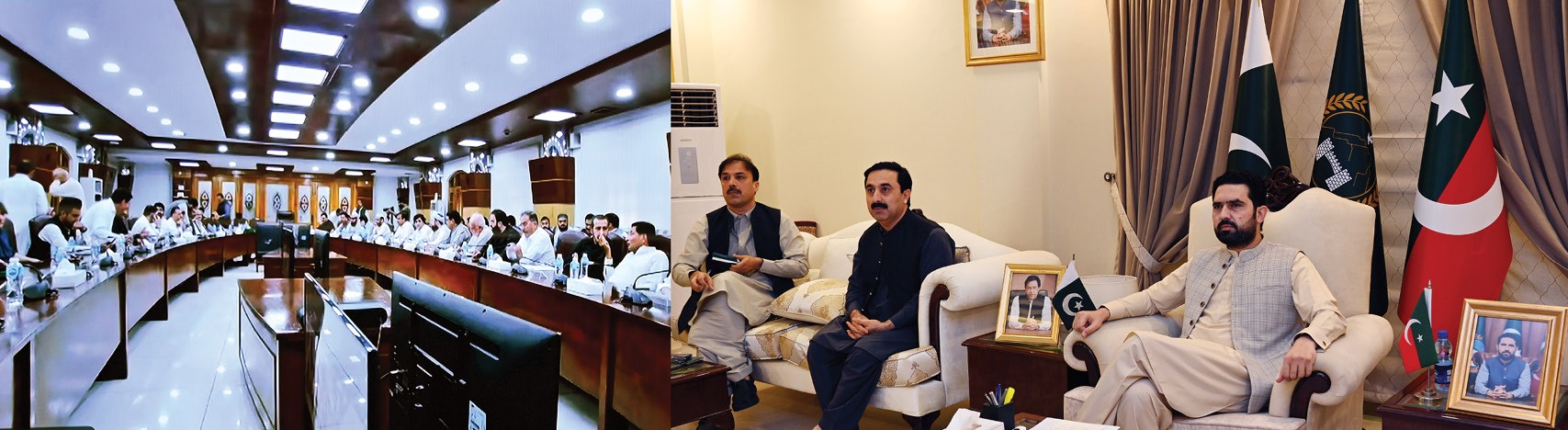
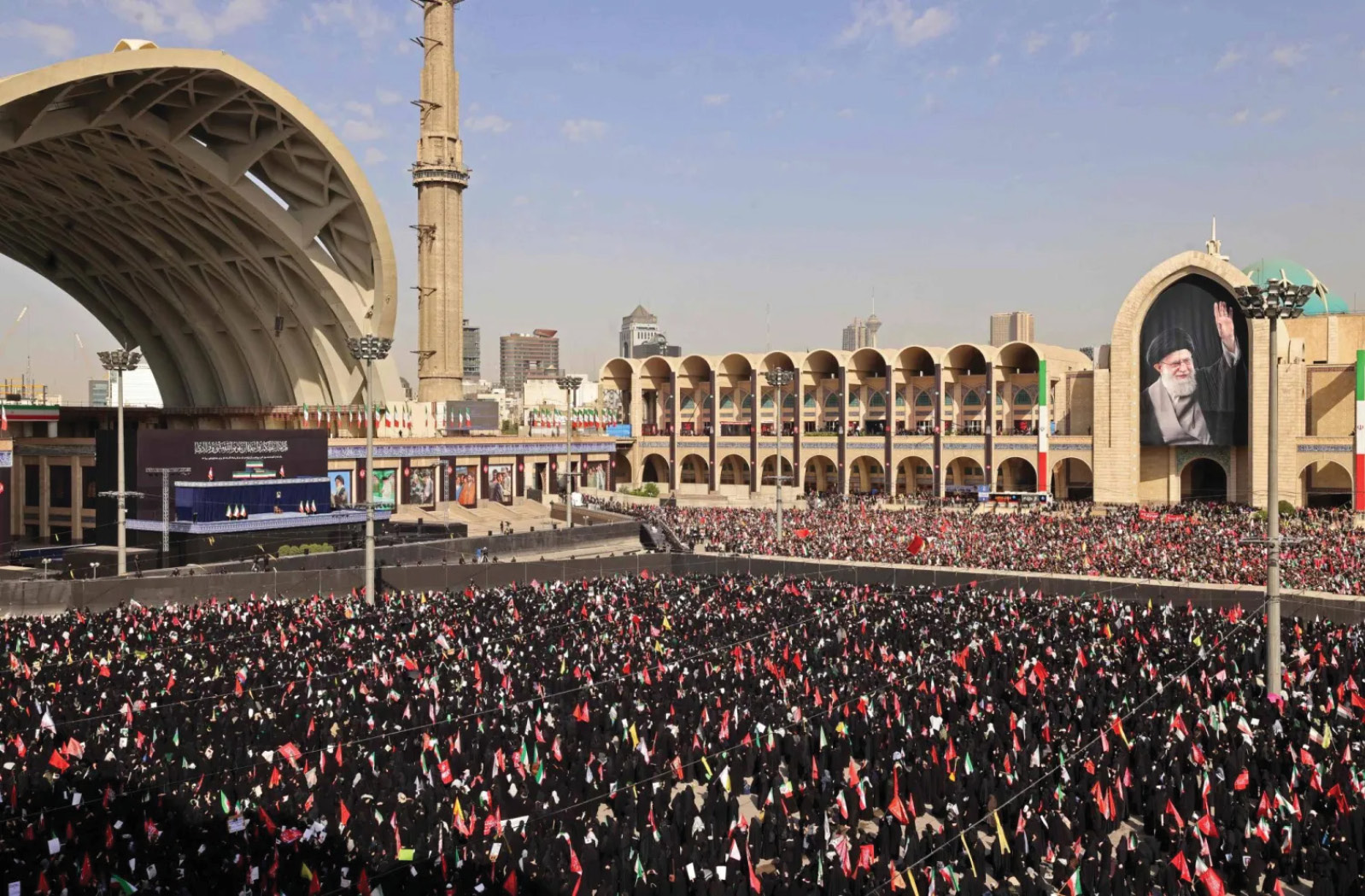
During a meeting with federal ministers for finance and petroleum, the chief minister reviewed the possible implications of rising tensions in the Middle East, particularly between Iran, the United States and Israel, and their potential impact on petroleum supply lines.
According to officials, the federal authorities briefed the chief minister in detail on possible supply constraints and the likely effects on fuel prices if the regional situation further escalates.
Mr Afridi emphasised that governments have a responsibility to provide relief to citizens during difficult times rather than transferring the burden of crises directly to the public.
He said it did not reflect sound governance for governments to continue unnecessary expenditures while shifting the consequences of external crises onto people through increases in petroleum prices.
The chief minister maintained that the tensions between Iran, the United States and Israel should not become a justification for imposing additional financial pressure on citizens.
Instead, he said, governments should demonstrate fiscal discipline and responsible financial management in times of crisis.
Mr Afridi stressed the need to reduce luxury and non-essential expenditures and redirect available resources toward public relief and targeted subsidies to shield ordinary citizens from the effects of inflation and economic uncertainty.
He reiterated that the provincial government would support measures aimed at easing economic pressure on the public but would not endorse proposals that could further burden people already struggling with rising living costs.
Highlighting the principle of public accountability, the chief minister said governments and public institutions operate through taxes contributed by citizens, and therefore it remained their fundamental responsibility to prioritise public welfare and extend relief during difficult economic circumstances.