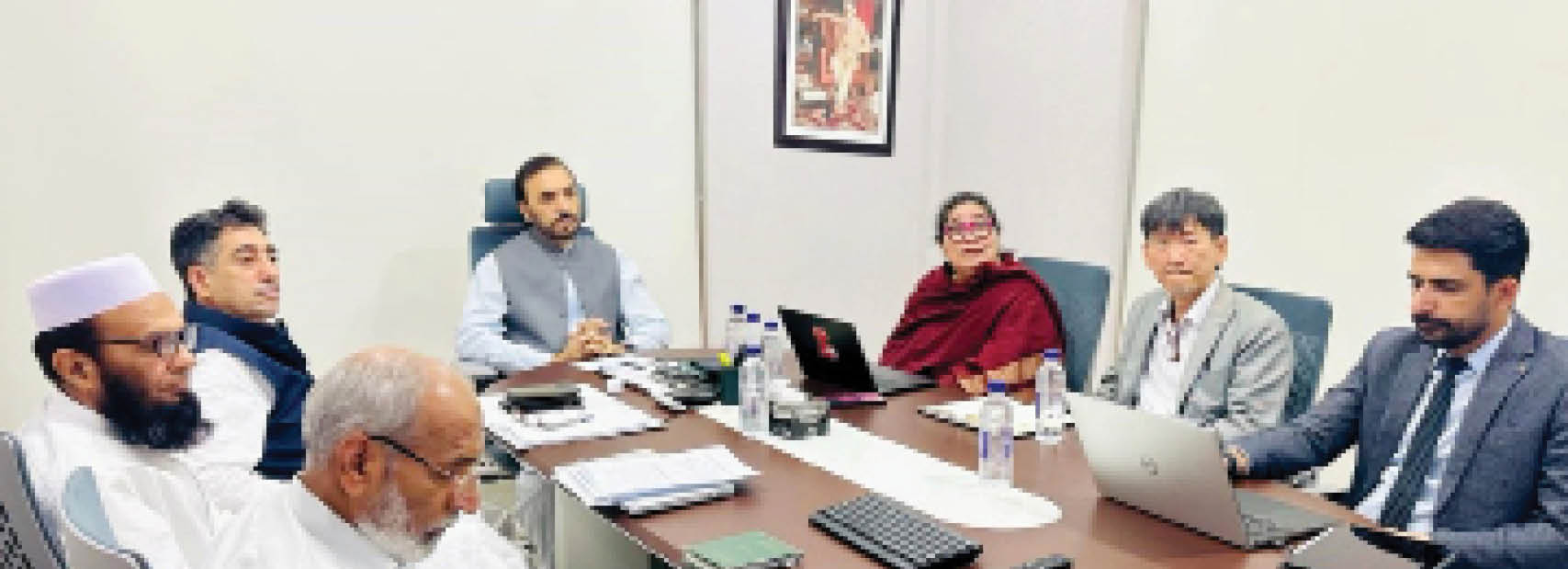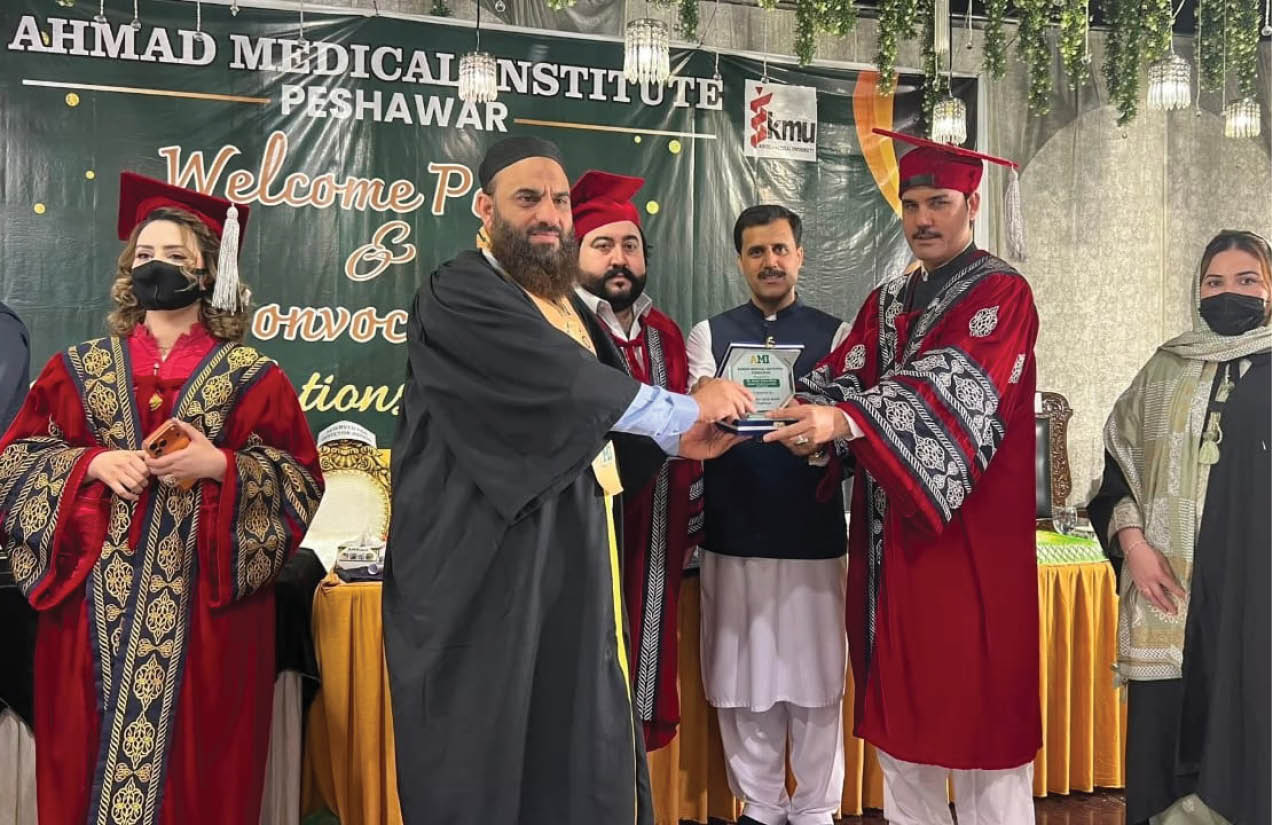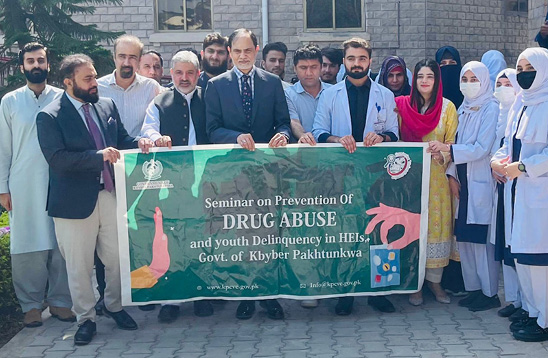
Peshawar: The Khyber Pakhtunkhwa Centre of Excellence on Countering Violent Extremism (KPCVE) organized a pivotal seminar addressing the growing concerns of drug abuse and youth delinquency at Khyber Medical University (KMU), Peshawar. The event aimed to raise awareness about the alarming rise in drug abuse among the youth and its correlation with delinquent behavior, which poses significant social and security challenges for the region. The seminar brought together a diverse group of experts, academics, students, and representatives from KPCVE, civil society, and healthcare sectors to discuss preventive strategies and interventions. In his opening remarks, Dr. Qasim Khan, Director General of KPCVE, underscored the importance of community engagement and collective action in combating drug abuse among young people. “The increase in drug addiction and youth involvement in unlawful activities is a serious concern. It not only jeopardizes the wellbeing of our younger generation but also amplifies broader security threats in the region,” Dr. Qasim stated. “KPCVE’s goal is to foster dialogue and create a platform for stakeholders to share ideas on how we can better protect, guide, and rehabilitate our youth.” Dr. Ayaz Khan, the Chief Coordination Officer, KPCVE while addressing the seminar, highlighted the growing challenges of drug abuse, particularly among the youth, and emphasized the need for collective efforts to combat this social issue. Dr. Ayaz stressed on the collective efforts to combat the menace of drug abuse among youth. He said that early education on the dangers of drug abuse plays vital role in creating awareness and providing support systems for prevention and rehabilitation. Dr. Zia Ul Haq, Vice Chancellor of Khyber Medical University, highlighted the responsibility of educational institutions in raising awareness about the dangers of drug abuse and guiding students toward healthier, more productive lives. Our Correspondent
“Our universities are not merely centres of academic learning; they are platforms to instill values and awareness. Combatting drug abuse demands a unified effort from educators, parents, and the broader community,” he remarked.
Prof. Dr. Abdur Rehman, Head of the Islamic Centre at the University of Peshawar, spoke on the Islamic perspective regarding drug abuse, emphasizing that while Islam prohibits intoxicants, it also advocates for compassion and rehabilitation for those struggling with addiction. “Islam teaches mercy, forgiveness, and the importance of helping individuals reintegrate into society. Islamic centres offer crucial counseling and support to aid recovery, focusing on rehabilitation rather than punishment alone,” he added.
The seminar concluded with a series of recommendations, including enhancing collaboration between government agencies, educational institutions, and civil society to develop long-term programs aimed at preventing drug abuse and rehabilitating those affected.