ISLAMABAD
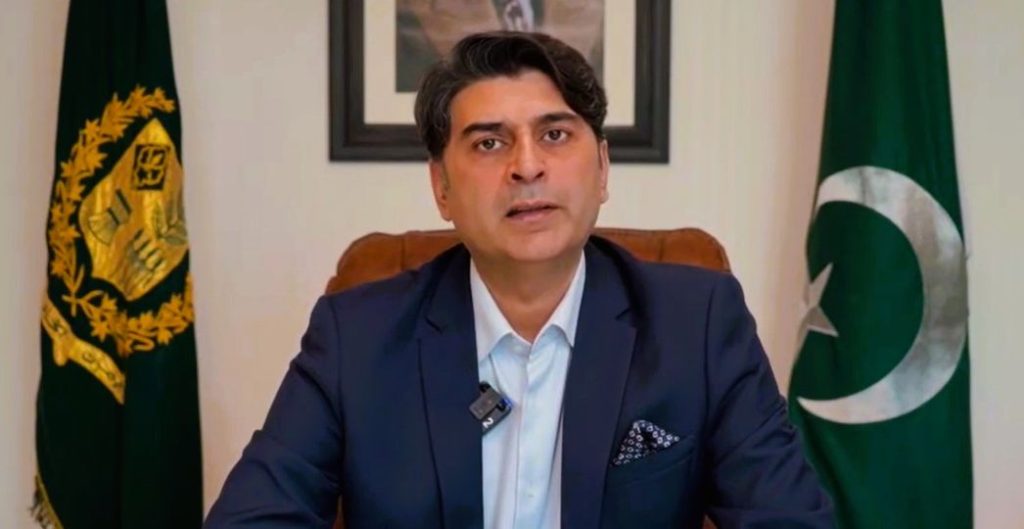
Ministry of National Health Services, Regulations and Coordination (NHSR&C) Dr Mukhtar Ahmed Bharath stressed the importance of digital health innovation, noting that Pakistan is expanding telemedicine, mobile health solutions, and data-driven systems to enhance healthcare delivery and accessibility.
He made these remarks, while addressing the 9th SCO Health Ministers’ Meeting, under the theme “State Policy of Prevention and Management of Public Health,” said a press release here on Monday.
Addressing the distinguished gathering, Dr Bharath expressed appreciation to the Government of Kyrgyzstan for its leadership as Chair of the SCO and commended its efforts in fostering regional collaboration in public health. He also acknowledged the SCO Secretariat for its role in organizing a productive and forward-looking meeting.
During his address, he also highlighted the potential for Shanghai Cooperation Organization (SCO) member states to collaborate in developing resilient and interoperable digital health systems. Reaffirming Pakistan’s commitment to regional cooperation, Dr Bharath emphasized the country’s resolve to work closely with SCO member states to promote health and well-being in line with the SCO Programme of Cooperation in Public Health and joint epidemic response strategies.
Highlighting Pakistan’s evolving health policy framework, the Minister underscored the country’s strategic shift from “sick care” to proactive, prevention-focused healthcare. He noted that Pakistan’s approach is guided by global commitments to strengthening primary health care and achieving Universal Health Coverage.
He also drew attention to ongoing challenges in maternal and child health, particularly in regions facing high fertility rates, malnutrition, and non-communicable diseases. He shared that the Government of Pakistan has recently drafted the National Health and Population Policy (2026–2035), aimed at strengthening primary healthcare systems and improving population health outcomes.
On regional health security, he reaffirmed Pakistan’s commitment to strengthening emergency preparedness and response capacities. He emphasized the importance of coordinated approaches, resource sharing, and innovation to effectively address public health emergencies and natural disasters.
He further highlighted the growing trend of Pakistani students pursuing medical education in SCO countries, particularly in Kyrgyzstan, where over 7,000 Pakistani students are currently enrolled in medical institutions. He underscored the importance of maintaining high standards in medical education and promoting academic exchanges to enhance mutual understanding and cooperation.
In his concluding remarks, Dr Bharath reaffirmed Pakistan’s commitment to advancing prevention-focused health policies, strengthening primary healthcare, and deepening collaboration within the SCO framework to achieve equitable and sustainable health outcomes.
On behalf of the Government and people of Pakistan, he extended a warm invitation to SCO member states for the next Health Ministers’ Meeting to be hosted in Pakistan in 2027.