ISLAMABAD
Pakistan-China $8.5 Bln in B2B deals have forged a new economic destiny, says a report carried by China Economic Net (CEN).The Second Pakistan-China B2B Investment Conference held here at China World Hotel on September 4th, with the atmosphere buzzing with activity.
Pakistani and Chinese executives exchanged greetings, “Ni hao” and “As-salamu alaykum,” as they explored joint business opportunities across different sectors, while discussions focused on how both sides could leverage each other’s strengths for mutual growth.
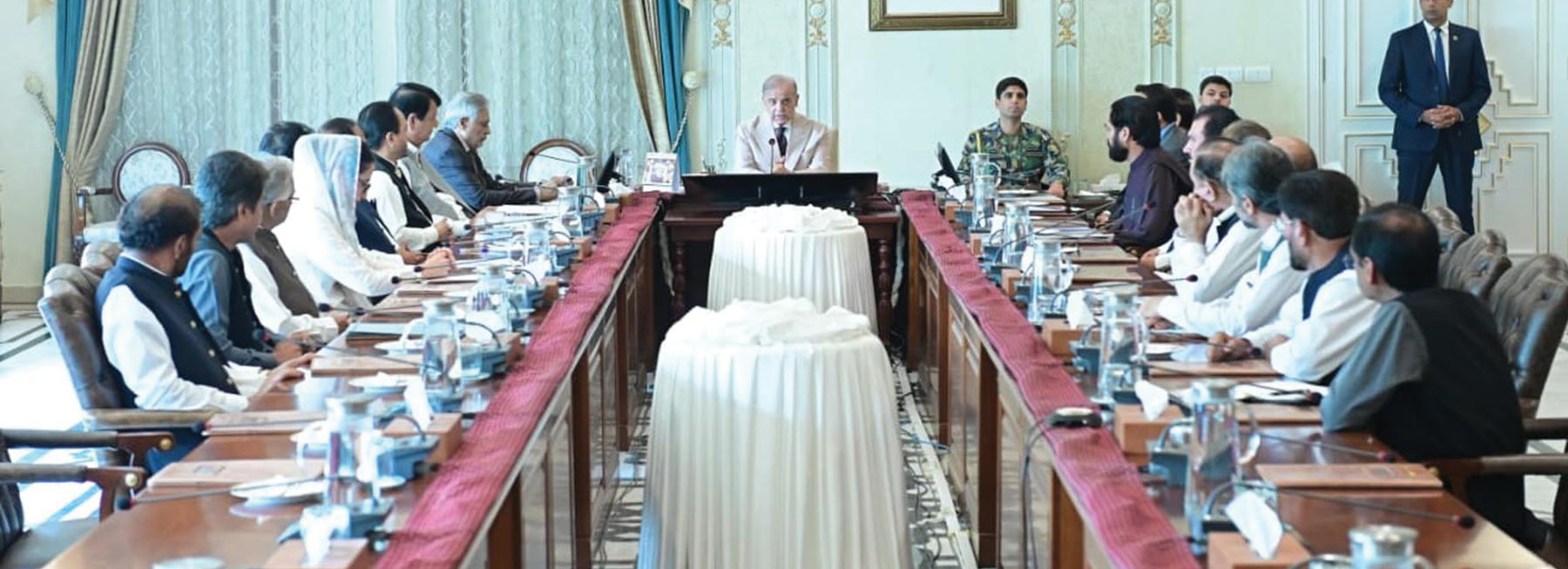
Tablets displayed factory tours and textile samples, and attendees exchanged contacts, scanned QR codes, and captured photos, their faces lit by phone screens.Amid this lively exchange, Pakistani Prime Minister Shehbaz Sharif took the stage, calling the developments a “long march of economic growth.”
Pakistan has a large workforce with significant potential, yet access to advanced machinery and technical training remains limited in some sectors. “Naming one technology won’t capture the challenge. It’s everywhere we need it. In textiles, we lack both the right machinery and trained staff.
Locally, jackets sell for $2–$4, but with proper equipment and expertise, we could produce high-end versions worth $80. The problem is, the skill to operate these machines isn’t here yet,” Osama Abid, CEO of Al-Hammd International, a 69-year-old textile company, put it frankly.
Instead of just one big deal, the signed accords painted a picture of a diversified and dynamic partnership that spanned a wide range of sectors.
The shared goal was simple, that is, to leverage China’s technological and industrial might to unlock Pakistan’s vast, and often untapped, potential.
Echoing this vision, Wang Zihai, Honorary Investment Counselor and Deputy Director General of the Pakistan (China) Economic Cooperation Centre (PECC), said that Chinese firms applying their domestic industrial experience in Pakistan could create a win-win solution—leveraging Pakistan’s abundant raw materials and labor while meeting local demand, all through the sharing of technology and expertise.
On the Pakistani side, the message was equally pragmatic. Engr. Asad Ahmed, CEO of the state-owned Pakistan Mineral Development Corporation, highlighted the opportunities for collaboration with Chinese companies in Pakistan’s mineral sector, particularly in iron, copper, critical minerals, and coal for steel production.
“We see strong prospects for rapid development of Pakistan’s mineral sector through Sino-Pak collaboration, potentially positioning the country as a major global producer, akin to Peru or Chile,” he added. Meanwhile, textile executives such as Kashif Mehtab Chawla of Al-Karam Textiles highlighted Pakistan’s existing advantages, including zero-tariff access to the EU under the GSP+ scheme, which makes the country an attractive export hub.
This opens opportunities for joint ventures and collaborations that benefit both Pakistani and Chinese companies. The conference also showcased progress on the financial front. Masoom Raza, CEO of Askari Shoes, said his company has started conducting transactions in Chinese yuan with Chinese partners, signaling a growing comfort with local currency settlements and closer commercial ties.