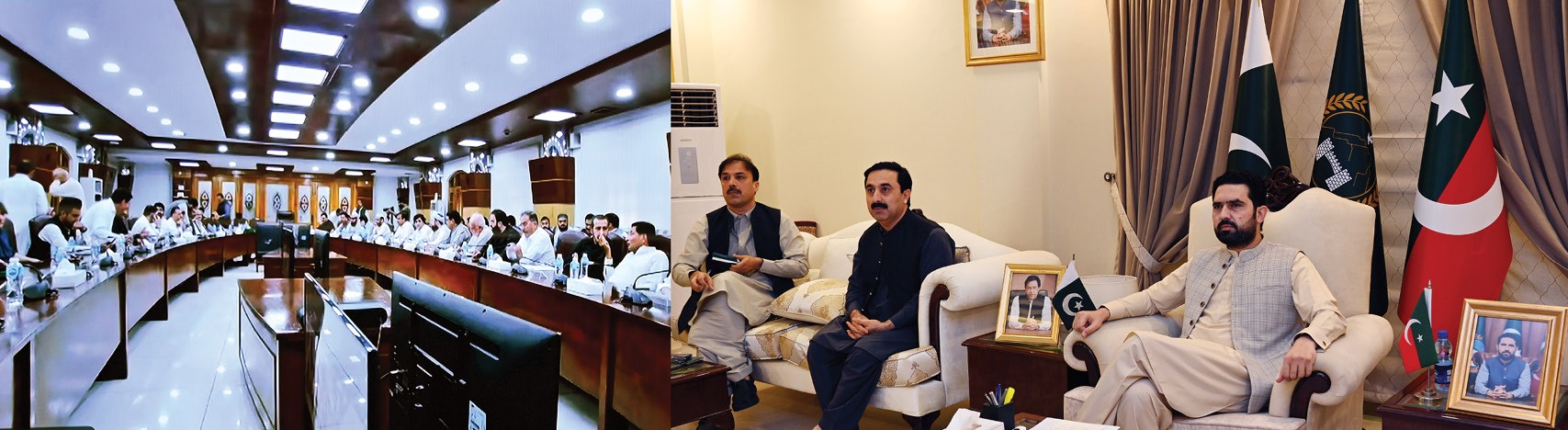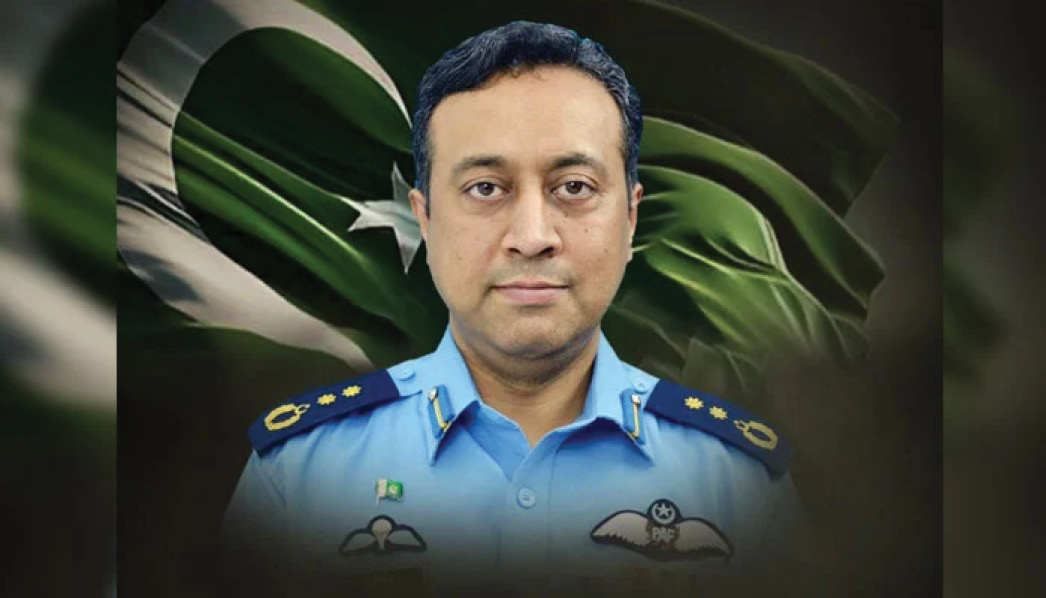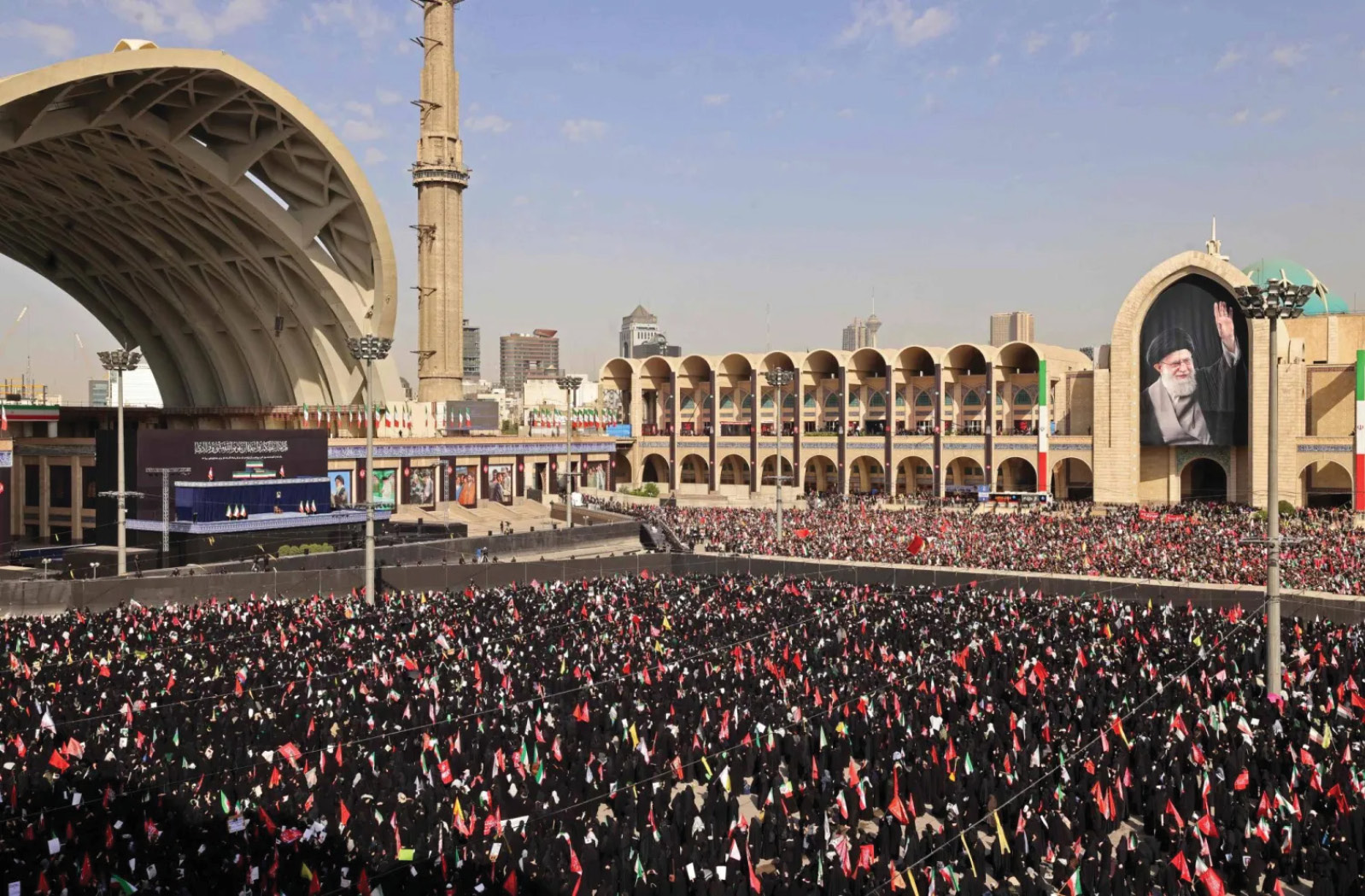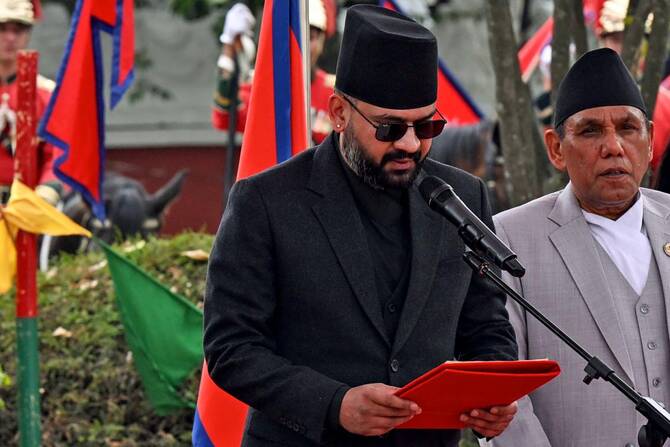
For decade, a persistent and well-funded propaganda by India aimed to portray Pakistan as a peripheral country that was unstable, untrustworthy, and a problem to be solved rather than a recognised partner. One of the most strategically important countries in the world was reduced to a footnote in international events, partly due to Indian diplomatic pressure and a carefully crafted narrative that marginalised and isolated Islamabad’s voice. But no propaganda and lobby could stop Pakistan from being the carrier of peace and flag bearer of dialogue over war.
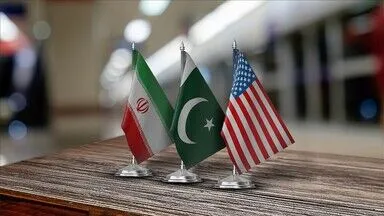
When the U.S. and Iran were on the verge of a war that may have affected the entire region and consequently the entire world. Pakistan came forward because it was called by geography, history, and a founding culture that has always prioritised the pursuit of peace over politics.
During those crucial weeks, Islamabad developed into a hub for impactful diplomacy, much like Geneva is for humanitarian law or Davos is for business. World powers came as parties looking for a reliable middleman, not as authorities offering an audience. Pakistani diplomats, seasoned, principled, and possessed of genuine relationships on both sides of the divide, worked with quiet urgency to construct a framework neither side could have reached alone.
In these crucial times, Pakistan has maintained something rare in modern statecraft: credibility and neutrality. History will record this moment of statecraft with precision, and the names at its centre will be remembered accordingly. Prime Minister Shehbaz Sharif brought to these negotiations a statesman’s patience and a strategist’s clarity, holding the process together at moments when domestic and international pressures conspired to pull it apart. His direction was firm, his vision consistently anchored to the long-term interests not just of Pakistan, but of regional stability.
But it is Field Marshal Asim Munir who deserves particular acknowledgement, and whose role history will regard as transformative. In an era when military establishments are too often portrayed as obstacles to peace, Field Marshal Munir demonstrated that institutional strength and diplomatic sophistication are not in contradiction. His strategic grasp of the regional equation, his understanding of both American security imperatives and Iranian red lines, and his personal credibility with interlocutors on all sides provided the backbone that professional diplomacy alone could not supply. He understood that Pakistan’s security is best served not by proximity to conflict, but by being the architect of its resolution.
Pakistan was not born into peace. It was forged in partition, in displacement and in the violence yet trauma, Mohammad Ali Jinnah articulated a vision of a Pakistan that would be a force for stability, a Muslim-majority democracy that would be a bridge between civilisations and faiths. Today’s government and military leadership of Pakistan has proved that promise has never been abandoned.
What Islamabad achieved in facilitating dialogue between Washington and Tehran is the manifestation of the promise. It is evidence that seventy-seven years of establishing institutions, preserving channels of communication across ideological divisions, and refusing to be defined exclusively by the biases have resulted in something genuine in the word order.
India has invested decades and considerable diplomatic capital to ensure that the world sees Pakistan through India’s eyes. It has found sympathetic ears in certain Western think tanks, certain editorial boards, and some parliamentary lobbies. But geopolitical reality is ultimately indifferent to lobbying budgets. The narrative of isolation has met the hard wall of strategic necessity built and nourished by Pakistan leadership over the years. This diplomatic win for Islamabad gives loud and clear message to world that Pakistan is not a nation to be managed or marginalised, it is a nation without whose engagement, the most consequential conversations of our time simply cannot take place.
Pakistan’s role in this crisis must not be treated as a one-off achievement to be acknowledged and then forgotten. It must become the foundation of a reoriented international engagement, one in which Islamabad is recognised as the diplomatic capital it has proven itself to be. We must build on this moment, institutionalising Pakistan’s role in regional security architecture, deepening our engagement with both Gulf states and Central Asian partners, and establishing Islamabad as a permanent forum for dialogues between powers, as a state Pakistan has always believed in the power of dialogue and chose peace over war.
Our task now is to ensure that the world comes to Islamabad because it is the obvious, natural, and irreplaceable home of serious diplomacy in a turbulent century.