PESHAWAR
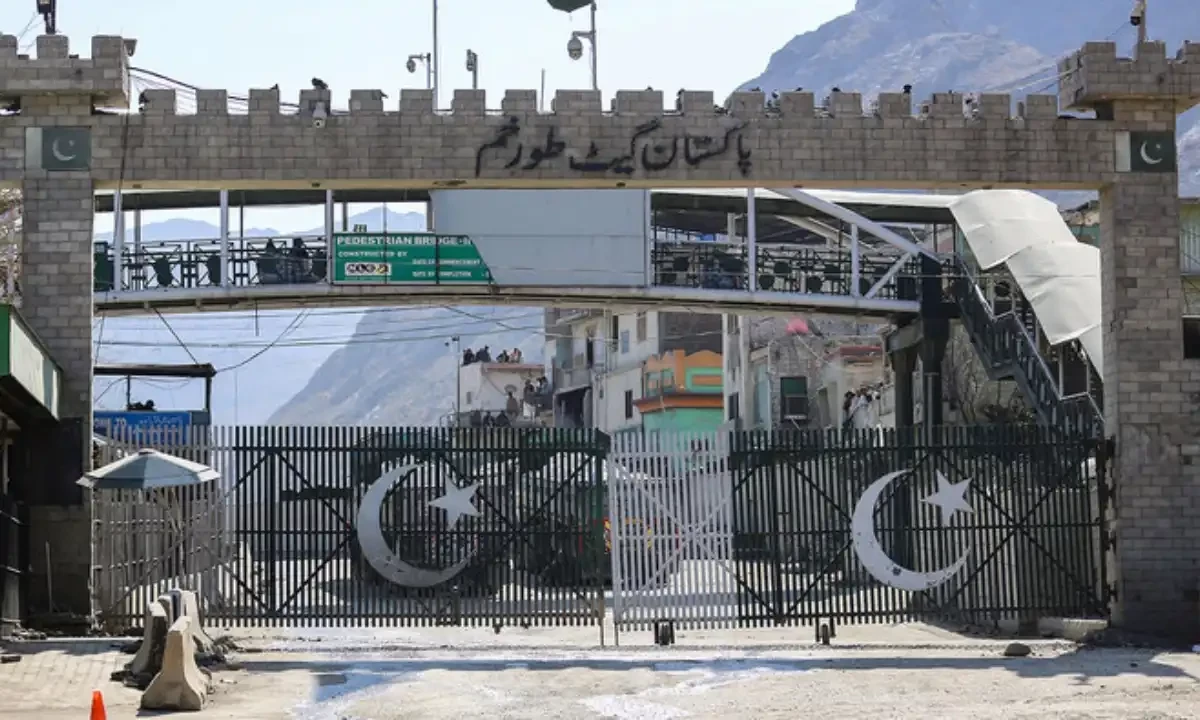
The Khyber Pakhtunkhwa government has decided to partially open the Torkham Border in order to expedite the process of repatriating Afghan refugees residing in the province and has issued instructions to district administrations in this regard.
According to border sources, regular meetings are being held under the chairmanship of the Additional Chief Secretary for Home Affairs to review progress on the repatriation process.
Previously, the provincial government’s stance differed from the federal policy and the progress was not formally documented. However, the province is now implementing the federal policy and has decided to speed up the process.
Deputy Commissioners have been directed to visit areas where Afghan refugees are residing and advise them to return to Afghanistan as soon as possible.
Authorities have also been instructed to ensure all necessary arrangements at the Torkham border for the repatriation process. Sources warned that strict action may be taken against those who fail to comply.
Meanwhile, the provincial government has approved the partial reopening of the Torkham border. It will not be opened for general public movement but for specifically organized convoys returning refugees to Afghanistan.
In the first phase, Afghan prisoners currently held in jails will be repatriated. According to official sources, over 1,000 Afghan prisoners are in Peshawar Central Jail, while around 1,200 are in Kohat and Haripur jails.
The government incurs daily expenses of millions of rupees for their upkeep. Rising numbers of prisoners, visits by their families and security concerns have prompted urgent action.
Initially, prisoners will be transferred to Nasir Bagh camp for registration before being sent back to Afghanistan in organized convoys via the Torkham border. Strict security arrangements have been put in place and Khyber Police will provide full security from Jamrud to the border.
Officials stated that refugee convoys are likely to begin departing from tomorrow.
In the second phase, refugees living in camps will be repatriated, followed by those residing illegally in various cities during the third phase. The government has emphasized that the entire process will be carried out in a dignified and organized manner.