LAHORE
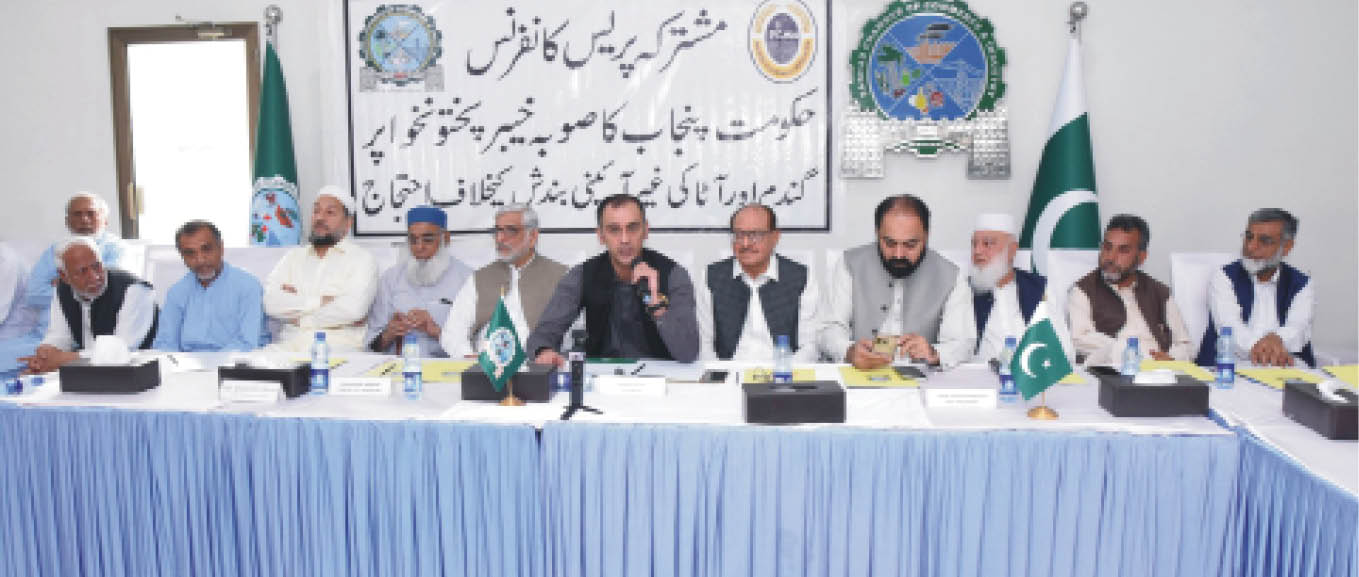
The Ferozepur Road Industrial Association (FRIA) has strongly condemned the surge in petroleum and gas prices, warning that the back-to-back increases will severely worsen the already unsustainable cost of doing business in Pakistan, further damaging industrial productivity and export competitiveness.
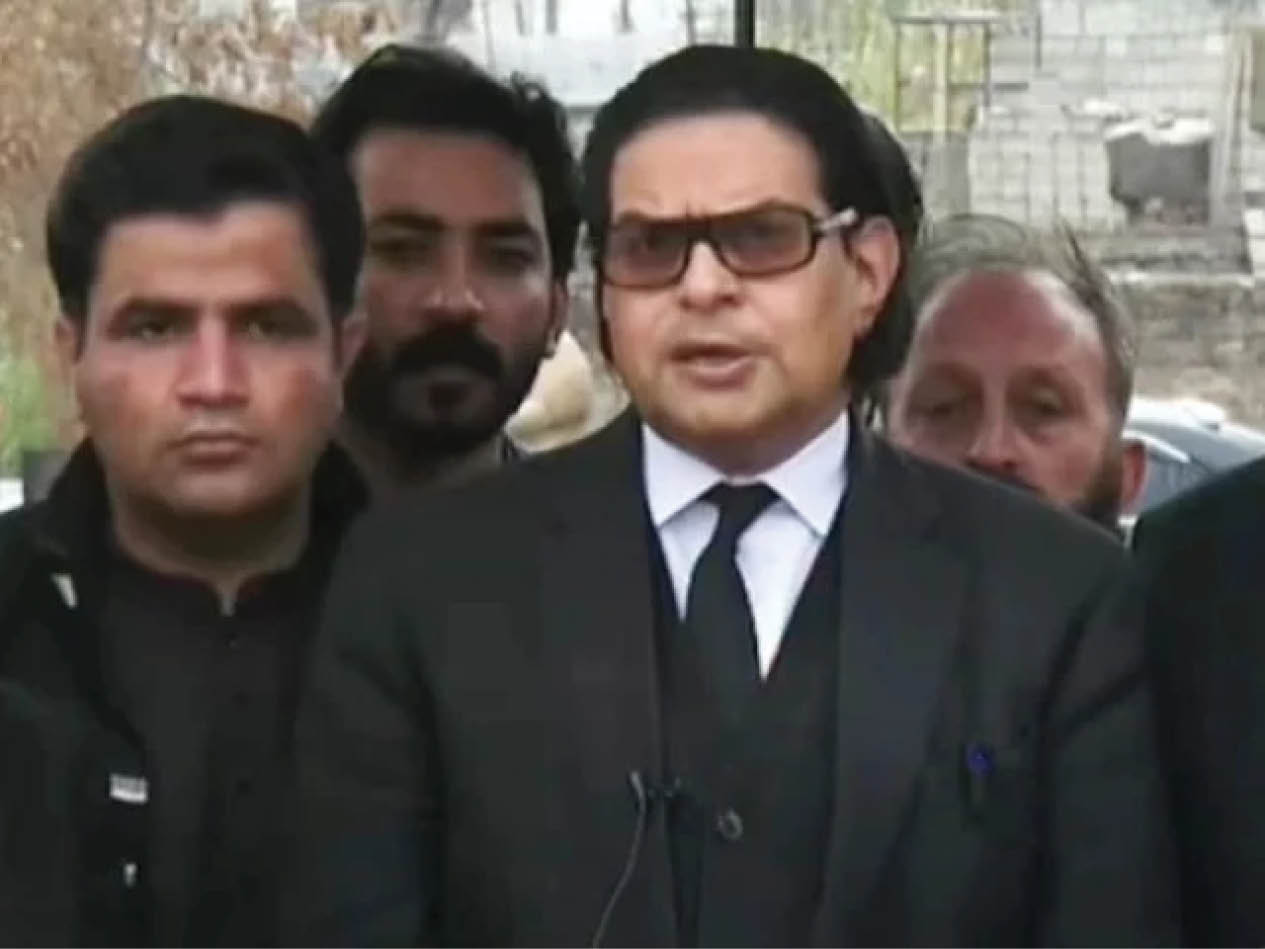
FRIA Chairman and PIAF leader Shahbaz Aslam said the hike in petroleum product prices, announced just yesterday, coupled with a 10% increase in gas tariffs for industrial and power-sector consumers, is a double shock to the manufacturing and export sectors. “These price hikes will lead to a ripple effect across all industries, increasing the cost of raw materials, transportation, and electricity—ultimately making Pakistani products more expensive and less competitive,” he said.
He noted that the gas tariff for general industry has been raised from Rs2,150 to Rs2,350 per MMBTU, while bulk consumers will now pay Rs3,075, up from Rs2,900. Power generators will face a sharp rise from Rs1,050 to Rs1,313 per MMBTU, effective July 1, 2025.
Shahbaz Aslam emphasized that energy remains the single largest cost component in production, particularly in value-added sectors like textiles and engineering. “Combined with the latest oil price hike, these measures will trigger inflation, reduce production capacity, and push many SMEs toward closure,” he warned.
He criticized the government’s economic decision-making, saying it lacks consultation with industrial stakeholders and ignores the ground realities of doing business amid rising inflation, high interest rates, and a volatile exchange rate. He also reiterated FRIA’s longstanding demands for regionally competitive energy tariffs, early refund payments, liberalized import policies for industrial inputs, and nationwide tariff uniformity.
The FRIA leader further called for a rollback of the petroleum and gas price hikes or, alternatively, the introduction of targeted energy subsidies for export-oriented sectors to help maintain international competitiveness. “If input costs keep climbing unchecked, the industry will face shutdowns, massive job losses, and failure to meet export targets,” he said.
He also urged the government to address bureaucratic red tape, including inefficiencies in institutions like EOBI, Social Security, and Environmental departments, which he said are adding further strain on industrial operations.
In addition, Shahbaz Aslam stressed the importance of upgrading industrial infrastructure, digitization, and diversification to access new export markets. He said Pakistan must move toward value-added exports instead of relying on raw material sales if it is to fully leverage international trade incentives such as the EU’s GSP+ scheme.
“FRIA urges immediate and practical measures to reduce the cost of doing business and revive industrial momentum, which is Pakistan’s strongest pillar for sustainable economic recovery, employment generation, and foreign exchange earnings,” he concluded.