Islamabad
The Pakistan Institute of Development Economics (PIDE) has warned that the Iran-Israel conflict is having immediate and structural economic implications for Pakistan, particularly through oil markets, inflation expectations, and financial market volatility.
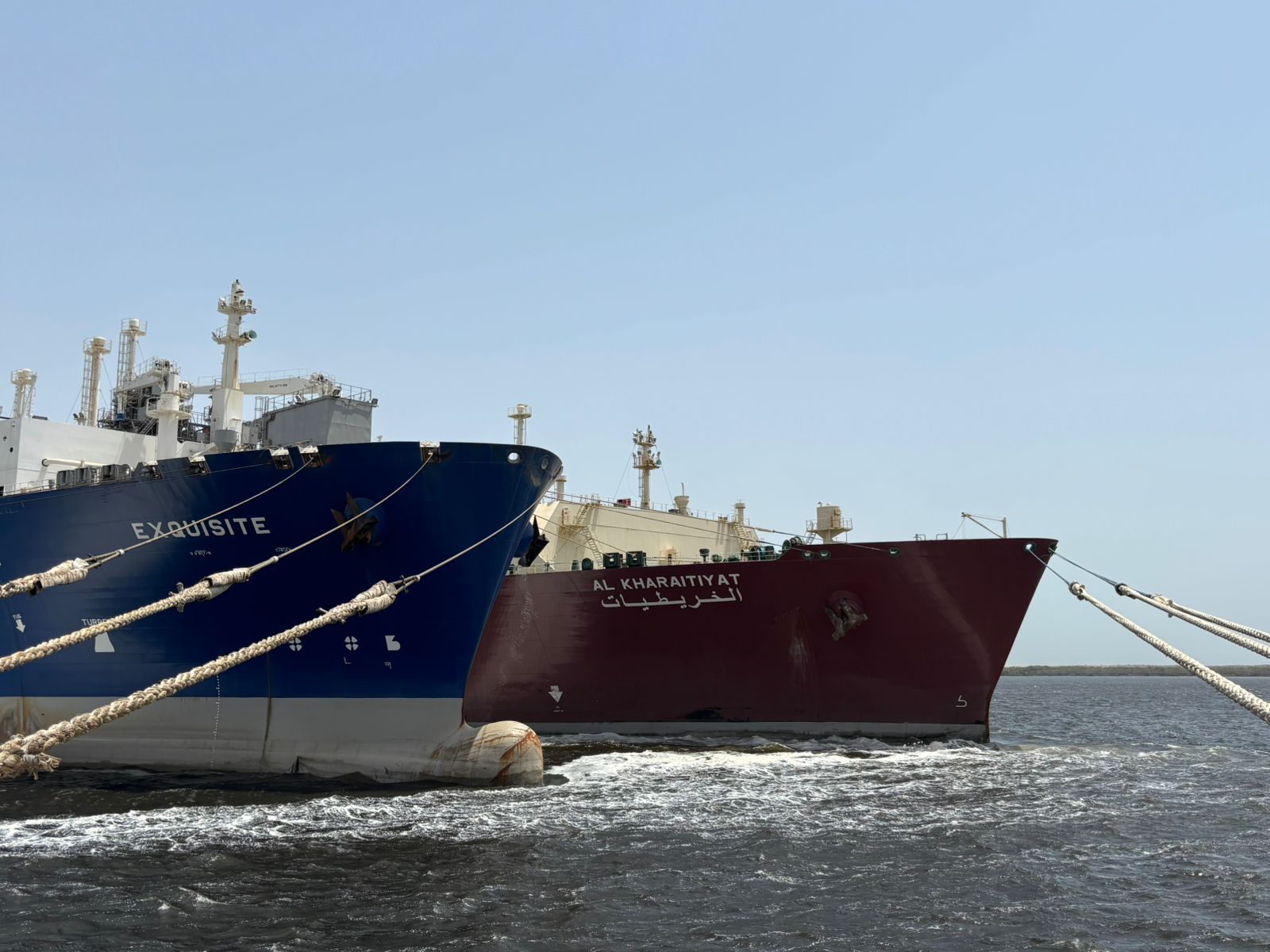
In a policy viewpoint titled “From the Strait of Hormuz to the PSX: What the Iran-Israel War Reveals About Pakistan’s Economic Vulnerability,” authored by Dr. Ahmad Fraz, the report states that Pakistan’s exposure goes beyond rising oil prices due to its dependence on Gulf energy routes.
The study notes that even limited disruptions in the Strait of Hormuz can rapidly increase import costs, inflation, external account pressures, and financial uncertainty in Pakistan. It highlights that the Pakistan Stock Exchange has already reflected volatility and uneven recovery patterns, indicating investor concerns over broader macroeconomic risks rather than short-term shocks.
According to the analysis, banking sector stocks have shown sustained pressure due to inflation and credit risks, while energy-related sectors displayed relative resilience but remained exposed to systemic risks.
The report emphasizes that financial markets act as early indicators of economic stress, responding faster than official data to expectations of inflation, exchange rate pressures, and rising costs. It also warns that even moderate disruptions in Gulf energy flows could significantly worsen Pakistan’s import burden and external balance.
PIDE has recommended policy measures including improved risk disclosure frameworks, a Gulf shock monitoring dashboard, and stronger energy contingency planning. It further stressed the need for long-term reduction in energy import dependency to enhance economic resilience.