Asif Zahir Gondal
After twenty-two years of struggle and several years in power, Pakistan Tehreek-e-Insaf still has not matured into a genuine political party. It remains, in reality, a fan club centred on one man. Political parties naturally create loyalty to their leaders, but a party is more than its chief. A party is an institution with processes, decision-making forums, and a coherent plan. None of these elements can be seen here. What exists instead is one individual at the centre and a crowd of admirers who revolve around him with uncritical devotion. Any political organisation should feel alarmed at becoming known in this way.
PTI today resembles a cult. It has no need for principles or arguments. What Imran Khan says becomes the principle. His statements are treated as the final argument. His decisions are not assessed on the basis of law, ethics, or logic. Instead, law, ethics, and logic are expected to bend until they match his preferences. The only standard that seems to matter now is what Imran approves or rejects. As a party, PTI appears to have no philosophy or policy beyond the belief that whatever Imran Khan declares must be accepted as truth. The attitude has become that the destination is unimportant. Only the leader matters. The line between right and wrong is drawn according to the side on which Imran is standing.
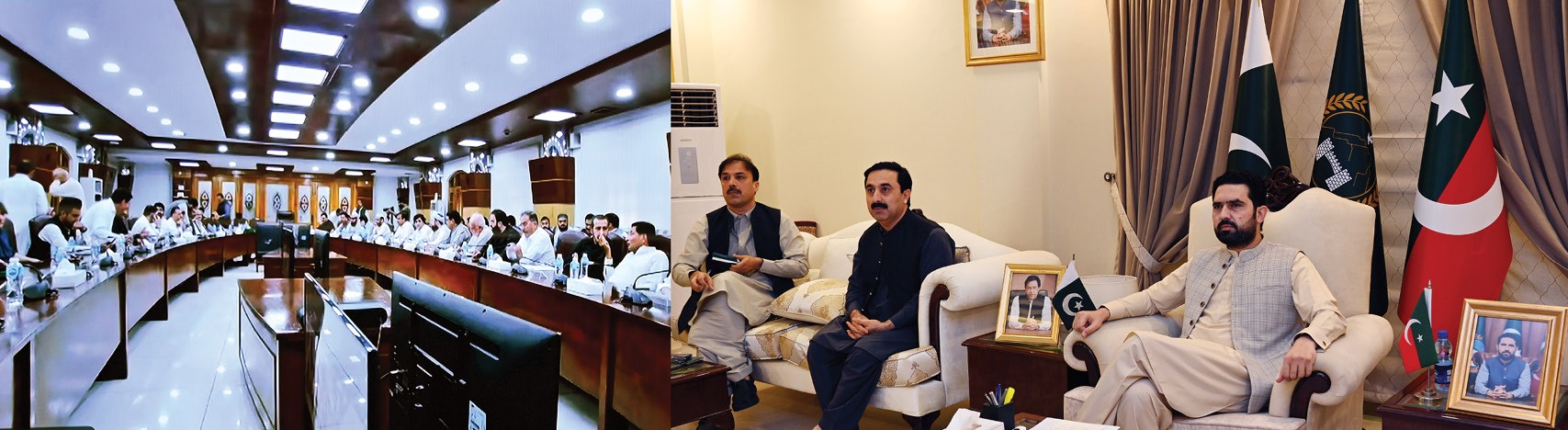
This transformation is troubling. The party has a chairman on paper, Barrister Gohar, but his presence makes no noticeable difference. All authority still rests with Imran. Even in Khyber Pakhtunkhwa, the chief minister delays forming a cabinet because he waits for Imran’s guidance instead of consulting his own chairman. The question is obvious. Why not take direction from the person appointed to lead the party? What purpose does the position of chairman serve if no one respects it?
No one knows how major decisions are taken. No one knows who runs Imran’s social media account. Occasionally, stories emerge claiming he made important choices under the influence of mysterious spiritual forces. These claims now appear in international media as well, causing embarrassment as they suggest that a former prime minister allowed key decisions to be dictated by his spouse. Who can say whether he is still under similar influence or under the influence of others?
When crucial decisions of a political party are issued from a prison cell and chief ministers are appointed or dismissed from there instead of through a central executive committee, the entire structure of a political party collapses. What remains is the will of a single man.
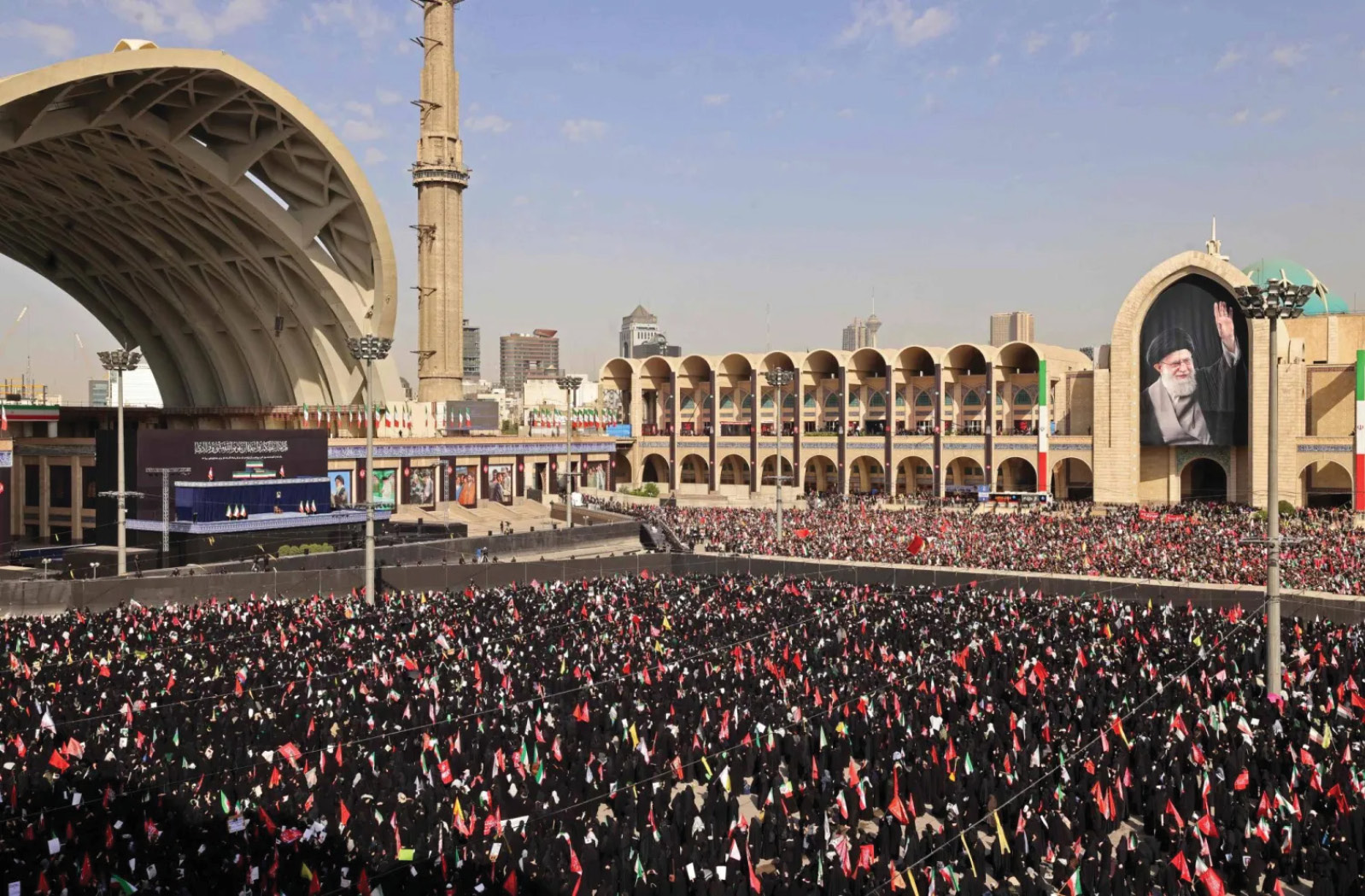
In this environment, nothing else seems to matter. State institutions, the national economy, public order, foreign affairs, and national security all appear secondary to the preferences of one individual and his devoted followers. Overseas supporters make the picture even clearer. Their slogans suggest that if Imran is not present, they will stop sending remittances. As if their financial support is meant for their hero and not for their families. Loyalty now revolves around one personality. Anyone who disagrees, whether a person or an institution, becomes a target. The situation feels like a quiet volcano waiting to erupt.
The production of post-truth propaganda continues with remarkable confidence. Fake social media accounts of well-known public figures are created to spread praise, and these fabrications are then circulated until they turn into trends. Even Goebbels would have been surprised by the boldness of these tactics.
Performance has become irrelevant. A chief minister was removed in KP and another installed, yet no one explained what the outgoing chief minister achieved or what targets the new one intends to pursue. Governance does not matter. The cult does.
Instead of focusing on performance, an easier route has been chosen. The route of anger, hatred, and emotional manipulation. Young people have been filled with bitterness. No one asks about delivery or results. The most celebrated individuals are those who can hurl the most abuse at political opponents. A few slogans and a burst of emotion are presented as a political vision. Society has been pushed into imbalance. Hostility has been planted in the public mind. It forces one to ask a simple question. What kind of politics is this?
The writer is a freelance columnist.