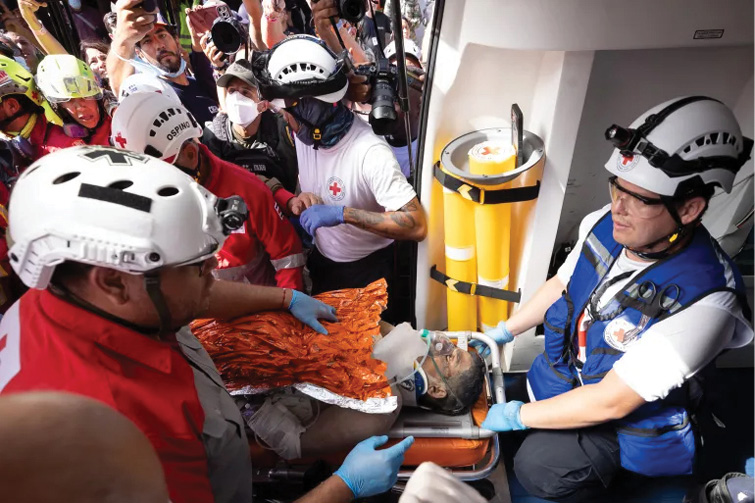
In August of last year, Pakistan faced a watershed moment that left indelible scars on its landscape and its people. The devastating floods that swept across the nation were not only a natural disaster but a humanitarian crisis of immense proportions. Among the most vulnerable victims were the children of Pakistan, whose lives have been forever altered by this cataclysmic event.
According to the United Nations International Children’s Emergency Fund (UNICEF), the statistics are harrowing. Eight million people, with nearly half of them being children, found themselves in flood-affected districts, deprived of basic amenities, including access to safe water. Over 1.5 million children required life-saving nutrition interventions, and the financial support needed to meet these demands remained far from adequate, with UNICEF’s appeal of $173.5 million for life-saving support being only 57 percent funded.
Even before the floods, Pakistan was grappling with significant challenges in providing for its children. A third of these young minds were already out of school, malnutrition was approaching emergency levels, and access to safe drinking water and sanitation was dangerously low. The floods exacerbated these issues, pushing vulnerable communities to the brink. In the past year, UNICEF has heroically screened 2.1 million children for severe acute malnutrition, admitting 172,000 of them for lifesaving treatment. However, the sheer scale of the problem continues to dwarf the available resources. In the wake of this disaster, UNICEF’s call to action is loud and clear. The government and its partners must significantly increase and sustain their investment in basic social services for children and families. A climate-resilient system must be constructed to bridge equity gaps and shield communities from the growing threat of climate shocks. Pakistan cannot afford to forget its children. The floodwaters have receded, but the struggles persist in this climate-volatile region.
Last year’s floods submerged a third of Pakistan, affecting 33 million people, half of whom were children. Critical infrastructure, including 30,000 schools, 2,000 health facilities and 4,300 water systems, suffered severe damage or complete destruction. This climate-related disaster has only deepened pre-existing inequities for children and families in the affected regions.
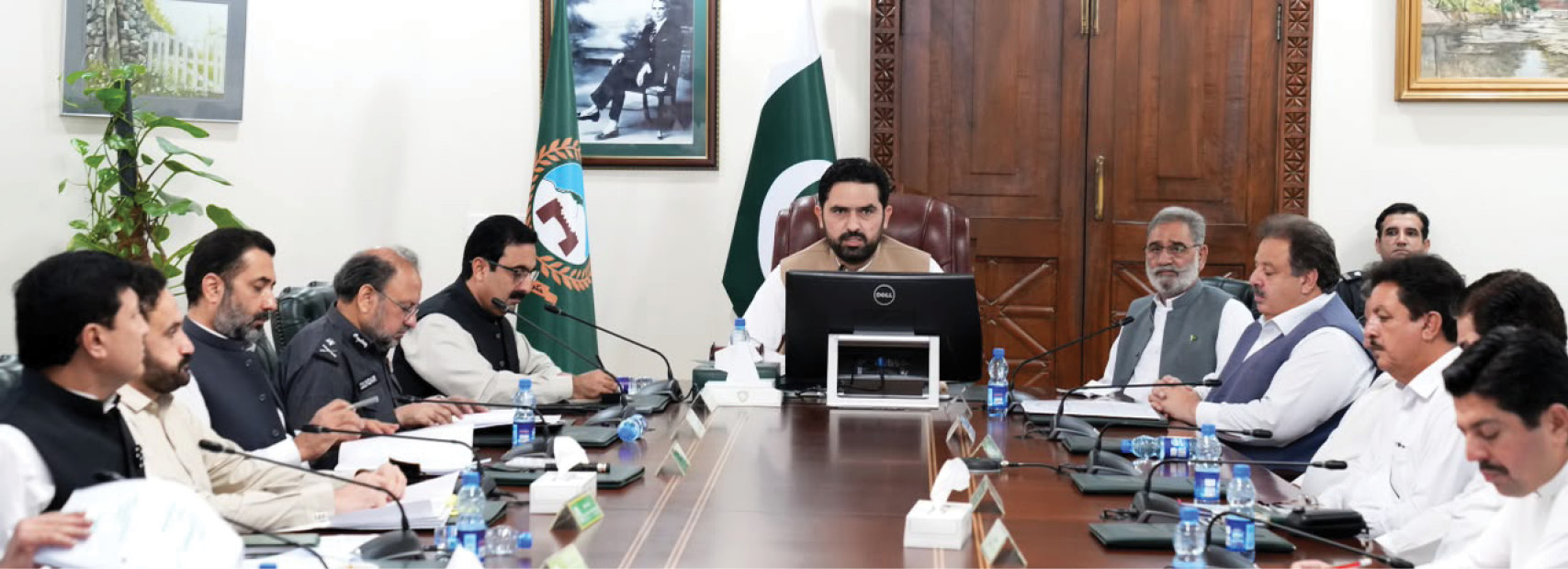
Adding to the complexity of the situation is the unfortunate reality that despite the catastrophic natural calamities, political parties in the country continue their political maneuvering. It is imperative that all major political parties, along with the incumbent government and relevant authorities, urgently unite to formulate a comprehensive strategy to address the threats faced by those affected by last year’s devastating floods, with special attention to the children who are among the most vulnerable.
In light of UNICEF’s findings, the government should pledge its commitment to the full rehabilitation of every child affected by the flood. Resources must be made available expeditiously to protect men, women, and children from further health complications and to ensure a brighter and more secure future for the young minds of Pakistan. The time for action is now, and the children of Pakistan are relying on the nation to rise to this monumental challenge.