The 2025 floods are not an act of God. Well, they are, but they are also the predictable outcome of a state that has re®fused to learn from its own recurring catastrophes. From the super floods of 2010 to the biblical devastation of 2022, Pakistan was handed chance after chance to build resilience. Each time, the waters receded, so did political will. Now, with more than a thousand lives lost and millions displaced, the price of neglect is being paid once again.
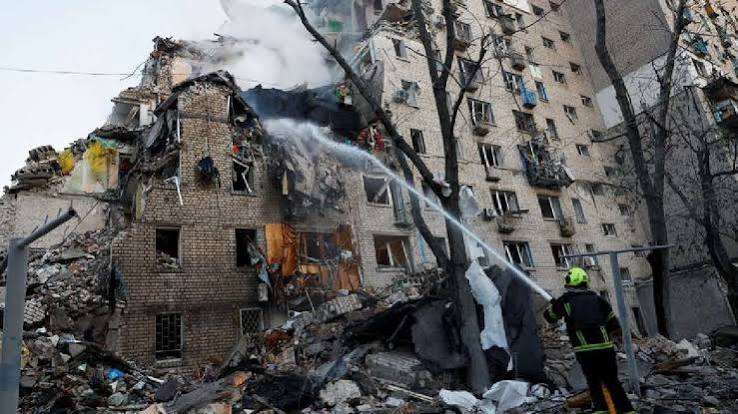
The scale of human suffering is immense. Millions have been affected, and hundreds of thousands are crowded into shelters where stagnant pools breed malaria, dengue and diarrhoeal disease, with the spectre of cholera looming. In Punjab, the country’s breadbasket, vast acreages of rice, cotton, maize and sugarcane are under water. Livestock has been wiped out, food stocks destroyed, and inflation is already biting as markets run short of staples. What ought to be a story of relief has instead become one of hunger and disease.
None of this was unforeseeable. Every major flood has produced solemn promises of early warning systems, resilient housing and better river management. Plans exist on paper, yet implementation falters in practice. The default remains evacuation and short-term relief. Once again, Pakistan is relying on tents and handouts where it should have invested in prevention and resilience. The floods also lay bare a deeper fiscal malaise. Almost half of the federal budget is swallowed by debt servicing, leaving only scraps for disaster management. With reserves perpetually low, the government is once again forced into talks with international lenders to finance relief and reconstruction. This cycle has become as predictable as the monsoon itself.
Worse still, inequity poisons the political response. Large landowners have long avoided agricultural taxation, and crises such as this are often used to demand further exemptions. Meanwhile, small farmers, whose livelihoods have literally washed away, are left without compensation. A state that refuses to build a fair tax regime will never have the resources to invest in the resilience it needs.
The alternative is neither unknown nor unaffordable. Community-led housing, restored wetlands, reforestation and floodplain management are proven defences. They cost less than repeated reconstruction and deliver far greater returns in safety, food security and ecological balance. What is required is trust in communities and the courage to depart from failed engineering quick fixes.
The waters will go down and the cameras will move on. Unless Pakistan breaks this chain–fiscally, politically, socially–the next deluge will not only wash away homes and fields. It will wash away what little public trust remains.