LANDIKOTAL
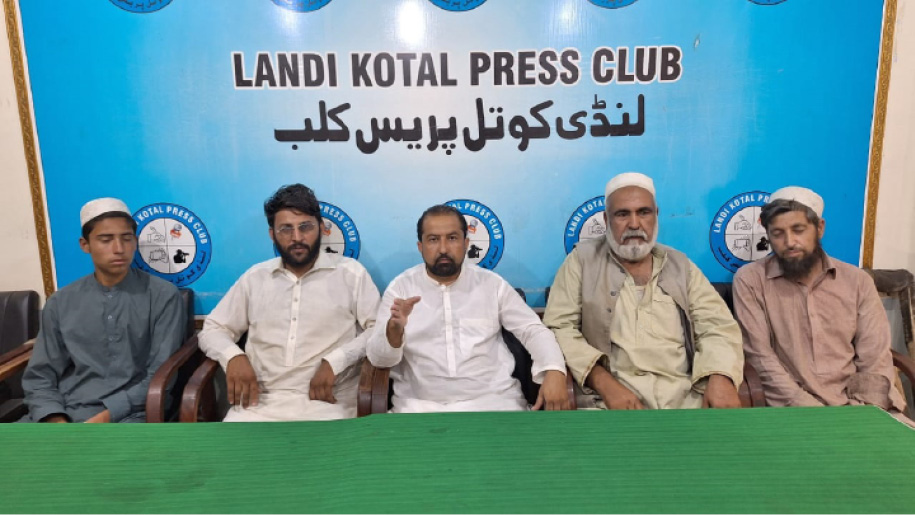
Local elders condemned the corrupt practices at NADRA’s women center and demanded inquiry against the involved staff.
They said that Nadra staff take pribe from women of remote areas of Bazar Zakhakhel, Shalman and Pasidkhil, are being coerced into paying bribes ranging from 10,000 to 20,000 rupees by agents stationed outside these centers.
They said that Nadra agents demand additional documents such as birth, school certificate and medical certificates which were often unattainable, exploiting the urgent and difficult circumstances of these women.
The leaders called for immediate intervention by the Deputy Commissioner of Khyber, the Assistant Commissioner, and the Nadra director general to address these issues and remove the corrupt agents from the CFC centers.
During the press conference, the elders said how women from distant villages travel long hours, spending up to 2,000 rupees on transportation to reach the Landikotal Nadra center. They said upon arrival, they were being confronted with demands for various certificates that are difficult to obtain, which delays their process and forces them into dealing with corrupt agents.
“These agents, allegedly affiliated with the Nadra staff, exploit the women’s desperation by charging exorbitant fees for expedited services” elders said. The leaders also criticized the local councilors, accusing them of turning a blind eye to these practices. They claimed that many councilors have set up kiosks at the centers, where their associates collect bribes in exchange for processing forms and then refer applicants to the councilors for further assistance.
The elders urged the authorities to investigate these allegations and take corrective measures to ensure fair and efficient service delivery. They emphasized the need for systemic changes to prevent the exploitation of vulnerable populations and to uphold the integrity of Nadra’s operations.
The call for action highlights ongoing frustrations with the administrative inefficiencies and corruption impacting the region’s residents, particularly women, who face additional hardships in accessing essential services.