Muhammad Asif Aasi
Islamabad
Some mountains rise high. Others rise in meaning.
Takht-e-Sulaiman does both.
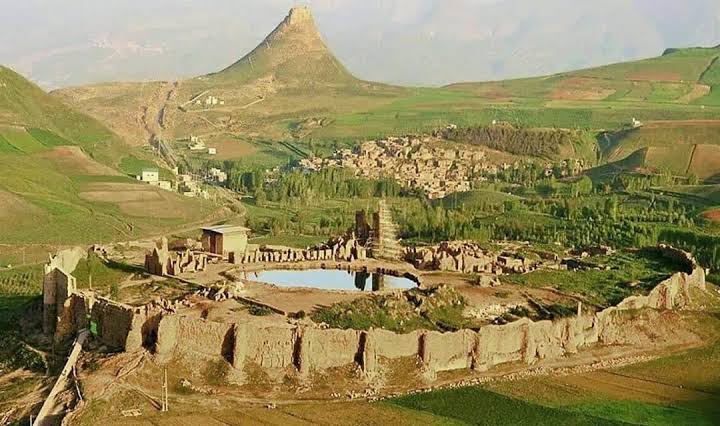
Tucked within the solemn winds of Loralai, Balochistan, this majestic peak stands tall at 3,487 meters, not just as a geographical elevation — but as a sacred symbol of divine history. Its name means The Throne of Solomon, and its legacy is as grand as its height.
Legend tells us that Prophet Sulaiman (Solomon), peace be upon him, once stood here. It was from this very peak, they say, that he gazed upon his vast dominion — a kingdom unlike any other, one that bowed the winds, tamed the jinn, and spoke to the birds.
Here, orders from heaven descended.
Here, creatures of all kinds lined up in silence.
Here, power stood in humility before its Creator.
Ancient Persian, Arabic, and local Pashto traditions echo the same tale — of a prophet who communed with God in solitude atop this mountain. When God promised him a reign no one would ever have again, perhaps it was here that the words were carved into time, and into stone.
Centuries passed. The prophet returned to his Lord.
But the mountain remained — as if still waiting for the footsteps it once bore.
Today, locals consider Takht-e-Sulaiman a place of blessings. Pilgrims visit. They pray, they whisper wishes, and they leave with a calm they can’t quite explain.
But here’s the real question:
What have we done for this sacred place?
No roads.
No visitor center.
No guided tours, no accommodation, no effort.
Just a silent throne gathering dust while the world races past it.
This is not just a missed opportunity for tourism.
This is a neglect of identity, a dismissal of heritage.
While other nations polish every stone that whispers of their past, we have let a prophet’s throne fade into wilderness.
Takht-e-Sulaiman teaches us something far more valuable than history.
It reminds us that power is meaningless without submission.
That true greatness bows before the One who gave it.
If Prophet Sulaiman — with all his unmatched might — would humble himself in worship atop this mountain, then who are we to live in arrogance?
This mountain doesn’t just rise above the clouds —
it rises above time, above ego, and above apathy.
In Closing:
Takht-e-Sulaiman is not just a mountain.
It is a mirror held up to a forgetful nation.
It calls out — not for tourists, but for recognition.
Not for applause, but for respect.
And maybe, just maybe, if we listen closely, we’ll hear it telling us:
You are not just people of dust.
You are heirs to divine legacy.
Stand tall — not in pride, but in remembrance.
Like your prophet once did.