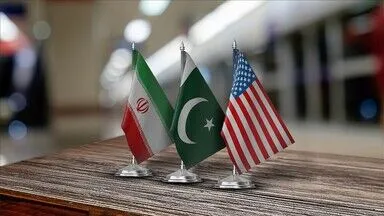
The United States Congress has passed its 2017 National Denfense Authorisation Act, in which $900 million have been sanctioned for Pakistan as its reimbursement for supporting the US military operation in Afghanistan. However, $400 million out of these would only only be accessible to Pakistan if it gets a ‘good conduct’ certificate from the US defence secretary. The criteria for this certificate is fourfold, but all of it centres on demonstrable action against the Haqqani network on part of the Pakistan government as well as restricting the space for it to conduct its operations through Pakistan. The mantra of “do more” by the US is unmistakably finding concrete ways of expressing itself and the US is using the best card that it has in this regard: the threat of withholding aid.
Leaving aside the intricacies and the manoeuvrings that are play here, the fundamental lesson for Pakistan in all of this is breaking free from the cycle of dependency on the US. This is no way an endorsement of any alleged inaction against the Haqqani network as terrorism in all of its forms must be condemned and eliminated. However, such a brazen show of condescension by the US does not augur well for the image of Pakistan in the international comity of nations. In addition to implicitly incriminating Pakistan it even openly purports the carrot and stick method that the US is using here. The reasons for this aid dependance are often debated ad nauseum but most of these analysis mostly miss the underlying institutional trajectory that has brought Pakistan to where it stands today. And the international factor is key to understanding that institutional trajectory.
The system in which Pakistan initially charted its course was one in which the United States and the Union of Soviet Socialist Republics (USSR) were contesting with each other to woo strategic, developing countries to their own camps. The lack of industrial base in the region that constituted Pakistan and the threat from India made Pakistan a willing partner to join the US camp in exchange for military and development aid. However, Pakistan’s security imperatives led to the security being emphasised more than development aid and this resulted in a strengthened military that was unable to be sustained by the underdeveloped economy underneath. Hence, the military’s requirements had to be increasingly serviced by the US, while the economy failed to grow at the same rate.