TEHRAN
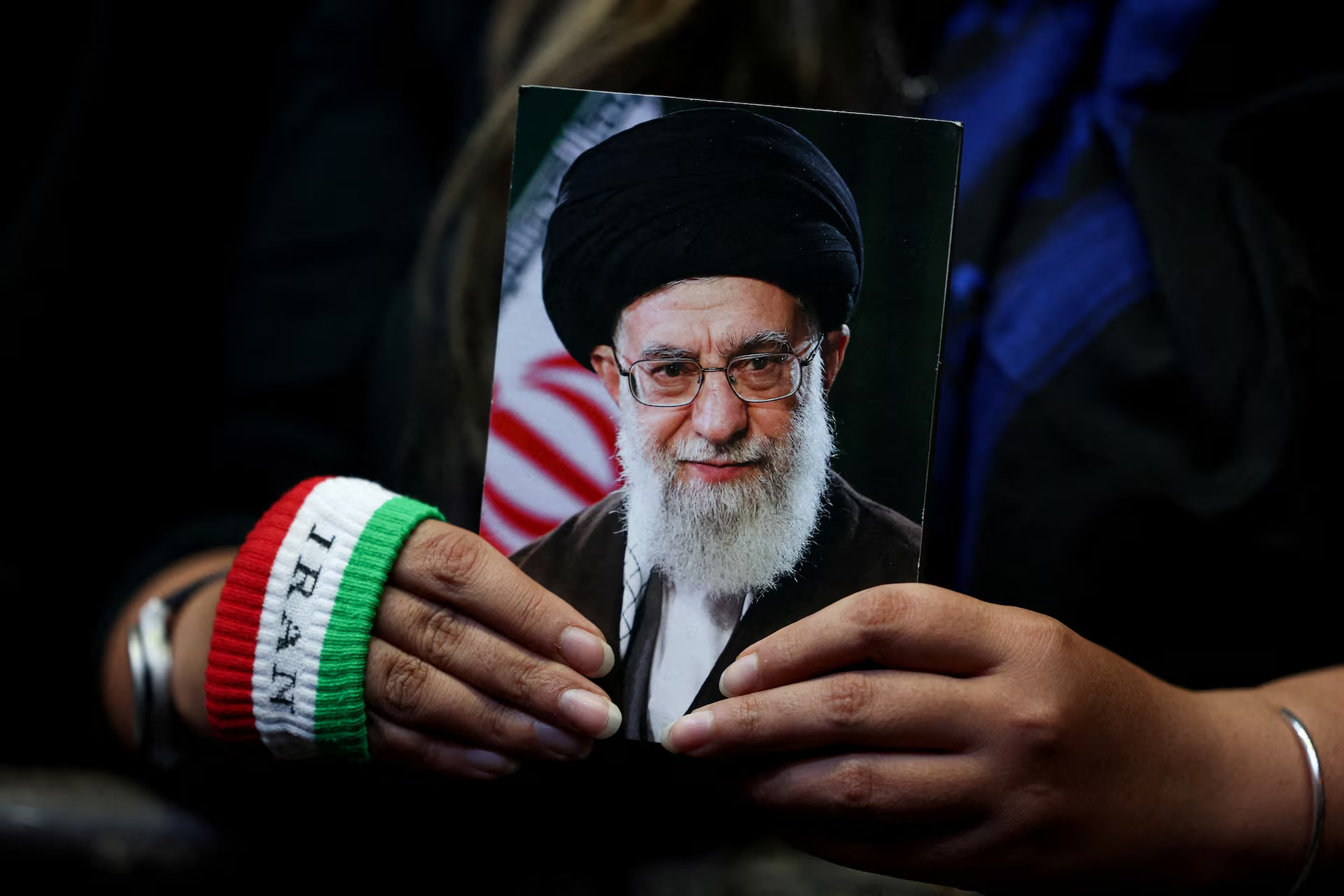
The escalating US-Israel-Iran war, now in its third week as of March 15, 2026, continues to intensify with direct threats, military strikes, and widening regional implications. Iran’s Islamic Revolutionary Guard Corps (IRGC) has issued a stark vow to “pursue and kill” Israeli Prime Minister Benjamin Netanyahu, labeling him a “child-killing criminal.” In statements via Sepah News, the IRGC declared they would continue the pursuit “with full force” if he remains alive, amid rumors and speculation about his status.
This threat follows Netanyahu’s own warnings and comes as missile exchanges persist. Tehran has escalated warnings to civilians in the United Arab Emirates, urging immediate evacuation of major ports including Jebel Ali (Dubai), Khalifa (Abu Dhabi), and Fujairah. Iranian military statements claim these sites host US “hideouts” or missile launch points used in strikes on Iranian facilities like Kharg Island, declaring them “legitimate targets.”
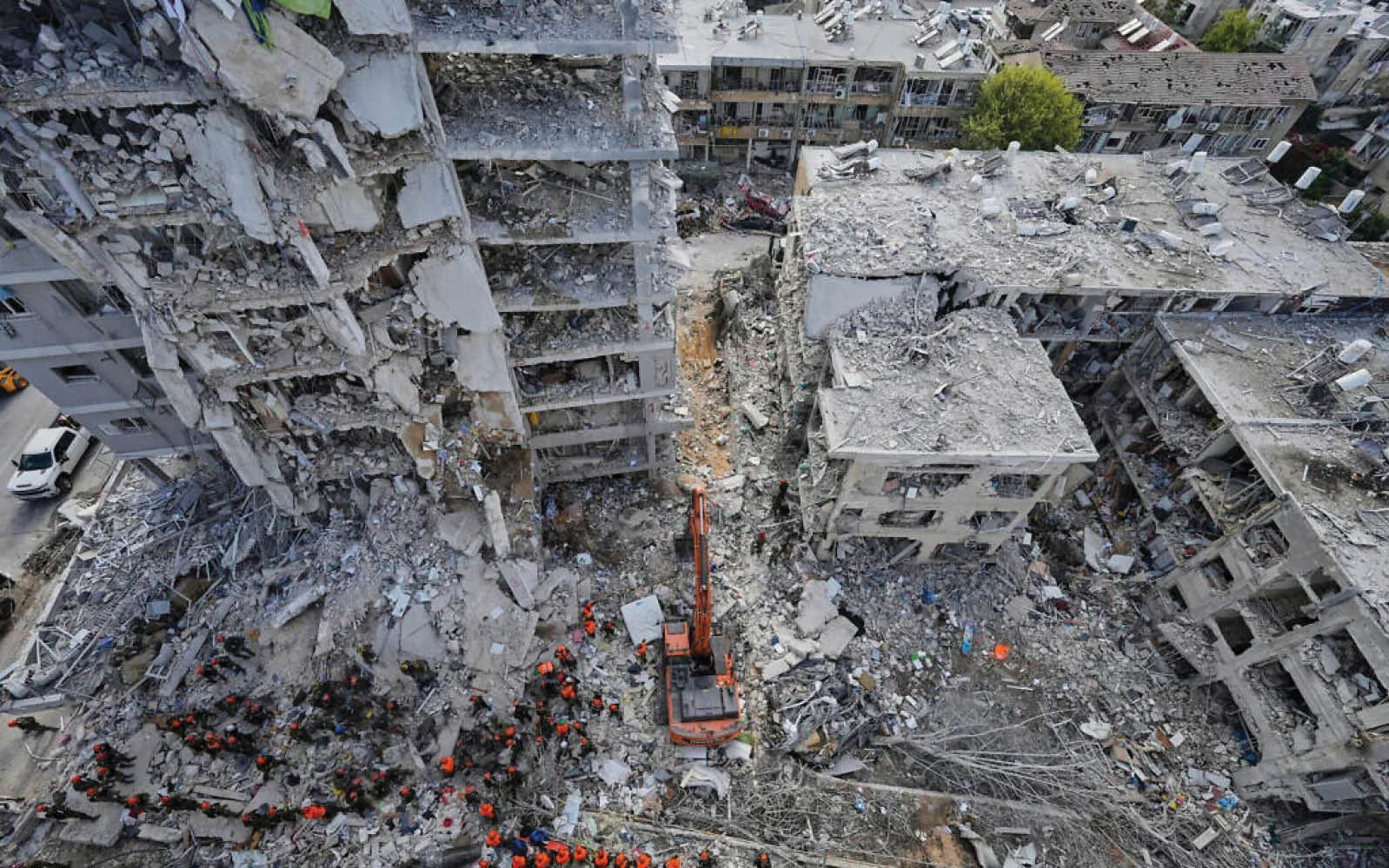
This marks a direct threat to a Gulf neighbor’s civilian infrastructure for the first time in the conflict. Israel has reportedly informed the US that it is running critically low on ballistic missile interceptors due to sustained Iranian barrages, straining systems like Arrow and David’s Sling.
US officials cited in reports note the depletion, though the IDF has pushed back, denying “critically low” levels and claiming lower-than-expected usage so far. Recent Iranian missile attacks triggered alerts across Israel, with limited casualties reported.
A flood of AI-generated fakes about the war is overwhelming platforms like X, despite policy efforts to curb disinformation. Deepfakes include fabricated videos of missile strikes on Tel Aviv, captured US soldiers, ruined cities, and burning embassies—many racking up millions of views.
Tools like Grok have reportedly misverified content or even generated misleading images, complicating truth amid the fog of war.US President Donald Trump has urged allied nations—including the UK, France, Japan, South Korea, China, and others—to deploy warships to secure the Strait of Hormuz, through which ~20% of global oil flows.
Trump emphasized that countries reliant on Gulf oil must help keep the passage “open and safe,” warning of consequences if disrupted further. Iran has threatened to interfere, and attacks on tankers have already occurred, though no major powers have immediately confirmed deployments.
The global economic fallout is severe and expanding. Oil prices have surged dramatically (Brent crude often exceeding $90–$110/barrel peaks), driving up energy costs, inflation risks, and shipping disruptions.
Gulf economies face fractured infrastructure and defense expenses, while broader effects threaten food security (via higher fertilizer prices), supply chains, and potential recession if the Strait remains choked. Analysts warn of uneven but profound shocks, with emerging markets particularly vulnerable.
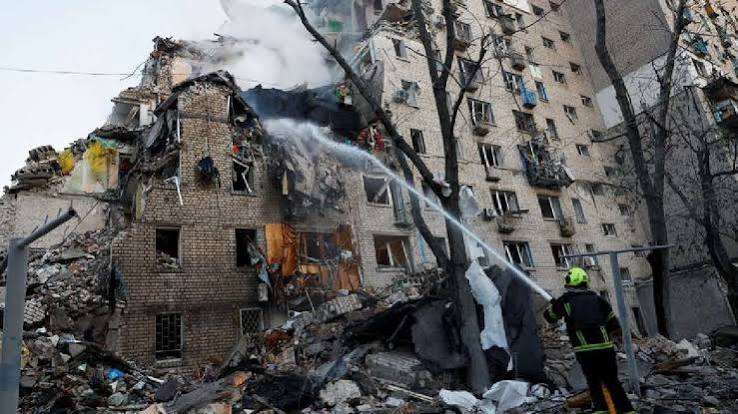
The conflict shows no immediate signs of de-escalation, with fresh US-Israeli strikes reported on Iranian sites (e.g., Isfahan killing at least 15) and Iranian/Lebanese (Hezbollah) retaliations continuing. Mediation efforts appear stalled.