Najm us Saqib
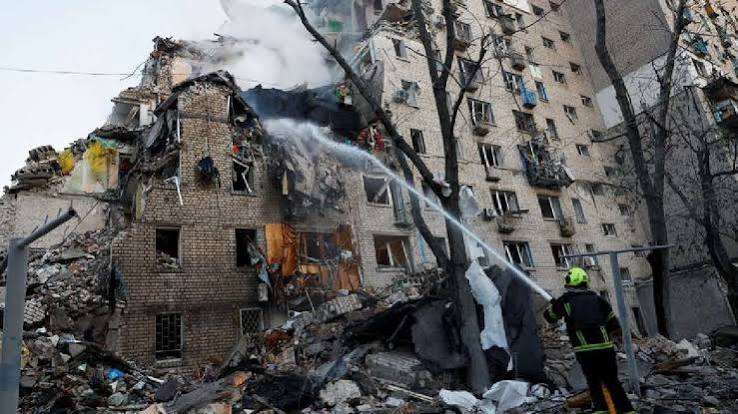
It does not matter whether the United States initiated the ongoing war in the Middle East to achieve Washington’s ‘targets’ at the behest of Israel and its stated objectives of a Greater Israel, or simply to teach post-Shah revolutionary Iran a lesson for all its ‘felonies’ since 1979. It does not matter because the real reason for any war remains inconclusive before, during, and after its prosecution. Similarly, it hardly matters what role the UN Security Council or the great powers played or did not play. That is an academic discussion, one that migrates from one corner to another with ease, leaving more questions than answers. The primary consideration is the aftermath of the conflict and how the international community or states involved address and manage its consequences.
It also does not matter if the US and Israel are fooling the world, and Iran’s apparent upper hand in the war proves to be illusory.
Even ‘big’ events, such as the transformation of the League of Nations into the United Nations, are ultimately absorbed as mere historical milestones. The dissolution of countries in the wake of war is likewise understood and accepted swiftly, as realities impose themselves upon the willing and unwilling alike.
What, then, is important when we speak of war? It is the anxiety, the fears, and the possible aftereffects of war, and, crucially, the actual duration of any conflict. Whether or not Iran’s Kharg Island is decimated or taken over by the US, the current war in the Middle East will be remembered as one of the most senseless and ill-conceived in the history of mankind.
Yesterday: The inevitability of war is a matter of history. However, history offers no eternal wars; it offers only wars whose endings, however delayed or imperfect, eventually arrive. History also shows that wars are decided, managed, and stopped behind closed doors, not on the battlefield, a truth humanity repeatedly fails to acknowledge. Neither international law nor moral argument has ever restrained an aggressor once the decision to wage war is made. War happens when it happens.
Today: Rest assured that the ongoing war will also end, even if the six Russian submarines test their mettle against the US aggression. It is never a matter of how; it is a matter of when. Waged with presumed authority and without a plausible exit strategy, it may not last another month. Who knows if ‘face-saving’ is provided today, the war may conclude forthwith with a worldwide sigh of relief.
Tomorrow: The world will no longer be preoccupied with the partial closure of the Strait of Hormuz. The recent closure will be read alongside past episodes, for instance, when the Strait came under serious threat during the 1980s Tanker War in the Iran–Iraq conflict. A near-total halt reflects Iran’s desperation to employ its ultimate coercive tool, as well as the depth of its resolve to retaliate. Major Takeaways:
In the span of a single year, two major military strikes against Iran reshaped the geopolitical landscape of the Middle East, with the balance of power clearly tilting towards Iran.
The mythical technological and military prowess of Israel stands exposed. Israel, for its part, will have to contend with the ensuing embarrassment. In addition, its military industry will require vigorous canvassing to sell its products. After all, Israel was not untouchable.
With or without President Trump, America’s status as a superpower faces severe scrutiny.
The US has finally grasped that regime change is unattainable against a militarily strong and characteristically resilient nation. The distinction between Iran and Venezuela was never so clear.
The Iranian nation has emerged united, even as it grapples with additional economic burdens. Having endured the fear of direct attack from the US or Israel, Iran now stands steadfast, if not victorious.
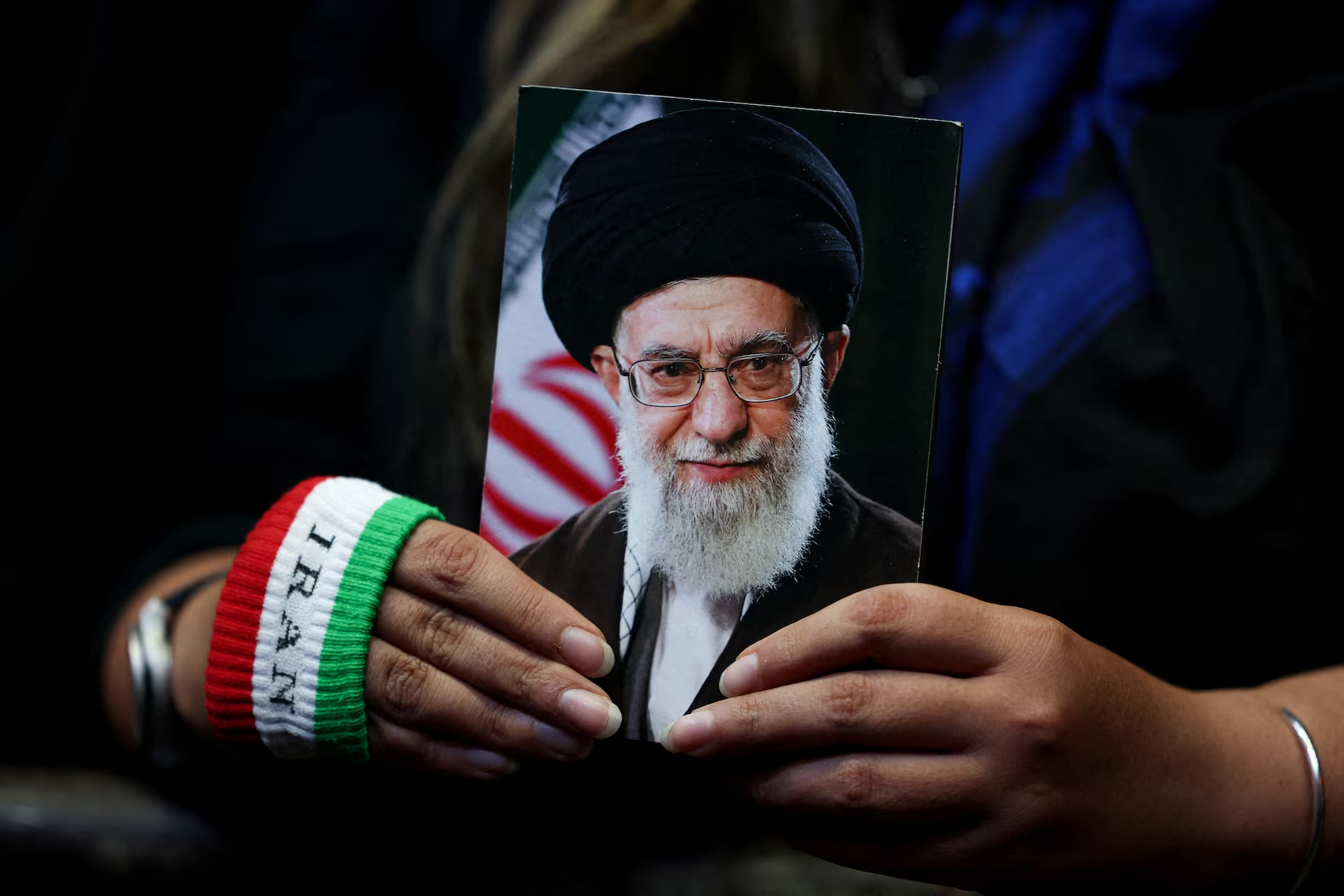
The Iranian Revolution of 1979 has been reinforced. The assassination of the Rahbar or a stalwart like Larijani has not altered this trajectory.
Iran may no longer be constrained by concerns over its ‘peaceful nuclear programme’, the level of uranium enrichment, or the future of the Joint Comprehensive Plan of Action (JCPOA). Clearly, Iran takes its place as a rejuvenated member of the United Nations, but with an upper diplomatic hand in any discussion concerning its nuclear programme or missile capabilities.
The GCC countries’ fears of a ‘wolf’ at the door have become existential. Reliance on Israel as Iran’s military competitor has faded. Hence, they are rethinking their security concerns.
China provided its main competitor with ample food for thought on issues such as Taiwan and the South China Sea while emerging as the decisive factor in any military adventure in the Middle East, all while steadfastly adhering to an economic vision for the world.
Russia stands as the primary beneficiary of the war’s windfall effects. Its oil is now available for purchase by all and sundry, including the ‘bashed’ India. Secondly, no one is any longer concerned with how many years Russia has been a forced guest in Ukraine.
The US loses additional allies in the process. The widening rift between Europe and the US is now palpable across the globe, a division that may culminate in the disintegration of NATO.
To India’s chagrin, Pakistan quietly emerges as an important geopolitical mediator and regional security stabiliser.
Lastly, if President Trump avoids impeachment, the path to governing Washington may prove bumpier than in the days of Nixon or Buchanan. Clearly, the next President will spend his first hundred days in office apologising and attempting to mend fences, particularly with erstwhile allies.
The writer is a former Ambassador of Pakistan and author of eight books in three languages. He can be reached at najmussaqib1960@msn.com
Courtesy