Dr. Riffat Sardar,
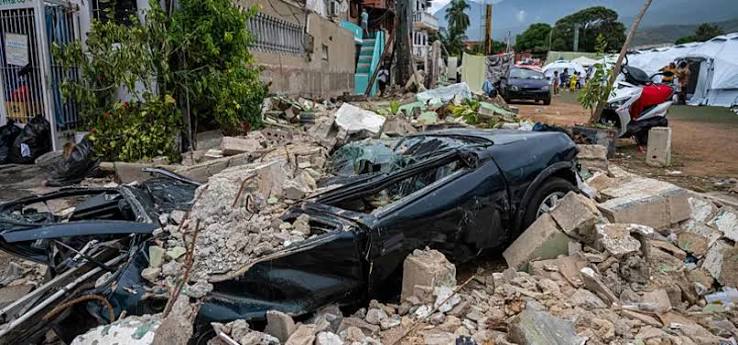
The province of Khyber Pakhtunkhwa is one of the most geographically vulnerable regions of the world where the impact of climate change will be felt more. Already the province has experienced floods, snow storms, land slides, and earth quakes where dozens of people have died. In addition to these natural disasters, the impact is increased when we look at the poverty indicators. Those people living in poverty are at risk of being exposed to environmental hazards. Such communities are more dependent on natural resource-based livelihoods such as agriculture, and have fewer resources to cope with climate impacts.
Women of KP are stakeholders in the preservation of environment and managing climate change. Women are very close to the environment as in the tribal culture the concept of “zan, zar, zamin” (women, gold, and land) have tied together women and land. The reason being that women traditionally cultivated land alongside men, preserved produce, and used fuel wood for cooking, and water for land and domestic reasons. These natural resources were the assets of women, and survival of households depended on the natural environment. With increased urbanization and peoples’ migration to cities due to increased poverty in rural areas, women have become more vulnerable as they are left behind while the men folk move to cities in search of livelihood. This has increased the burden on women as now they are doubly responsible for agricultural tasks as well as domestic chores. Additionally their status as “poor” make them more vulnerable and at risk of exploitation, violence and abuse.
The National Commission on the status of Women with support from UNDP and involvement of KP Commission on the Status of Women is organizing a Consultation on Role of Women in Climate Change on 2nd February 2022 in Peshawar. Participants from the KP Government and civil society will deliberate on the impact of climate change especially on women, and how strategies for reducing global warming can include women. These discussions will help evolve a debate on gender-inclusive climate action in policy planning and formulation. These consultations will facilitate to connect with progressive and inspiring women, who can develop innovative approaches to ensure that climate solutions are designed with a gender perspective in mind. These consultations will equip KP leaders, including civil society members, and human rights activists, with appropriate knowledge and tools to prioritise and drive inclusive climate action.
Chairperson KP Commission on the Status of Women