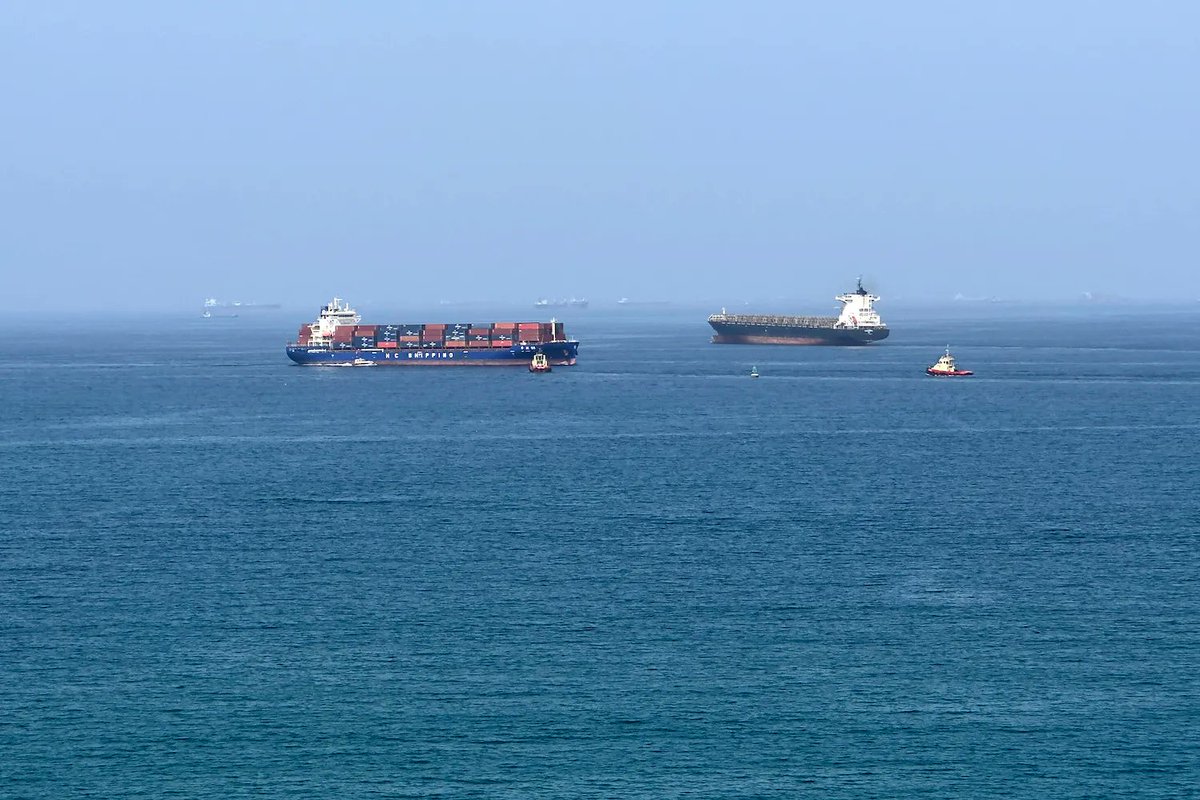
Ramsar Convention had declared 9 wetlands from Pakistan as sites of International importance
JAVED KHAN
PESHAWAR
Today, February 2, is World Wetland Day (WWD). The theme for this year is wetlands Action for People and Nature, highlights the importance of wetlands as a source of freshwater and encourages action to restore them and stop their loss for human and planetary health.
The date marks the day when Ramsar Convention, an international treaty providing framework for the conservation and wise use of wetland and their resources, came into existence in 1971.
The convention derived its name from the Iranian city of Ramsar where its negotiations took place.
Representatives from eighteen governments met to finalize the terms of treaty on February2, 1971 in the Convention on Wetlands of International Importance Especially as Waterfowl Habitat, later renamed the Ramsar Convention.
According to the Ramsar Convention wetlands includes marshes, floodplains, rivers and lakes, mangroves, coral reefs and other marine areas no deeper than 6 meters at low tide, as well as human-made wetlands such as waste-water treatment ponds and reservoirs.
Wetlands are important as they provide shoreline protection by preventing floods, absorb carbon dioxide, improve water quality by acting as a natural filter and house rich aquatic life, which help to maintain ecological balance.
Moreover, Intergovernmental Science-Policy Platform on Biodiversity and Ecosystem Services (IPBES) claimed that wetlands are among the most threatened ecosystems. UNESCO has identified 40 percent of the world’s plant and animal species that live or breed in wetlands.
Wetlands Day official’s day shared that 30 percent of land-based carbon is stored in peat lands and around one billion people depend on wetlands for their livelihoods; and wetlands provide $47 trillion in essential services annually.
There are currently over 2,300 Ramsar Sites around the world, covering over 2.1 million square km.
The status of wetlands in Pakistan
Pakistan signed the Ramsar Convention in 1976.
It was the first global nature conservation signed by the country to address the specific requirements of a single type of ecosystem.
Pakistan is home to 102 wetlands which cover an estimated 780,000 hectare nearly 9.7 percent of the total surface area of the country.
It is important to note here that the Ramsar Convention Bureau has so far recognized only 19 wetlands of Pakistan. Of these two wetlands are located in Khyber Pakhtunkhwa (KP).
According to KP wildlife department Tanda Dame, located in Kohat District, and Thandar Wala in Bannu district have also been recognized by the convention.
The Tanda Dam is a place where migratory birds from Caspian and Siberia stay in winters, while Thandar Wala is also an important spot for wetland bird migration routes.
The Bureau has set a specific criterion for selecting a wetland as part of the recognized sites.
Article 2.2 says: “Wetlands should be selected for the List on account of their international significance in terms of ecology, botany, zoology, limnology or hydrology.”
Being a signatory of the Ramsar Convention, Pakistan has to work to spread awareness for the wise use of wetland habitats and it is also mandatory for the country to adopt strategies to include more sites in the list of Wetlands of International Importance.
It is pertinent to mention here that Pakistan has been ranked globally in the top ten countries most affected by climate change in the past 20 years owing to its geographical location.
Global Climate Risk Index annual report for 2020 pinpointed that the has lost 0.53 percent per unit GDP, suffered economic losses worth US$ 3792.52 million and witnessed 152 extreme weather events from 1999 to 2018.
Moreover, the Asian Development Bank (ADB) analysis shows that the socioeconomic costs of environmental degradation are considerable with climate adaptation needs ranging between $7 billion and $14 billion per year.
However, the federal and provincial governments, being cognizant of the situation, have taken no steps to spread awareness regarding the importance of wetlands and its conservation.