Kashmore Rising
Zaheer Malik
Kandh kot
Kashmore, strategically located at the junction of Sindh, Punjab, and Balochistan, has long been one of Pakistan’s most unique yet underdeveloped districts. Known for its deep tribal roots, cultural diversity, and coexistence of minorities, Kashmore carries both rich traditions and persistent challenges. For years, the region faced neglect in governance, infrastructure, and basic services.
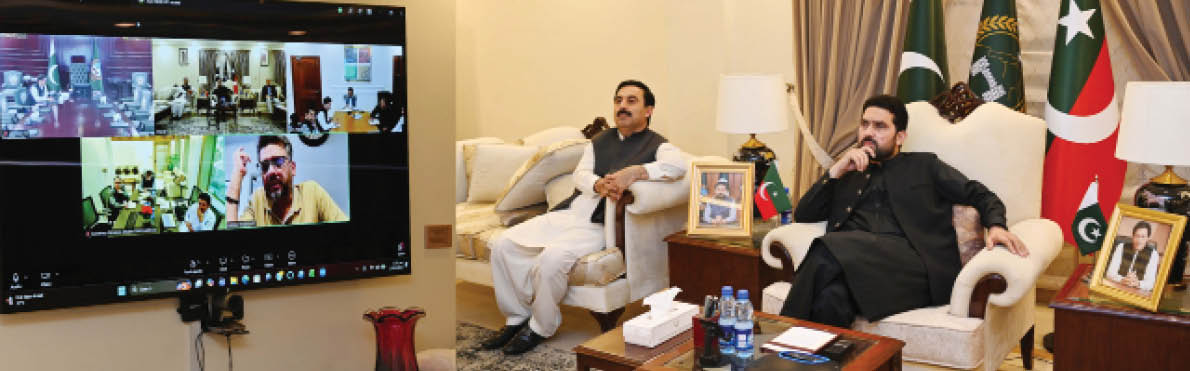
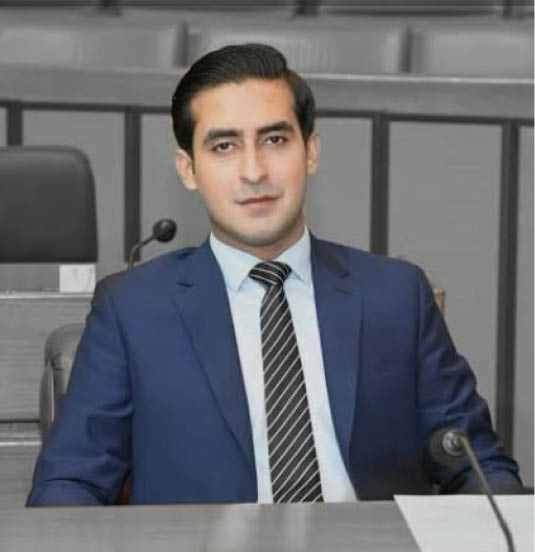
That tide, however, began to turn on 8 February 2024, when the people of the district elected Sardar Ali Jan Mazari—the youngest Member of Parliament from Sindh Province. Ali Jan Mazari is not just another politician he represents a new wave of leadership.
Educated at the University of Edinburgh, Scotland, where he earned both his bachelor’s and master’s degrees, he combines modern education with local understanding.
In less than two years, he has already become a symbol of progress, demonstrating that effective governance lies in action, not rhetoric. One of his administration’s most visible achievements is in infrastructure.
Mega road construction projects are underway across Kashmore, improving connectivity not just within the district but also linking it more effectively with neighboring provinces. For the first time in decades, Kandhkot, the district headquarters, is seeing tangible development.
However roads are being rebuilt and a long-overdue drainage system is under construction to address chronic flooding and sanitation issues. These projects, once seen as impossible, are now progressing rapidly—many even ahead of schedule.
As residents often remark, “Action speaks louder than words.”Hence Healthcare, once among Kashmore’s weakest sectors, has seen dramatic improvement. The district is now integrated into the Sindh Integrated Emergency & Health Services network, providing faster ambulance response, improved hospital care, and modern medical facilities.
For many residents, this marks the first time they have access to reliable and timely health services. Governance systems in Kashmore have also undergone reform. By giving public–private partnerships priority, Mazari has ensured that service delivery is more efficient, sustainable, and less burdened by bureaucracy.
Projects that once stalled in paperwork are now being completed with speed and accountability. Security remains one of the district’s most pressing issues. Positioned at a tri-border, Kashmore has long struggled with the entrenched “Daku Raj” system, a network of organized criminal activity.
While law and order have begun to improve gradually, Mazari emphasizes that true progress requires federal government assistance and uniform enforcement across Sindh, Punjab, and Balochistan.
Only coordinated action, he argues, can fully eradicate this decades-old menace. Beyond roads and governance, community well-being is also being prioritized. The newly inaugurated Kashmore Park, developed with proper planning, has quickly become a gathering place for families, symbolizing a shift toward a healthier and more inclusive public life. Education is also central to his vision, with modernization of schools underway to prepare youth for future opportunities.
Ali Jan Mazari’s leadership also reflects continuity. His father, Sardar Saleem Jan Mazari, served as MNA and held multiple ministries in Sindh, remembered for his service and influence.
The younger Mazari frequently reminds people of this heritage, but at the same time, he is carving his own independent path. His approach is marked by transparency, efficiency, and youth engagement—qualities that resonate strongly with today’s generation.
To the people of Kashmore, Sardar Ali Jan Mazari is more than an elected representative. For the district’s younger generation, he is a symbol of hope and renewal.
His energy, modern outlook, and ability to deliver results are changing perceptions of what politics can achieve. In a district once overlooked, roads are being built, healthcare is improving, governance is becoming efficient, and community spaces are flourishing.
The journey is far from over, and challenges remain—but Kashmore’s people are witnessing something rare: visible, meaningful progress within a short span of time.
With Ali Jan Mazari at the helm, Kashmore is no longer defined by neglect. Instead, it is emerging as a model of how young leadership, backed by vision and action, can transform even the most forgotten corners of Sindh.