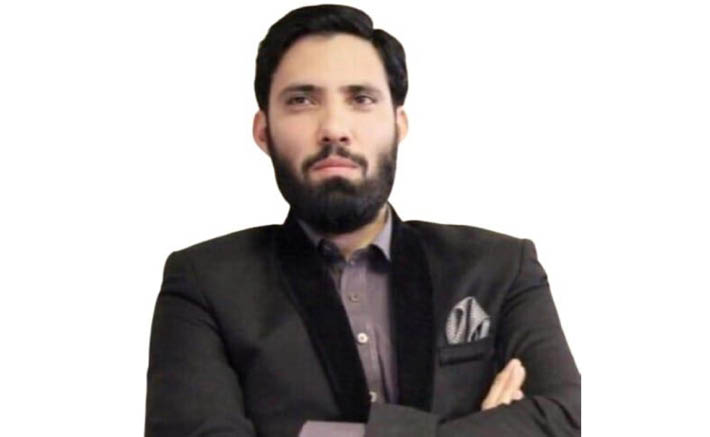
Baseer Ali Rahman Khan
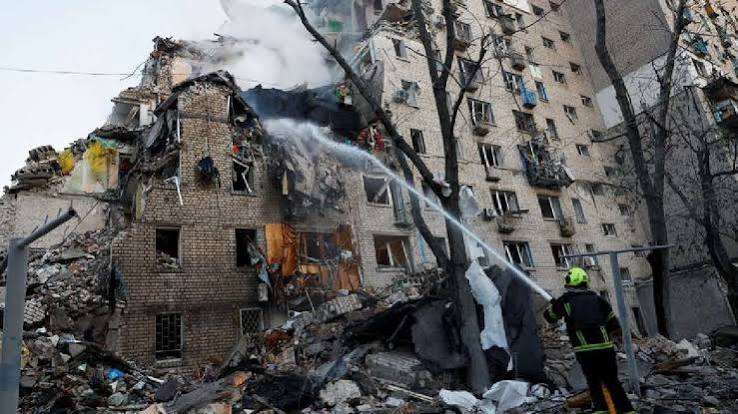
The state of our planet often feels like a hard nut to crack. Forests are disappearing, rivers are running out and entire communities are facing the wrath of an unpredictable climate change. Pakistan, in particular, is no stranger to these challenges—devastating floods, scorching heatwaves and rapidly melting glaciers paint a grim picture. Faced with such a tough battle, it’s easy to feel like a drop in the ocean—helpless, frustrated, and exhausted. But what if, instead of sinking into despair, we turned these emotions into a driving force for change?
A Fork in the Road: A Personal Awakening
When I first started studying environmental issues, it felt like staring into the abyss. Learning about the impact of climate change on Pakistan—the encroaching deserts, the receding Indus River, and the displacement of millions—left me feeling paralyzed. The more I understood, the more I felt like a deer caught in headlights, unable to move forward. That changed when I studied the mountains of Gilgit-Baltistan and Chitral in the northern region of the province, where I met locals directly impacted by glacial melt yet still resilient and hopeful—transforming my perspective. Instead of bottling up my emotions, I engaged in open conversations about climate anxiety. That experience was a lightbulb moment: perhaps psychology could be the missing piece in climate action. Could understanding our emotions help us fight this crisis more effectively?
The Psychology Behind Climate Action
Returning from that trip into the Northern range, I pivoted my focus toward clinical psychology, exploring how grief, fear, and resilience shape human behavior. One thing became clear—climate discussions often ask, “Why aren’t we doing more?” but rarely examine how people mentally process a crisis of this magnitude. To tackle climate change, we must first understand the human mind.
Here are three psychological insights that can help us respond more effectively:
1. The Window of Tolerance: Why Overwhelm Leads to Inaction
Dr. Dan Siegel’s “window of tolerance” concept, rooted in neuroscience and psychology, describes the ideal emotional and physiological state for effectively managing stress, processing emotions, and making decisions. Within this window, we can think clearly and respond thoughtfully. However, when overwhelming challenges—such as relentless floods, unpredictable monsoons, or suffocating smog—push us beyond our limits, we may either shut down in despair or seek false comfort. The constant stream of distressing news can further push individuals out of this balanced state, making action feel impossible. Understanding this concept allows us to build resilience and remain engaged without succumbing to burnout.
2. The Double Bind: Stuck Between Care and Powerlessness
Many Pakistanis deeply care about climate change but feel like a cog in the machine—too small to make a real difference. At the same time, they fear that large-scale policy shifts, like phasing out fossil fuels, might worsen economic hardships. This creates a psychological double bind: caring but feeling powerless. When people feel stuck, they disengage—not out of apathy, but out of exhaustion.
Consider Pakistan’s struggle with sustainable energy. While there’s a strong push for renewables, communities reliant on coal and gas fear job losses. This mirrors the global dilemma: the desire for progress tempered by the fear of its consequences. Instead of swinging between doomsday warnings and blind optimism, we must acknowledge these fears while guiding people toward practical, manageable solutions.
3. Attunement: Meeting People Where They Are
A skilled therapist doesn’t force change but builds trust first. The same principle applies to climate conversations. Instead of shaming people into action or dismissing their doubts, we must create dialogues that validate concerns while steering them toward solutions.
A great example is Pakistan’s local water conservation initiatives. By collaborating with farmers and incorporating indigenous water management techniques, experts have found ways to conserve resources without disrupting livelihoods. This approach fosters a sense of ownership and empowerment, making change feel less like a foreign imposition and more like a shared mission.
Turning Climate Anxiety into Action
These psychological tools aren’t just for therapists—they’re for all of us.
• Self-awareness: Instead of suppressing climate anxiety, acknowledge it. It’s okay to feel overwhelmed.
• Supportive dialogue: Create spaces where people can voice their fears without judgment.
• Authentic leadership: Leaders must admit uncertainties while committing to action. Saying, “We don’t have all the answers, but we’re in this together” is far more powerful than empty reassurances.
The silver lining? We already have the resilience, adaptability, and ingenuity needed to tackle this crisis. What we need now is to foster the right conditions—together.
So take a deep breath. Let’s extend compassion to ourselves and each other. The road ahead won’t be easy, but we don’t have to walk it alone. Pakistan is ready for change. And we have what it takes to make it happen.
The author is a Provincial Management Service (PMS) officer of BS-19, serving in Khyber Pakhtunkhwa.