ISLAMABAD
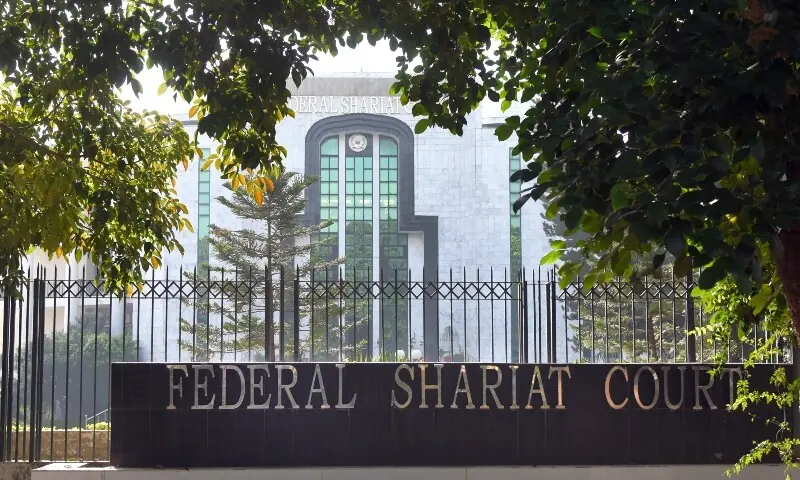
The Federal Constitutional Court of Pakistan has released a detailed written judgment in dozens of tax-related civil appeals, constitutional petitions, and transfer cases, issuing key directions on their disposal and further legal proceedings. Some cases have been concluded, while several tax references have been remanded to the relevant high courts for decisions in accordance with the law. The cases were heard by a three-member bench headed by Chief Justice of the Federal Constitutional Court, Justice Ameenuddin Khan, along with Justice Syed Hassan Azhar Rizvi and Justice Arshad Hussain Shah.
The hearing took place on January 27, 2026. The written decision states that senior counsel Makhdoom Ali Khan, representing the taxpayers, completed his arguments, while other lawyers submitted written submissions, which were made part of the official court record. The court also ordered that CPLA No. 724-K/2022 be separated from the remaining matters (de-clubbed) and fixed for independent hearing.
In its ruling, the court referred multiple tax references back to the Peshawar High Court for adjudication. The associated transfer cases were disposed of accordingly. The cases before the Federal Constitutional Court included civil appeals filed by several major companies and individuals, such as DG Khan Cement, Maple Leaf Cement, Ibrahim Fibres, Habib Rafiq (Private) Limited, Saif Holdings Limited, OPPO Mobile Technologies, Engro Corporation, Atlas Honda, National Investment Trust, Nishat (Chunian) Limited, Daewoo Pakistan Express Bus Service, Kohat Cement, Qarshi Industries, WorldCall Telecom, Colgate-Palmolive, B Energy Limited, and others.
These appeals challenged various judgments of the Lahore High Court, Sindh High Court, and Peshawar High Court, contesting tax measures and notices issued by the Federal Board of Revenue (FBR), the Ministry of Finance, and the federal government. The court emphasized that all decisions in these matters were made in accordance with the Constitution and the law. A short order in the cases had already been issued on the same day as the hearing. — DNA