GENEVA
In a landmark statement released this week, the World Trade Organization (WTO) emphasized the rising importance of quality management systems as a driver of fair competition and sustainable global trade. At the heart of this reform is the internationally recognized ISO 9001 standard, which the WTO highlights as a critical framework for ensuring transparency, compliance, and trust in cross-border commerce.
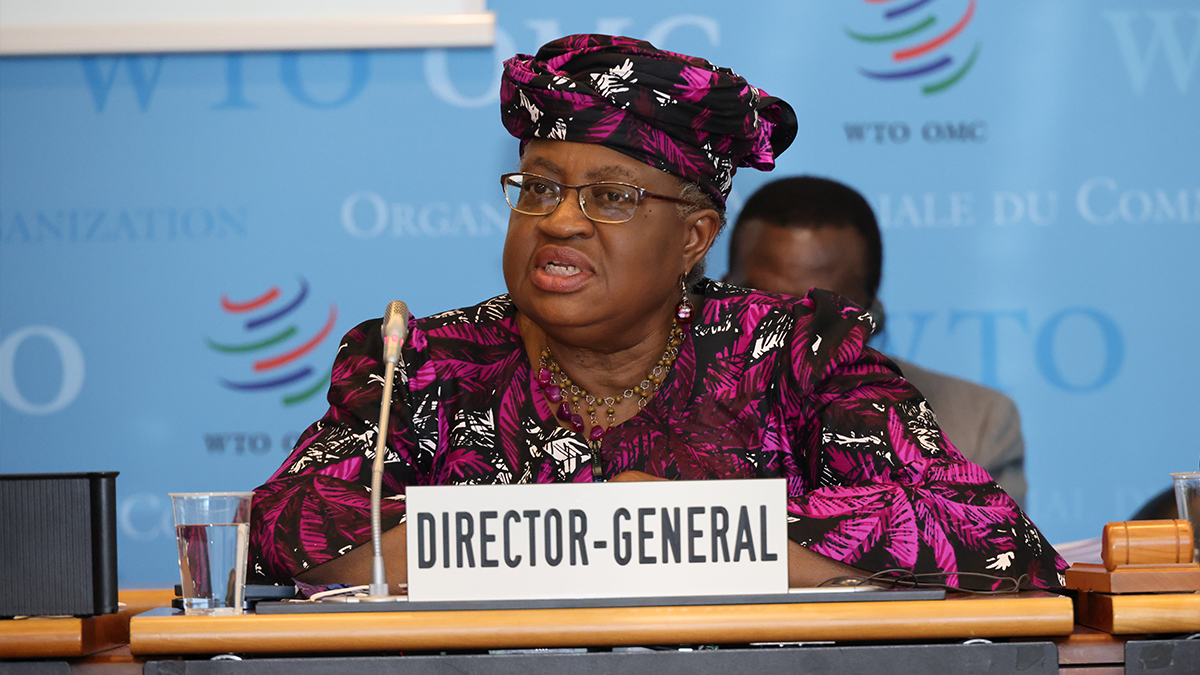
With global supply chains still recovering from pandemic-era disruptions and geopolitical tensions, the WTO is pushing member nations to harmonize quality protocols and reduce trade friction by adopting standardized management systems. “A quality-first approach to trade is no longer optional. ISO 9001 provides a scalable and universal framework for businesses to align with international expectations,” said WTO Director-General Ngozi Okonjo-Iweala during a summit on regulatory convergence in Geneva.
In an interconnected marketplace, where goods and services move rapidly across borders, quality inconsistencies often lead to disputes, delays, and increased costs. A 2024 WTO report estimated that non-tariff barriers related to quality and conformity issues cost developing nations up to $400 billion annually in lost trade opportunities. ISO 9001, the globally adopted Quality Management System (QMS) standard developed by the International Organization for Standardization (ISO), provides a common language for quality assurance.
It defines principles like customer focus, risk-based thinking, process standardization, and continuous improvement—all essential for organizations participating in international trade.
Unlike technical product standards that vary by country or sector, ISO 9001 is universally applicable. Whether you’re exporting textiles from Pakistan, software from India, or precision parts from Germany, ISO 9001 certification signals to buyers that your systems are capable of consistently delivering quality.
“Our clients in Europe and the U.S. now require ISO 9001 certification as a baseline,” said Rashid Khan, CEO of a logistics firm in Karachi. “It has become a passport for serious exporters.” This aligns with WTO’s push for “regulatory interoperability”—ensuring that different national standards and procedures can work together without hindering the flow of goods. The WTO’s guidance outlines several benefits of ISO 9001 adoption for member nations and businesses:
• Reduced inspection times and customs clearance delays
• Lower rejection rates of export goods due to non-compliance
• Greater access to international procurement markets
• Improved domestic product quality and safety standards
According to the WTO, ISO-certified companies are 31% more likely to secure export contracts and 40% more resilient during supply chain disruptions.
The WTO is working with national standardization bodies, including UNIDO, ISO, and regional trade blocs, to provide technical assistance to developing countries. Efforts include:
• Funding for ISO 9001 training programs in SMEs
• Accreditation support for certification bodies in least-developed countries
• Streamlining mutual recognition agreements (MRAs) on ISO-compliant audits
These measures aim to level the playing field, enabling smaller firms in developing economies to compete on quality—not just cost.
While the WTO strongly supports ISO 9001, it acknowledges that implementation can be difficult, especially for small exporters. Challenges include:
• High certification and audit costs
• Limited local access to accredited consultants
• Resistance to documentation and process formalization
To address this, the WTO is urging governments to incorporate QMS funding incentives, such as tax rebates or grant programs for first-time ISO certifications.
The WTO’s focus on quality management marks a strategic shift away from tariffs toward systemic competitiveness. Instead of just negotiating lower taxes on goods, the conversation now includes how those goods are made, and whether systems behind their production meet global expectations.
As cross-border trade increasingly depends on trust, traceability, and compliance, ISO 9001 is becoming the gold standard for assuring stakeholders of a company’s operational discipline.
As the global economy becomes more integrated yet more complex, quality management is emerging as a cornerstone of sustainable trade. With the WTO endorsing ISO 9001 as a tool for fairness and growth, businesses that prioritize quality today will be better positioned to access global markets tomorrow.
In the words of the WTO Director-General:“Quality management is the new trade infrastructure—unseen, but essential.”