PESHAWAR
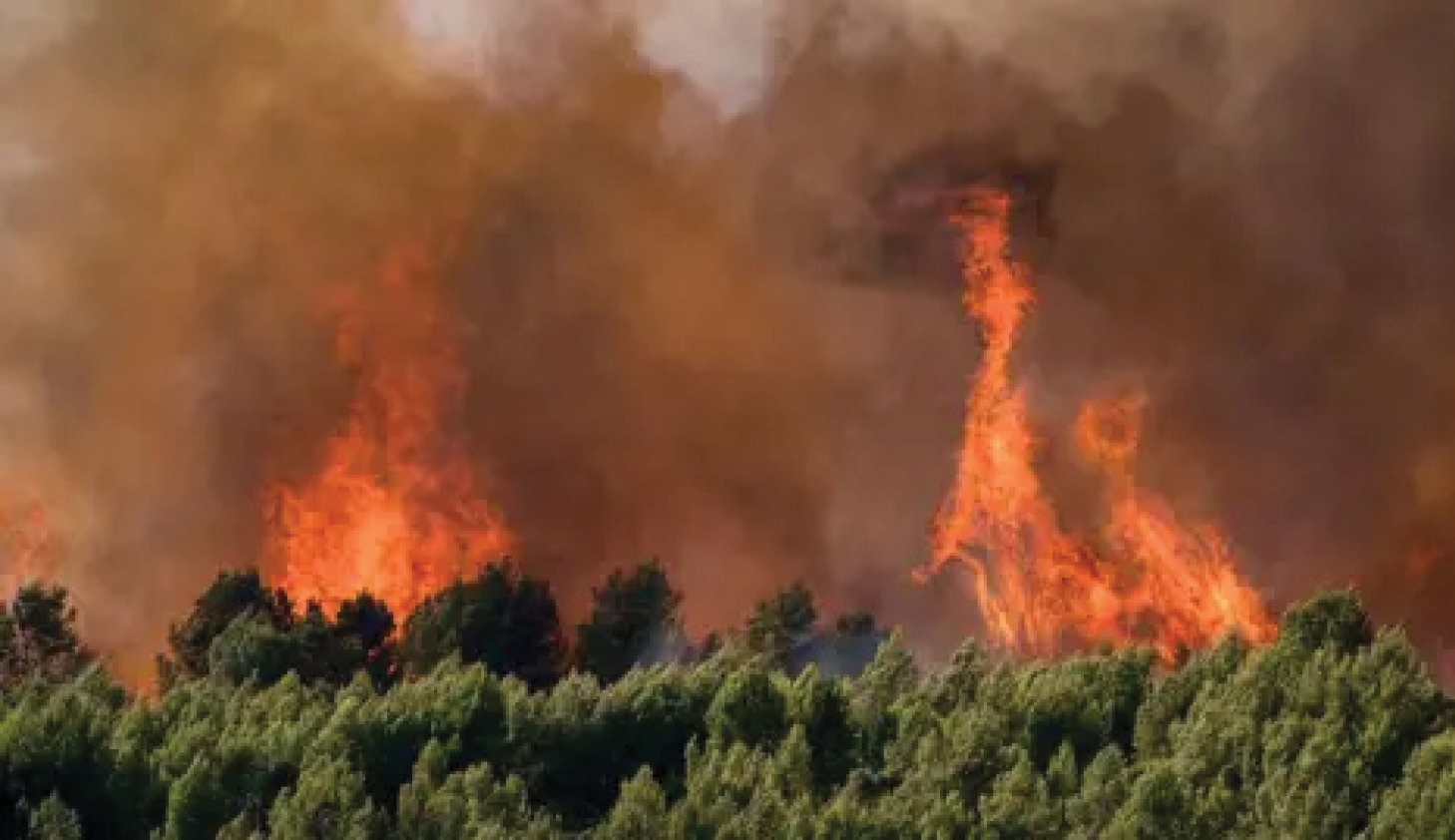
The world faces dual emergencies of human-induced climate change and biodiversity loss, threatening the well-being of future and current generations, said a report of WWF’s Living Planet Report (LPR) 2022.
The report also urged governments, businesses and the public to take transformative action to reverse the destruction of biodiversity. Wildlife including mammals, birds, amphibians, reptiles and fish are faced with a devastating 69 percent drop on average since 1970 and WWF is extremely concerned about this trend given that tropical regions that have most biodiversity in the world are facing plummeting wildlife population said the report.
Hammad Naqi Khan, Director General WWF Pakistan said that Pakistan is home to magnificent wildlife, some of which is threatened and endangered, including the snow leopard and common leopard, the Indus River dolphin, White-backed vulture and Long-billed vulture, and Arabian Sea humpback whale, among others.
He said we should undertake collaborative efforts to protect wildlife habitat, address the issue of illegal wildlife trade and restore our fragile ecosystems. He said that country experienced unprecedented monsoon rains and floods this year in which more than 1,500 people died and millions were displaced. He attributed the scale of floods and preceding heat wave to climate change, adding that Pakistan is becoming increasingly vulnerable to climate induced disasters.
He added that climate change is also fueling biodiversity loss with decline in species’ populations which will impact entire ecosystems, and ultimately our future generations. “The reports shocking figures highlight the interlinked climate and biodiversity crises”.