PESHAWAR
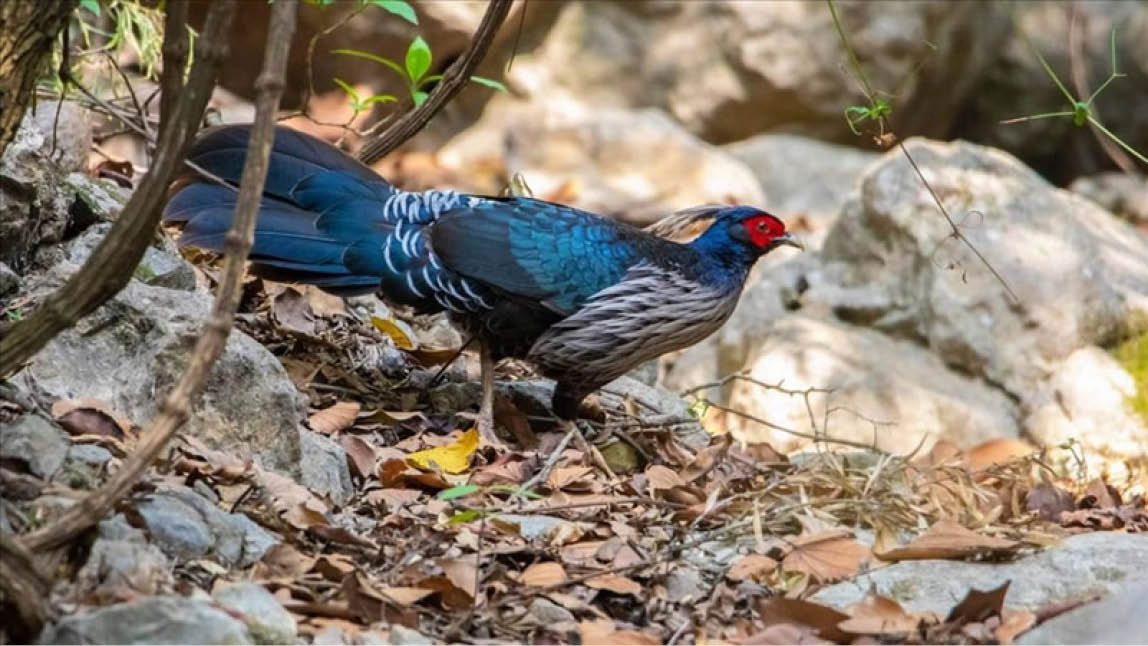
A dedicated and passionate wildlife conservationist from Khyber Pakhtunkhwa has achieved a remarkable milestone of successfully raising a pair of rare Koklass pheasant in captivity with primary goal of studying breeding ecology and reintroduction of the unique and stunning wild bird.
Mohibullah Naveed, a young wildlife conservationist from Haripur district, wanted to utilize the initiative of captive growing of Koklass pheasant for breeding purpose and for reintroduction of birds in regions from where it has become extinct.
Known for its striking beauty and elusive nature, Koklass pheasant is a medium-sized bird confined to high altitude forests from Afghanistan to central Nepal, and in northeastern Tibet to northern and eastern China.
In Khyber Pakhtunkhwa, Koklass pheasants are found in different forests at Kohistan, Hazara, Gilgit Baltistan, AJK, Galliyat.
Upper parts of male koklass pheasant are covered with silver-grey plumage streaked velvety-black down the centre of each feather, and it has the unique feature of a black head, chestnut breast and prominent white patches on the sides of neck.
“This is the first time that growing of Koklass pheasant in captivity is achieved in Pakistan and would contribute valuable insights to its conservation,” claims Mohibullah.
Talking to APP, the young wildlife preservationist informed that he got a chance of purchasing eight eggs of Koklass from a Bukkarwal (a member of goat rearing pastoral community) during his research based field visit in forest.
After collecting the eggs, he placed them in an incubator, successfully hatching all of them into eight chicks of the rare bird species.
Since Koklass chicks were being raised in captivity for the first time, a lack of knowledge about their feeding habits led to the loss of six chicks. However, two survived and have now grown into healthy adult birds, Mohib told APP.
After researching online, I found that Koklass chicks thrive on a high-protein diet consisting of green forage, insects, larvae, and other protein-rich sources, he added.
He informed that several attempts by Wildlife Department of Khyber Pakhtunkhwa with support from World Pheasants Association for Ex-Situ conservation of Koklass pheasant through breeding of chicks in captivity were made but results were not successful due to lack of expertise and knowledge about feeding requirement of the bird.
“This captive breeding program for Koklass pheasants in Haripur offer students a valuable opportunity to study the birds’ behavior, habitat, and susceptibility to various avian diseases,” he added.
With the captive Koklass pheasant pair now a year old, Mohibullah expects them to lay eggs in April. He hopes to expand captive breeding efforts and eventually reintroduce the birds into their native habitats, restoring populations in areas where they have disappeared.
He said by following Ex-Situ conservation protocols, wild species grown up in captive breeding can be released in wild.
In the same manner Pakistan has successfully reintroduced Cheer pheasant which had become extinct in most part of the country due to excessive hunting, poaching and habitat loss, he disclosed.
Expressing optimism, Mohibullah stated that his initiative will not only contributes to the conservation of this rare bird but also lay the groundwork for future research and protection efforts.