Afghans return homecountry amid uncertainty
Ashrafuddin Pirzada
LANDIKOTAL
As Afghan nationals return to Afghanistan under Pakistan’s repatriation drive, Pakistani women like Sadia Bibi, married to Afghan citizens, fear their families would be compelled apart after their Afghan husbands received notices to leave the country.
For a 32-year-old Pakistani national Sadia Bibi, the government’s ongoing repatriation drive has turned family life into an heartbreaking dilemma fir all men and women married to Afghan nationals.
Married to an Afghan national for the past 10 years, Sadia is the mother of three children who born in a Pakistani family and have legal Pakistani documents. Her Afghan husband, however, has received a notice ordering him to leave the country.
“If my husband is forced to leave Pakistan, I couldn’t go with him because i have no Afghan legal citizenship documents to live there, as Afghanistan is no longer home for me and my children. I am afraid of starting life there.”Sadi Bibi with tears in her eyes said.
Sadia’s story reflects the growing uncertainty facing hundreds of Pakistani women married to Afghan nationals and a large number of Afghan girls married with Pakistani men, many of whom now fear family separation or relocation to a country they barely know.
According to the UN refugee agency (UNHCR), around 150,000 Afghans have returned to Afghanistan in the past few weeks, while nearly 2.5 million have left Pakistan since the government launched its repatriation drive in late 2023.
Among those waiting at transit camp to leave for Afghanistan was Haji Nasir,62, a cosmetics shopkeeper in Board Bazaar Peshawar, originally from Afghanistan’s Nangarhar province. He said his family has lived in Pakistan for four decades.
“Our third generation was born in Pakistan and my children do not even know where our ancestral village is in Afghanistan or who their relatives are. Pakistan is the only home they have ever known.”Nasir said.He said situation in Afghanistan was not stable both economically and socially. He said peace was also at stake for them in Afghanistan but due to tense situation between the two Muslim neighbouring countries they had to leave Pakistan.
For many young Afghans girls and boys, deportation has also disrupted education and future aspirations.
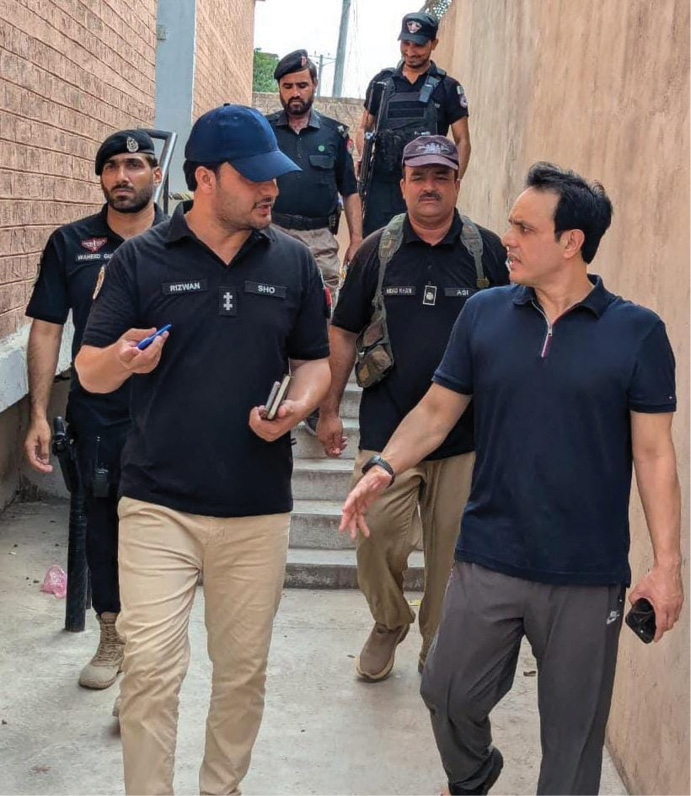
Waheed Agha 22, a political science student at the University said he was detained by police while visiting a market in Peshawar and transferred to the Landikotal transit camp for deportation.
“I wanted to complete my education in Pakistan and then serve my country, Afghanistan,” he said. “Instead, I am being sent back with nothing.” His companion, Sultan Safi,20, said his family only learned of his arrest two days later.
“My parents, siblings and other relatives are still in Pakistan, while I am being deported alone,” he said. “When I reach Afghanistan, I will have no home, no close family and nowhere to live except perhaps a refugee camp.”
Despite the uncertainty, both young men said they hoped to obtain visas one day and return legally to Pakistan to continue their studies and rebuild their lives.
Saifur rehman Mohmand,40, a businessman, said police detained him in Nowshera city and his two sons days before.He said they were not given time to wind up their clothing business.
“Our shop and merchandise worth millions of rupees are still there, If we had been given a few more days, we could have sold everything and left with dignity.”Mohmand said.
Instead, he now faces an uncertain future in Afghanistan,he said.
“I have no business, no house and no source of income there. I will try every legal way possible to return to Pakistan because my children’s education and our livelihood depend on it,” he said.
Moinullah,30, originally from Bati Kot district in Nangarhar, said he had decided to return voluntarily after concluding that Afghans would no longer be allowed to remain in Pakistan.
“I was born in Pakistan and studied in Peshawar, i don’t know what work I will do in Afghanistan because I have neither a house nor close relatives there.”Moun remarked.
For now, he said, his wife and two children would live in a tent settlement un Afghanistan until they could determine whether any ancestral land remained in their village.”If we can reclaim our family land, we will slowly build a small house,” he said quietly.
The humanitarian challenges awaiting were significant for returnees having no enough money in hands and no other life facilities at home country. Many families said they returning without homes, jobs or savings in Afghanstan. Those who left Afghanistan decades ago often have no surviving relatives, making reintegration difficult.
Returnees also face limited employment opportunities, pressure on health and education services, housing shortages and the challenge of rebuilding lives in a country still struggling with widespread poverty,uncertainty and humanitarian needs.
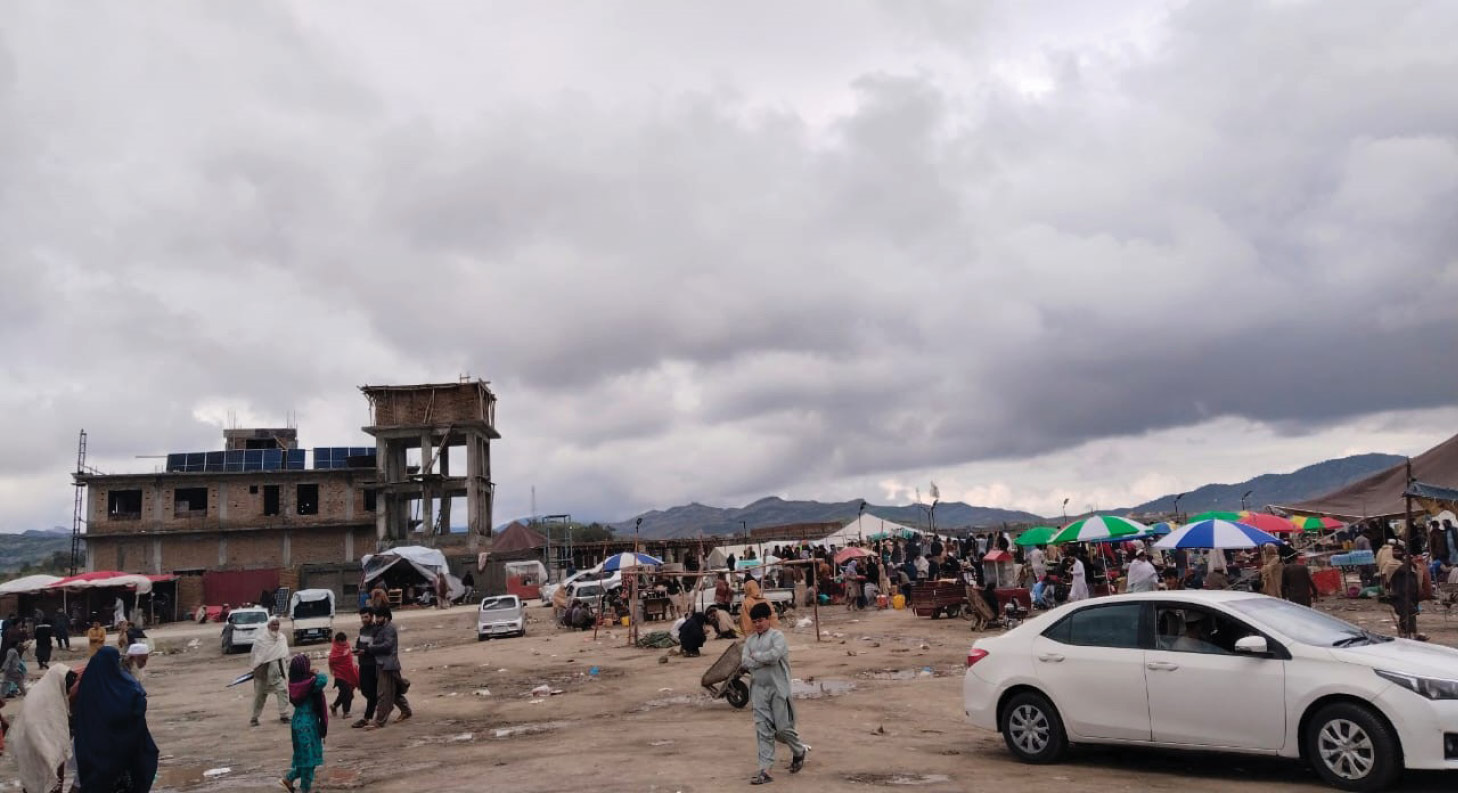
At the overcrowded Landikotal transit camp, assistant commissioner Inamullah Khan Wazir said authorities were struggling to cope with the influx.
“Nearly 5,000 Afghan nationals arrive at the camp daily, while the facility has the capacity to accommodate only about 2,500 people,” he said.
The official said the administration, in coordination with other government departments, had established a monitoring mechanism to provide clean drinking water, food, medicines,shelter, transportation to Torkham and other essential services.
“The pressure on the camp continues because Afghan nationals were arriving from different districts and provinces across Pakistan,” he added.
Fifty-year-old Shukrullah Khadim, who arrived from Charsadda with his family, waited for hours under the scorching sun.
“My children are exhausted from the heat, the large number of returnees has slowed the repatriation process”, he said. He said they were leaving Pakistan with sweet memories of being respected and helped by Pakistani citizens for fourty years. He added that they would keep Pakistan and its citizens in their prayers.
Thousands of Afghan nationals, many of them women and children, continue to pass through the Landikotal transit camp every day. Several families have already been split, with some members remaining in Pakistan while others were deported.
Pakistani officials maintain that the repatriation campaign is being implemented in accordance with the government’s policy to return undocumented foreigners to their home country. The federal government said the process was aimed at enforcing immigration laws, strengthening national security and ensuring that only individuals possessing valid visas or legal residence documents remain in Pakistan. Officials have repeatedly stated that documented refugees registered with the relevant authorities continue to be treated in accordance with Pakistan’s commitments and applicable legal frameworks.
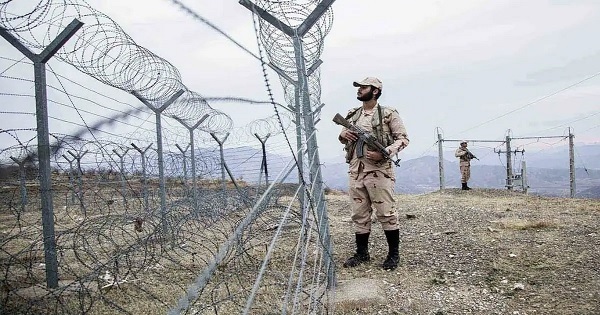
For many families boarding towards Torkham, however, the journey was not simply a return home. It was the beginning of an uncertain future in a country many have never truly known.
Driver of a truck, Ahmad Shinwari, said that they were happy with the Afghan returnees and have had no issue with them. He said they transport Afghan citizens to their destinations in Afghanistan but on the the way back to Pakistan they wait for days and weeks to enter Pakistan. He said truck drivers and their helpers have proper documents but due to restrictions on the border they had to wait at Torkham border for long days.