Commissioner Kohat orders action against Principal GHS Jalka Mela including 3 teachers, a Doctor including 3 technical staff of a BHU of Orakzai
Kohat
Commissioner Kohat Division Syed Motasim Billah Shah has under the Chief Minister Khyber Pakhtunkhwa’s Program “Awami Agenda”, paid a detailed visit to Tribal District Orakzai to review implementation of various activities under the said “Awami Agenda”.
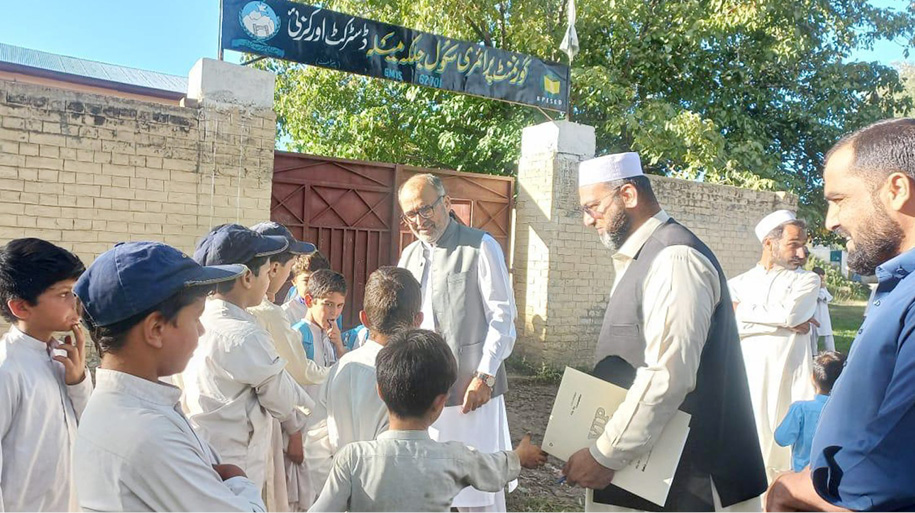
Commissioner Kohat during his surprise visit to Mishti Mela Type “C” Hospital appreciated the standard and overall working particularly the doctors dedication to work and cleanliness and termed it to be a model for other hospitals. On this occasion, he also ordered disciplinary action against the Principal of Government High School Jalka Mela along with 3 Teachers and a Doctor including 3 Technical Staff of a BHU for absence under the Chief Minister “Awami Agenda”.
Commissioner Kohat, in his surprise visit to Type “D” Hospital Kalaya at around 11: pm on Saturday night, check the attendance and cleanliness and was found to be better but it was emphasized to make further improvements. He directed to ensure lighting arrangements in necessary places within 2 days in the Hospital.
Similarly, the Commissioner Kohat also inspected many Government Schools, Technical College, Government College, Hospitals, Animal Husbandry and ongoing construction works at many places on Saturday.
Motasim Billah praised the performance of District Administration and TMAs on overall cleanliness condition in Bazaars and for the execution of various activities under “Awami Agenda”.
Meanwhile, Commissioner Kohat also visited a remote area Technical College in Orakzai, where necessary machinery and equipments have been provided to the college. He directed the Principal and Teaching Staff to make immediate contacts with the Heads of all Government and Private Schools to attract maximum students for technical skills and training. Special emphasis has been made on promoting technical skills in tribal districts and improving the efficiency of government institutions in the “Awami Agenda”, he concluded.